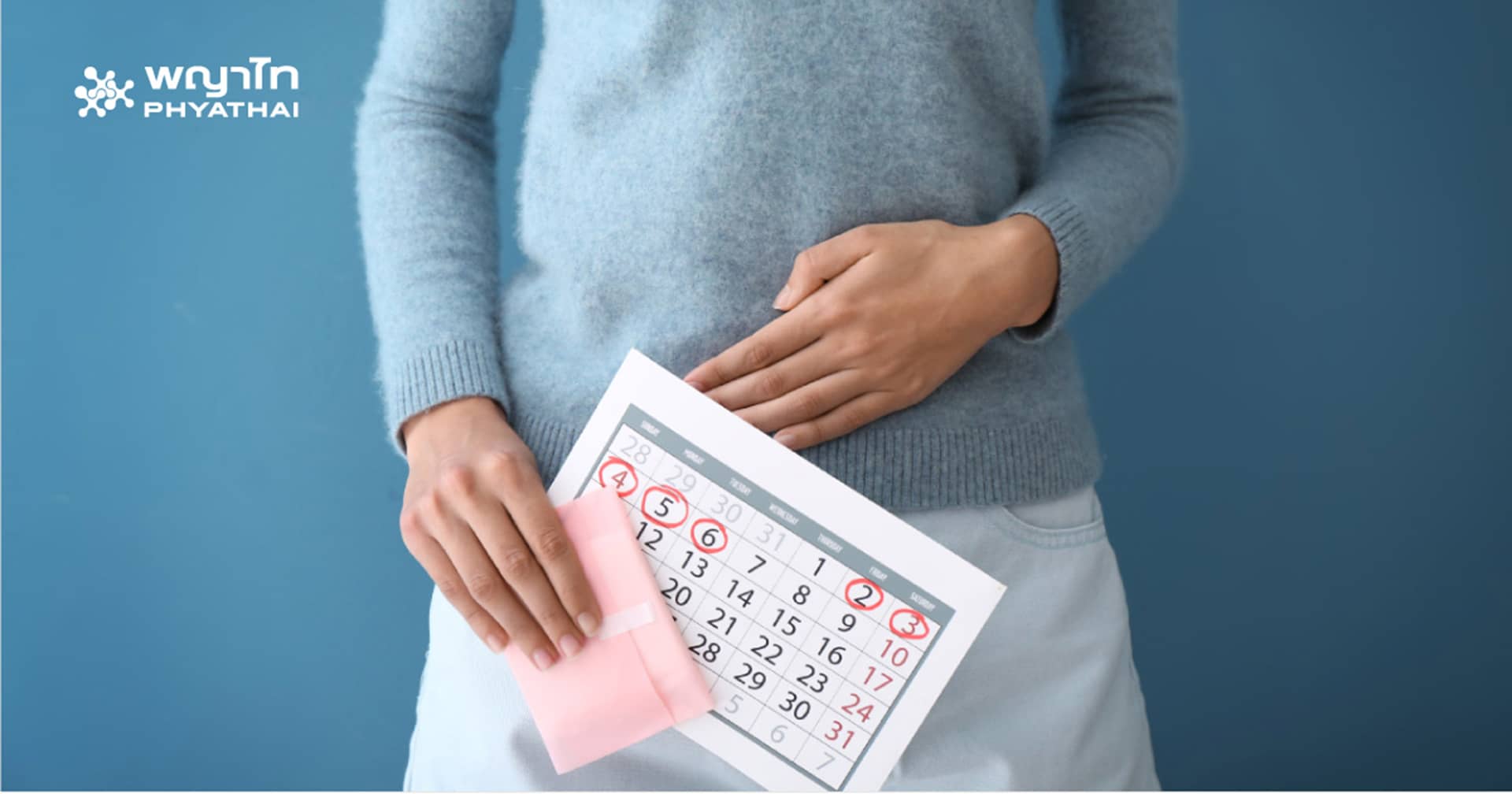
Lower abdominal or pelvic pain during menstruation (Menstrual Pain/ Dysmenorrhea) often occurs regularly just before the period starts or during menstruation. Some experience severe pain accompanied by fever. The pain may be throbbing or cramping, and the intensity can vary. Most of these symptoms usually last for 2-3 days.
Those who have experienced menstrual cramps know how painful it can be. Therefore, we recommend ways to relieve menstrual pain for women to use, divided into self-care methods and medical treatments, as detailed below.
- Start with self-care During that time of the month, those who feel menstrual cramps can take care of themselves to alleviate the symptoms by placing a hot water bag or applying heat to the lower abdomen. Many may also experience back pain; it is recommended to massage the lower abdomen and back. Taking a warm bath can help relax, as well as maintaining a healthy body by exercising regularly, eating easily digestible and nutritious food, and reducing salt, alcohol, and caffeine intake, which will gradually improve the pain each month.
- Enhance relief with supplements If the pain does not improve, the problem may be addressed by taking painkillers such as ibuprofen before the period starts. However, ibuprofen may cause side effects in some cases, so it is advisable to consult a doctor or pharmacist before taking it. Alternatively, take medications that inhibit prostaglandins, which help prevent excessive uterine contractions. Additionally, it is recommended to consume foods rich in vitamin B6, vitamin B1, vitamin E, calcium, magnesium, and omega-3 fatty acids. As we know, omega-3 is an essential fatty acid that the body cannot produce and is found in small amounts in common oils. A deficiency can cause imbalance in the body. Omega-3 also helps balance hormones and relieve menstrual cramps caused by uterine contractions before or during menstruation.
- Medical treatment For those with severe menstrual pain that interferes with daily activities and does not improve with self-care, medical treatment may be necessary. The treatment varies depending on the severity and cause of the menstrual pain, such as:
-
- Medication treatment such as non-steroidal anti-inflammatory drugs (NSAIDs) or other painkillers, and possibly hormonal contraceptives to regulate hormone levels. The doctor will consider the most appropriate treatment for each patient.
- Surgical treatment for those whose menstrual pain is caused by physical abnormalities such as uterine fibroids, ovarian cysts, or endometriosis. Surgery may be used as a last resort because, besides resolving menstrual pain, it can also help prepare for future family planning.
