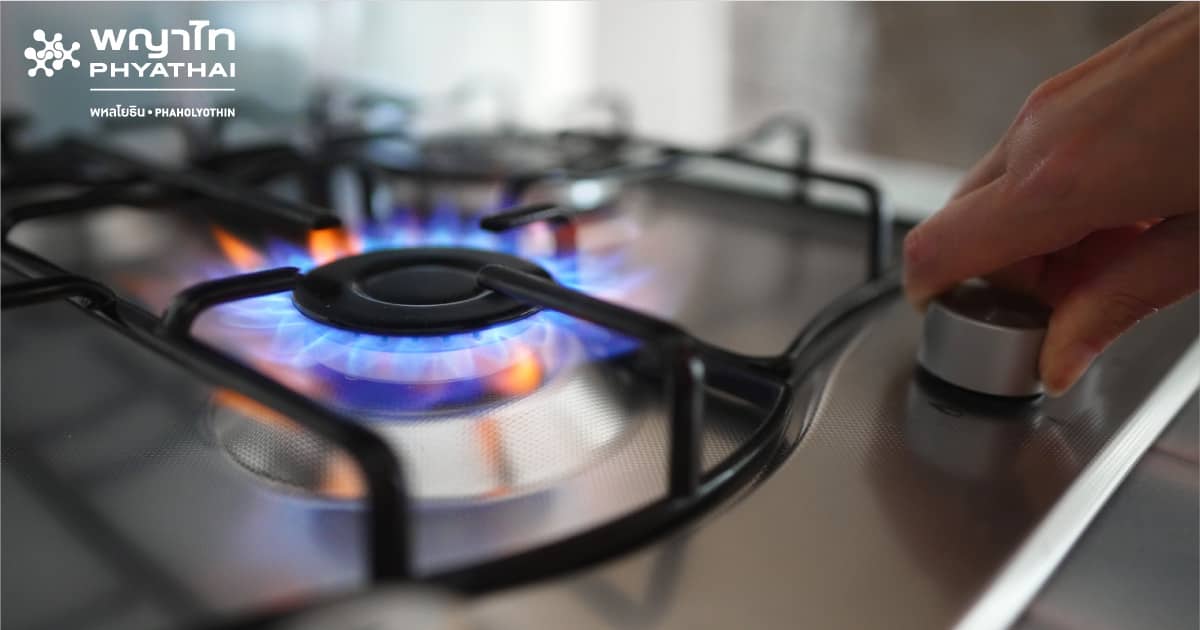
First aid for burn wounds is an important step in reducing injury. Initially, the focus is on cooling the wound and minimizing tissue damage caused by heat. Subsequent treatment should consider wound cleaning and dressing to prevent contamination. In cases of severe burns, such as deep or extensive wounds, prompt medical attention is necessary.
First Aid for Burn Wounds
- Washing the wound and cooling is the first thing to do by using clean water at room temperature or slightly cool water, pouring it over the wound for at least 10-20 minutes to dissipate heat and relieve burning sensation. Avoid using ice or very cold water as it can increase pain.
- Remove clothing and jewelry that touch or are near the wound to prevent heat retention that may worsen the burn or cause further tissue damage. Use clean water to help cool the tissue before removing rings, bracelets, or necklaces near the wound area, as swelling may cause constriction and cut off blood supply to that part.
- Once the wound has cooled, cover it with a clean cloth to prevent irritation or tearing of the tissue, which may delay healing. Do not use rough towels or cotton wool as fibers may stick to the wound and increase infection risk. For severe burns, deep wounds, or wounds contaminated with soot or chemicals such as hot oil, acid, or alkali, seek medical attention immediately, especially if the burn is on the face, hands, joints, or vital organs, as it may affect long-term body function.
- Use appropriate burn ointments such as Silver Sulfadiazine or other medications as advised by a doctor.
- Cover the wound with clean gauze or non-irritating bandages to protect from dirt and reduce infection risk. For minor burns, use sterile gauze or clean, breathable fabric like thin cotton that does not shed fibers, and avoid tight wrapping to allow air circulation and prevent moisture buildup.
- Clean the wound and change dressings daily or more frequently if there is fluid discharge. Use antiseptic ointments or burn creams as recommended by a doctor to reduce inflammation and prevent infection.
- If small clear blisters (blisters) form, let them heal naturally without puncturing, as the fluid inside protects the new skin layer and reduces infection risk. For large blisters or those in areas prone to rupture such as palms, soles, or joints, medical personnel should drain and care for the wound to reduce infection risk and promote faster healing.
- Relieve pain with paracetamol or NSAIDs. If pain persists or is accompanied by symptoms such as unusual redness, swelling, pus, or fever, seek medical attention promptly.
- For burns on the hands, move fingers frequently to prevent joint stiffness and reduce swelling. Use a supportive bandage if the wound is large or severe to help reduce swelling caused by hanging the hand down.
- For burns on the legs or feet, reduce weight-bearing and elevate the limb to help reduce swelling, especially within the first 24-48 hours. Seek medical care if the burn is severe.
For minor burns, aloe vera gel or burn relief gels can be used to reduce burning sensation and moisturize the skin. Choose clean products without harsh chemicals to minimize irritation or inflammation. Avoid creams containing steroids, unverified herbal medicines, or other substances that may affect wound healing.
What Not to Do When You Have a Burn Wound
- Do not use very cold water or ice to cool the wound as it can cause tissue damage and increase pain.
- Avoid scrubbing or rubbing the wound as it may cause more skin damage and increase infection risk.
- Do not apply any medication without knowing its properties.
- Do not apply creams, oils, or other substances not recommended by a doctor as they may irritate or inflame the wound.
- Do not open, cut, or puncture blisters yourself as it increases infection risk.
- Do not use unclean cloths or contaminated materials to dress the wound as they may introduce germs.
- Do not wait for the wound to heal on its own without medical consultation, especially if severe or infected, as it may worsen and increase scarring risk.
- Do not expose the wound directly to sunlight as it may cause irritation.
Behaviors (Based on Misunderstandings) That Worsen the Wound
- Applying heat immediately after a burn will increase wound temperature and tissue damage.
- Using overly tight bandages worsens blood circulation around the wound, delaying healing.
- Applying butter, balm, toothpaste, fish sauce, or other substances to the wound causes irritation, moisture buildup, and infection risk.
- Using herbs or chili on the wound causes burning and slows healing.
- Cleaning the wound with vinegar or alcohol may cause irritation.
Preventing Infection in the Early Stage of Burn Wounds
Proper wound care helps speed healing and reduce infection risk. Besides following first aid instructions, keep the wound clean, wash it, and change dressings daily or more often if there is significant fluid discharge. After cleaning, apply Silver Sulfadiazine cream for small or superficial wounds. However, hydrogen peroxide may not be suitable as it can irritate the wound and delay healing. Avoid exposing the wound to water or humid, hot environments to reduce infection risk and promote faster healing. Always consult a doctor or pharmacist before using antiseptics.
Additionally, consume foods that aid burn wound recovery, such as:
- Protein to help build new tissue and heal wounds, such as meat, fish, eggs, milk, yogurt, cheese, and various nuts.
- Vitamin C to reduce inflammation and boost immunity, such as oranges, lemons, papaya, and Indian gooseberry.
- Vitamin A to support the immune system and reduce infection risk, such as carrots, pumpkin, egg yolks, and cheese.
- Zinc to maintain skin and mucous membrane integrity, such as nuts and oysters.
- Omega-3 to reduce inflammation, such as salmon and chia seeds.
Burn wounds require proper care from the start to minimize damage, prevent infection, and promote faster healing. Besides initial care, preventing accidents from fire and hot water is equally important. Exercise caution when cooking, using electrical appliances, or storing flammable materials safely.
If you have any questions or need targeted treatment, Phyathai Phaholyothin Hospital has a Surgery and Wound Care Center with a team of specialists experienced in burn wound care, equipped with modern tools and technology to provide the most effective treatment, helping patients recover quickly, heal wounds faster, and regain a good quality of life.
Register for a free medical consultation, click here
Dr. Kamthorn Wijitkamthorn
Surgeon, Surgery Center
Phyathai Phaholyothin Hospital

