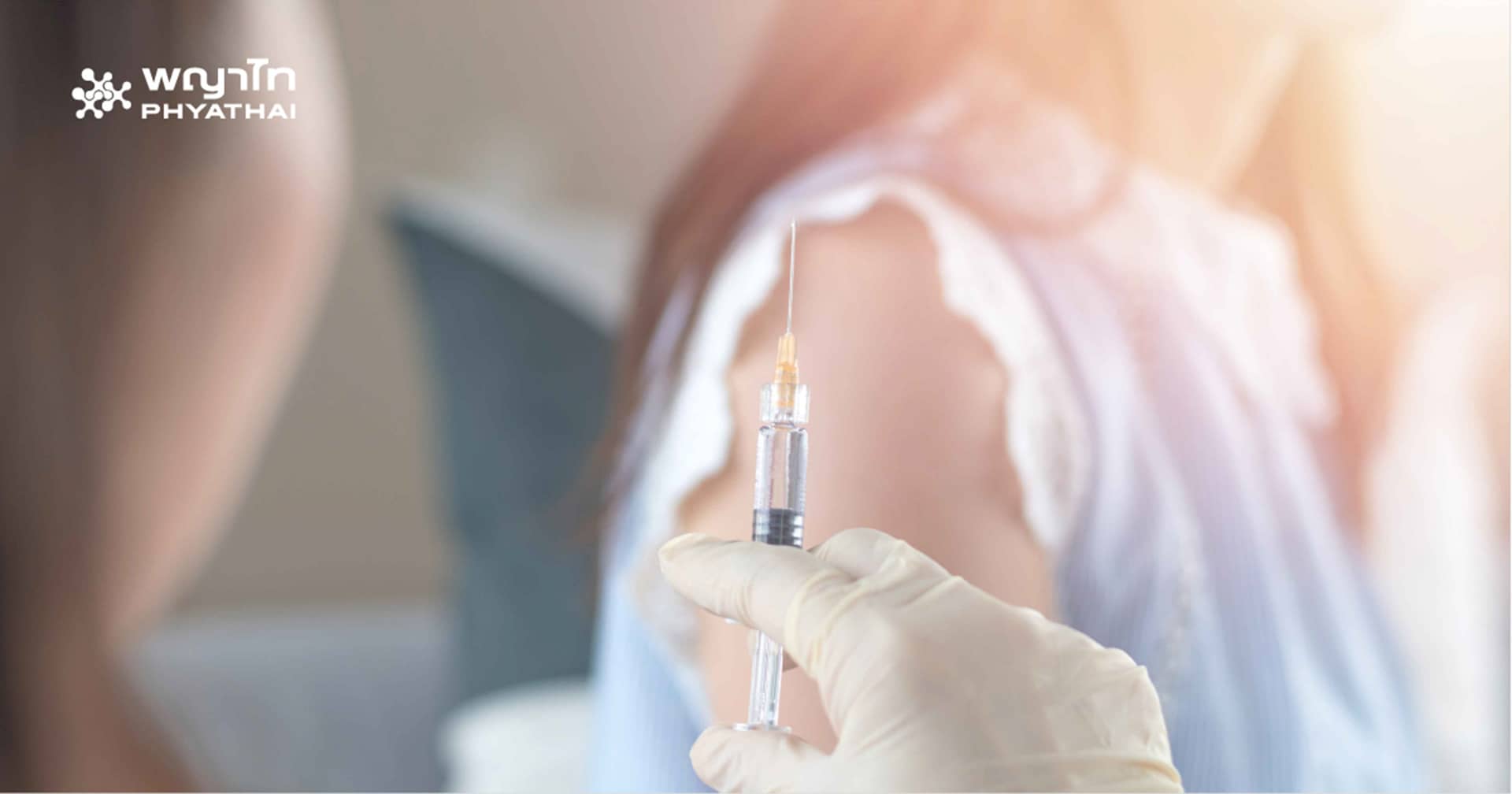
Cervical cancer can be prevented by you. It starts simply by changing the mindset that you might be at risk and prioritizing prevention. This can be done easily and effectively by getting the HPV vaccine and undergoing cervical cancer screening.
It is well known that cervical cancer is primarily caused by the HPV virus. This disease can be managed if detected early. Many people may think that cervical cancer only occurs in those with multiple sexual partners, and that being married and living with one man means it is unlikely to happen. However, in reality, women who have had sexual intercourse can also contract HPV. Therefore, women who have had sexual intercourse, whether married or not, need to undergo cervical cancer screening.
- Screening such as a pelvic exam to detect abnormalities in cervical cells at an early stage before progressing to cancer. If detected early, it can be treated successfully.
- HPV vaccination to prevent the root cause of cancer, which is HPV infection.
Getting to Know the HPV Vaccine
The HPV vaccine is used to prevent and reduce the risk of cervical cancer. The vaccine provides the greatest benefit to women who have never had sexual intercourse. Therefore, vaccinating daughters before they reach adolescence is an ideal opportunity and highly beneficial for their future. Additionally, vaccinating children helps build better immunity than in adults because children who have not yet had sexual intercourse can start receiving the vaccine from the age of 9 onwards.
However, adults who have had sexual intercourse or have been infected with HPV can also receive the HPV vaccine because it can protect against strains they have not yet been infected with. The vaccination schedule requires 3 doses within 6 months: after the first dose, the second dose is given in the second month, and the final dose in the sixth month. Immunity from the vaccine lasts for at least about 5 years, and booster shots may be given later.
Do You Still Need Screening After Vaccination?
Even after vaccination, women still need to undergo regular cervical cancer screening continuously from the time they begin sexual activity because the vaccine cannot protect against all HPV strains. Therefore, screening is necessary to enhance the effectiveness of cervical cancer prevention.
