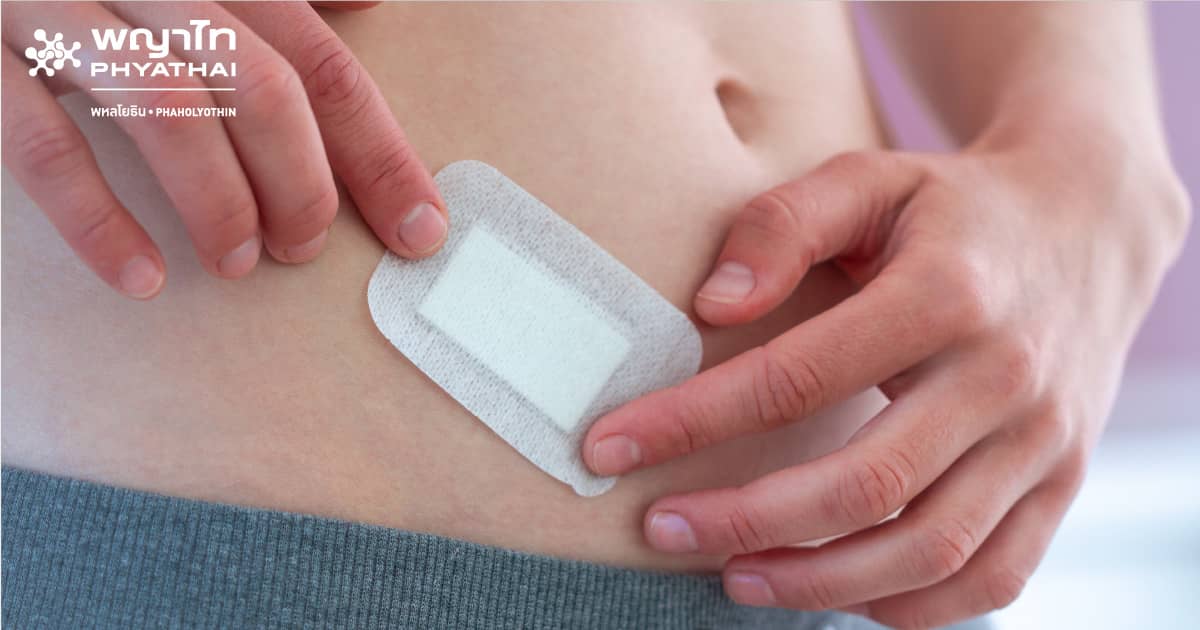
Appendicitis is a common condition that requires treatment to end with surgery. It is caused by obstruction of debris in the appendix or the obstruction becoming infected with bacteria, resulting in severe abdominal pain around the navel down to the lower right abdomen. Some patients may have fever, nausea, or vomiting as well, which is often found in the age group of 15-45 years.
Untreated appendicitis can be life-threatening
If appendicitis is not treated and the inflamed appendix ruptures, it can lead to pus leaking into the abdominal cavity or infection entering the bloodstream, which can be life-threatening. The standard treatment is open abdominal surgery with an incision in the lower right abdomen. However, nowadays laparoscopic appendectomy is available, which has advantages similar to laparoscopic surgery for other conditions.
Treatment of appendicitis with laparoscopic surgery (Laparoscopic Appendectomy)
Laparoscopic appendectomy for suspected appendicitis has advantages in both diagnosis and treatment compared to open surgery. The laparoscopic technique has been developed to reduce the size of the abdominal incision, leaving only a single small surgical wound. The surgery depends on the patient’s condition and the surgeon’s expertise. The surgeon makes a small incision in the abdomen and inserts a small tube called a cannula to inflate the abdominal cavity with carbon dioxide gas. Then, a laparoscope, a thin long tube with a light and a high-resolution camera at the tip, is inserted to transmit images to the surgeon, allowing them to locate the appendix. The surgeon then inserts special small instruments through other small incisions to cut and remove the appendix. Afterward, the area is cleaned, sutured, and the wounds are dressed. However, the surgery has both advantages and disadvantages.
Advantages and benefits of laparoscopic surgery
- Small incisions; if done through the navel, scars are not visible
- Less postoperative pain, reducing the need for pain medication
- Shorter hospital stay
- Shorter recovery time before returning to work
- Reduced postoperative complications and lower infection rates
- Reduced postoperative adhesions
- Less direct injury to other tissues
- Less injury to tissues from prolonged exposure to dry air, as well as reduced fluid loss and heat during surgery, especially in children
- Surgeons can clearly see lesions or pathological conditions due to the magnification of the camera lens, making the surgery safer and more precise
Disadvantages and limitations of laparoscopic surgery
- Requires a highly skilled surgeon
- In some cases, patients cannot undergo laparoscopic surgery, such as those with lung disease, heart disease, obesity, or those who have had previous large open abdominal surgeries
Patient preparation before appendectomy
When the doctor diagnoses appendicitis, they generally provide information and explain to the patient about the surgery, including the location and size of the incision. Importantly, the surgery is not always successful laparoscopically; there is a chance it may need to be converted to open surgery if other pathological conditions are found that cannot be managed laparoscopically, especially in obese patients and female patients.
Recovery and postoperative care
Patients undergoing laparoscopic surgery typically recover faster than those with open surgery by an average of 1-2 days. Patients can start sipping water and eating soft foods soon after surgery. Recovery is quicker, with fewer complications, less pain, and patients can return to normal life. It is important to keep the surgical wound clean to prevent infection, take medications as prescribed, and attend follow-up appointments. Sutures are usually removed after 7 days. The doctor will schedule follow-up visits to monitor recovery. If the patient experiences pain or needs assistance, they should seek help from a doctor or caregiver immediately.
