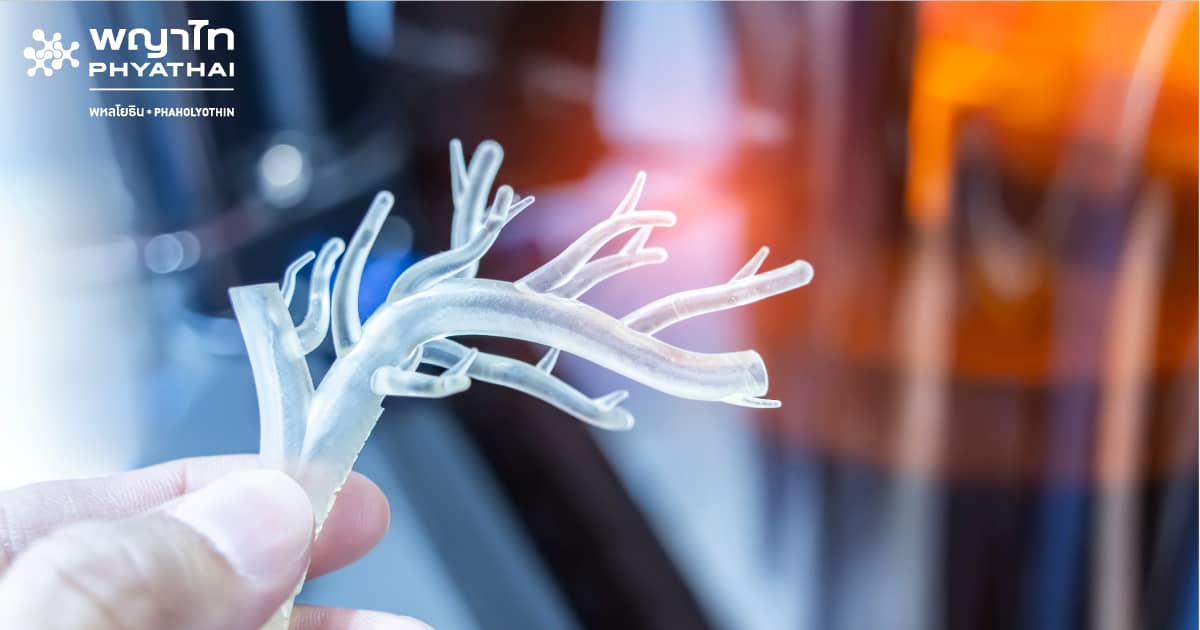
Diabetic wounds heal slowly due to various factors such as blood circulation problems, continuously high blood sugar levels, peripheral neuropathy, as well as a lack of essential nutrients for tissue repair and poor wound care. All of these affect the wound healing process, causing slow healing.
Factors That Cause Diabetic Wounds to Heal Slowly
Diabetic wounds are common in diabetic patients. The factors that cause wounds to heal slower or more difficultly than in the general population are as follows:
- Poor blood circulation due to high blood lipids causes narrowing and hardening of the arteries, preventing blood from delivering enough oxygen and nutrients to the tissue around the wound. This results in ischemic wounds that can worsen.
- Peripheral neuropathy (Diabetic Neuropathy) reduces sensation in patients, so they may not notice wounds or notice them late. Additionally, abnormal peripheral nerves cause foot deformities and abnormal weight-bearing during walking, leading to increased localized pressure, which contributes to diabetic wound formation.
- Prolonged high blood sugar levels cause abnormal functioning of tissue repair cells and immune system dysfunction, increasing the risk of severe infections or spreading to deep tissues and bones.
- Nutritional deficiencies such as protein, vitamins C and E, and zinc, which play important roles in tissue repair.
- Inappropriate wound care behaviors such as leaving wounds moist and dirty, leading to infections and chronic inflammation that hinder new tissue regeneration. Excessive walking or wearing shoes that press on the wound area can enlarge the wound, cause it to worsen, and delay healing.
The Role of the Vascular System in Wound Healing
The vascular system plays a crucial role in wound healing, participating in all stages of tissue repair, from the inflammatory phase, proliferative phase, to the remodeling phase, as follows:
- Angiogenesis is the process that increases blood flow to the injured area to aid in tissue repair and regeneration. Substances such as VEGF (Vascular Endothelial Growth Factor) stimulate endothelial cell growth and expansion, while FGF-2 (Fibroblast Growth Factor-2) promotes the growth and division of fibroblasts and endothelial cells, which are involved in creating new tissue to replace damaged tissue, speeding up wound healing and improving recovery efficiency.
- Inflammation control by the vascular system responds to early inflammation to eliminate pathogens and dead cell debris that may cause infection. Cells in the blood vessels release chemicals that attract white blood cells to the wound area to stimulate a systematic healing process.
- Maintaining oxygen and essential nutrient balance is important for tissue regeneration to reach the wound area adequately by promoting the function of cells involved in tissue repair, such as fibroblasts, which produce collagen that strengthens the wound and promotes effective healing.
Signs Indicating Circulatory Problems
The circulatory system plays an important role in wound healing. For those with diabetic wounds, signs indicating circulatory problems include:
- Leg pain, leg swelling, foot swelling due to poor circulation, which may cause fluid accumulation or inflammation, resulting in swollen legs, swollen feet, and pain.
- Purple discoloration on the skin or chronic wounds that do not heal. When blood cannot adequately supply the skin, the affected area may turn purple or dark due to oxygen deprivation, leading to wounds. To prevent possible complications, if these signs are observed, medical consultation is recommended for appropriate care.
Vascular Examinations to Assess Circulation
There are various vascular examination methods to assess the condition of blood vessels in different parts of the body, as follows:
- Ankle-Brachial Index (ABI) compares blood pressure values at the ankle and arm to evaluate peripheral arterial blood flow quality. The doctor measures blood pressure at both the ankle and arm and compares the values. If the ankle blood pressure is lower than normal, it may indicate arterial narrowing or blockage, requiring further examination for appropriate treatment.
- Doppler Ultrasound
This uses sound waves to assess blood flow within blood vessels by placing a transducer on the skin over the area to be examined to send and receive sound waves. This test can evaluate blood flow in peripheral arteries, such as those in the feet.
- CT Angiography
This examination involves injecting a contrast agent into the blood vessels and using X-ray imaging to assess blood flow and detect abnormalities such as narrowing or blockage of blood vessels. This test provides clear images of vascular structures, helping doctors diagnose and plan appropriate treatment.
- Magnetic Resonance Angiography (MRA) uses magnetic waves to visualize arteries without the need for contrast injection.
Treatments for Arterial Narrowing or Blockage That Help Diabetic Wounds Heal Faster
Diabetic wounds can heal faster by treating arterial narrowing or blockage, which increases blood flow to the wound, speeding up healing through various methods:
- Using thrombolytic or antiplatelet drugs to improve blood circulation.
- Surgical procedures to dilate arteries or placing stents to expand narrowed or blocked arteries (Peripheral Angioplasty).
- Arterial bypass surgery in the leg (Arterial Bypass), an open surgery using veins or synthetic grafts to bypass and increase blood flow to the distal leg or ankle.
Vascular care is essential in treating diabetic wounds, especially the Ankle-Brachial Index (ABI) test to assess blood circulation, which is a key part of evaluating vascular health and blood flow in patients. At Phyathai Phaholyothin Hospital, we have a team of vascular specialists, advanced diagnostic technology, and comprehensive treatment methods, including blood sugar control and vascular dilation, to help diabetic wounds heal faster and reduce complications. Multidisciplinary care with appropriate treatment plans helps promote faster wound healing.
Dr. Praphawan Theerasart
Surgeon, Surgery Center
Phyathai Phaholyothin Hospital
