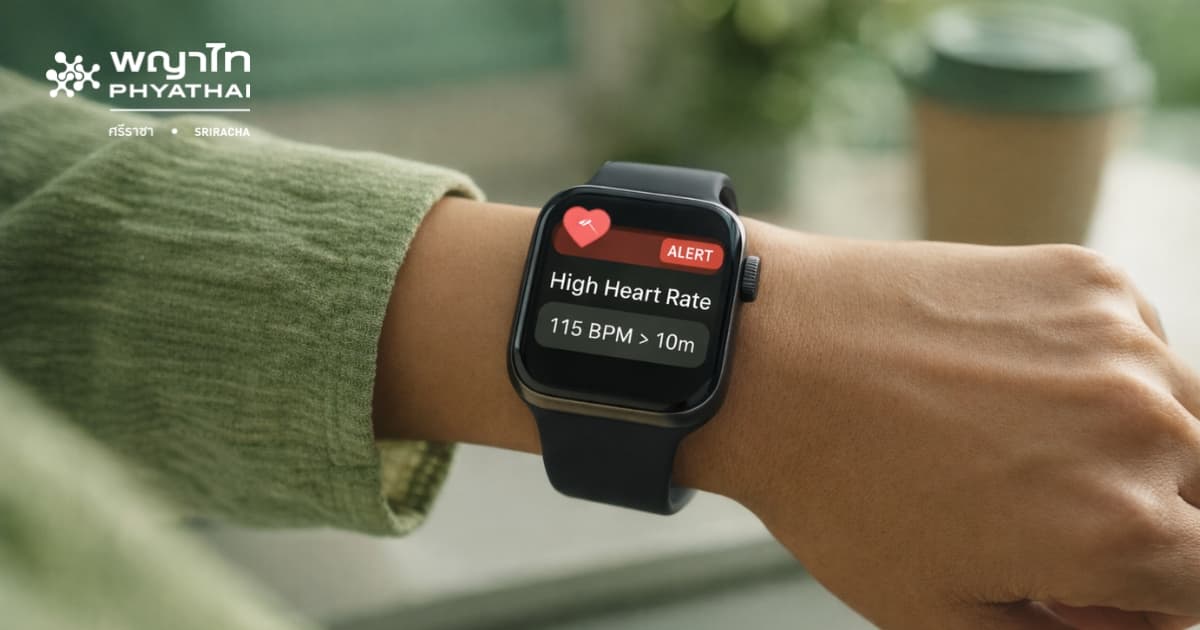
What Causes Abnormal Rapid Heartbeat? When Is It Appropriate to Have a Heart Checkup?
The symptom of a “rapid heartbeat” may be just a temporary condition caused by stress or could be a warning sign of heart disease that should not be overlooked.
Many people wonder
- How fast does the heart have to beat to be considered abnormal?
- What symptoms require urgent medical attention?
- What tests should be done?
This article is compiled based on medical principles to help you accurately assess the risk.
How Fast Does the Heart Have to Beat to Be Called “Abnormal”?
Generally, the resting heart rate of adults is 60–100 beats per minute.
If the heart beats faster than 100 beats per minute at rest, it is called tachycardia. However, the abnormality is not judged by “speed” alone; other symptoms must also be considered.
Causes of Abnormal Rapid Heartbeat
Rapid heartbeat can occur from various causes, divided into 2 main groups.
1) Non-dangerous Causes
- Exercise
- Stress, anxiety
- Drinking coffee or energy drinks
- Lack of sleep
- High fever
- Dehydration
*Symptoms usually improve with rest or removal of triggering factors
2) Causes Related to Heart Disease
- Arrhythmia (abnormal heart rhythm)
- Ischemic heart disease
- Cardiomyopathy (weakened heart muscle)
If left untreated for a long time, it may increase the risk of complications such as blood clots, heart failure, or stroke.
Symptoms to Watch For
If you have these symptoms along with a rapid heartbeat, you should see a doctor immediately.
- Irregular palpitations
- Chest tightness
- Dizziness, lightheadedness
- Fainting
- Unusually easy fatigue
- Shortness of breath
Especially if you have a history of diabetes, high blood pressure, high cholesterol, smoking, or a family history of heart disease.
When Should You Have a Heart Checkup?
You should have an immediate checkup if you have severe symptoms
- Chest pain radiating to the left arm, neck, or jaw
- Fainting or loss of consciousness
- Heart rate over 120–150 beats per minute without cause
You should have a checkup if symptoms come and go
- Frequent unexplained palpitations
- Unusual easy fatigue
- Feeling of irregular heartbeat
You should have an annual heart health check if you are at risk
- Age 40 or older
- Have underlying diseases
- Family history of heart disease
- Work stress and insufficient rest
Appropriate Heart Examinations
Doctors may consider the following tests:
- Electrocardiogram (EKG) to check the basic heart rhythm
- 24-hour Holter Monitor for intermittent symptoms
- Exercise Stress Test (EST) using a treadmill to observe response
- Echocardiogram to view the structure and function of the heart muscle
- CT Calcium Score to assess the risk of coronary artery blockage
Rapid heartbeat may be normal, but if it occurs without a clear cause or with accompanying symptoms, it should be evaluated by a doctor. Early heart examination helps reduce the risk of serious complications in the future.
FAQ: Frequently Asked Questions About Rapid Heartbeat
Q1: Is a heart rate of 110 beats per minute dangerous?
A: It depends on the context. If you just exercised or are stressed, it may not be dangerous. But if it occurs at rest with chest tightness or dizziness, you should see a doctor.
Q2: Are nighttime palpitations related to heart disease?
A: They may be caused by stress, acid reflux, or hormonal imbalances. However, if frequent, an electrocardiogram should be done for evaluation.
Q3: Are working-age adults at risk of arrhythmia?
A: Yes, especially those who are stressed, sleep-deprived, consume a lot of caffeine, or have underlying diseases.
Q4: Should I get checked if I have occasional rapid heartbeat?
A: You should get checked if it happens frequently or if you experience dizziness, easy fatigue, or severe palpitations.
Q5: Do I need to fast before a heart test?
A: It depends on the type of test. For example, blood tests may require fasting. Your doctor will provide specific instructions.
