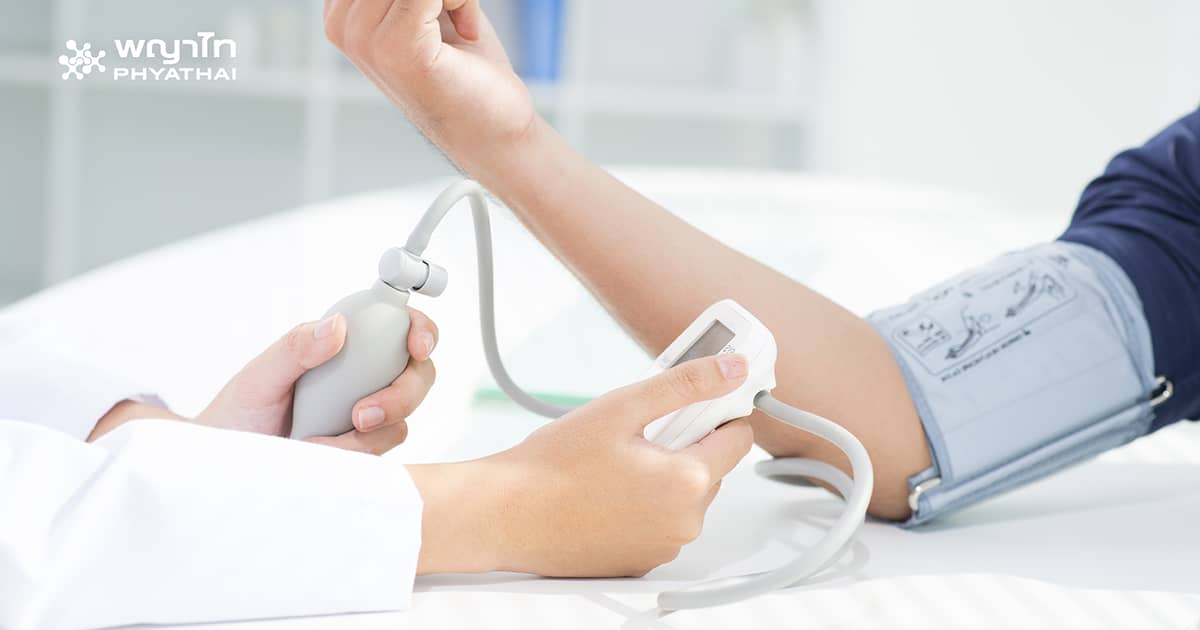
What is Blood Pressure?
Blood pressure refers to the force of the blood flow against the walls of the arteries caused by the heart pumping blood. The ‘high blood pressure’ is caused by the deterioration of the arteries, which leads to hardening and narrowing of the blood vessels. This condition is an indicator associated with coronary artery disease, stroke, kidney disease, and other cardiovascular system diseases. High blood pressure may result from inappropriate eating habits, insufficient exercise, being overweight or obese, smoking, and regular alcohol consumption.
Are you “Hypertensive”? How is it measured?
To know whether you have high blood pressure, you need to measure it with a blood pressure monitor. The measurement consists of 2 values:
- Systolic pressure which is the blood pressure when the heart contracts
- Diastolic pressure which is the blood pressure when the heart relaxes
Severity criteria for high blood pressure in individuals aged 18 years and older
|
Category |
Systolic pressure (mm/Hg) and Diastolic pressure (mm/Hg) |
| Normal blood pressure | < 120 and < 80 |
| Elevated blood pressure | 120-129 and < 80 |
| High blood pressure stage 1 | 130-139 and/or 80-89 |
| High blood pressure stage 2 | ≥ 140 and/or ≥ 90 |
| Isolated systolic hypertension | ≥ 140 and < 90 |
How to reduce the risk of high blood pressure
Self-care to reduce the risk of high blood pressure can be done by paying attention to health and reducing certain behaviors such as
Diet
- Reduce high sodium foods such as processed foods, ready-to-eat meals, bakery products, and check nutrition labels before purchasing by choosing low-sodium options. When cooking, reduce the use of seasonings
- Reduce high-fat foods such as fatty meats, fried or stir-fried foods with oil, coconut milk, and avoid consuming more than 30% of the total food intake per meal. Choose healthy oils for cooking such as coconut oil, olive oil, and rice bran oil
- Reduce high sugar foods such as sweets, sugary drinks, ice cream, and sweet fruits because excess sugar is stored as fat, which contributes to high blood lipid levels and eventually leads to high blood pressure
- Increase intake of vegetables and unsweetened fruits so that they make up half of each meal
Exercise
Exercise plays a very important role in preventing and reducing the risk of high blood pressure, such as
- Aerobic exercise such as brisk walking, running, swimming, or playing various sports that continuously stimulate the heart to work harder for more than 20 minutes because it helps strengthen blood vessels and heart muscles, thereby reducing the risk of high blood pressure
- Yoga exercise not only helps balance the body but also reduces stress, which benefits blood vessels and blood pressure
Exercise regularly at least 3-5 times or a total of 150 minutes per week because it helps with weight control, blood sugar reduction, and blood pressure reduction. For those starting to exercise after a long break, especially those with chronic diseases or elderly people, a health check-up and consultation with a doctor are recommended to reduce the risk of potential harm.
Quit smoking
because smoking causes inflammation of the blood vessels leading to narrowing of the arteries. Nicotine in cigarettes causes blood vessels to constrict and lose elasticity, making the heart work harder to pump enough blood to organs, increasing the risk of high blood pressure and coronary artery disease.
Avoid alcohol consumption
because drinking alcohol increases the production of the hormone aldosterone, causing the body to retain more water and sodium than usual regularly, eventually leading to high blood pressure. Therefore, if drinking socially, women should not exceed 1-2 units per day, and men should not exceed 2-3 units per day. One unit equals 12 ounces of beer with 5% alcohol or 5 ounces of wine with 12% alcohol.
Generally, more than 90 percent of people with high blood pressure have no known cause and no warning symptoms, so the disease may be detected only at a severe stage. Therefore, everyone should take care of themselves by eating appropriately, exercising regularly, and avoiding or reducing factors that cause high blood pressure. Annual health check-ups are also recommended to keep track of body deterioration and to know if you are at risk of any diseases so that prevention or early treatment can be done.