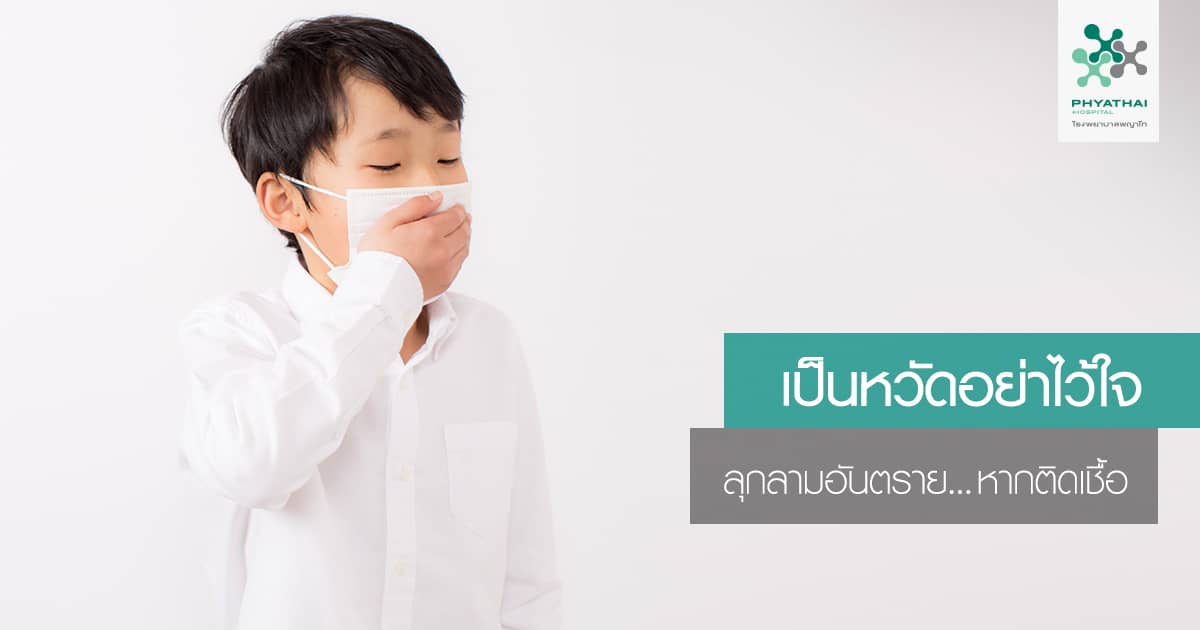
During the late rainy season and early winter, the weather is often unstable—sometimes rainy, sometimes cold, sometimes hot and humid. This weather condition promotes the growth and spread of pathogens. When children inhale these pathogens, they travel through various important organs of the respiratory system, causing acute respiratory infections in children. This is the leading cause of the highest illness and death rates in children under 5 years old. Parents or guardians should understand acute respiratory infections in children to observe symptoms and take their little ones to see a doctor promptly.
What are acute respiratory infections in children?
They are infections ranging from the nasal cavity to the alveoli in the lungs that occur acutely, usually lasting no more than 4 weeks. They can be broadly divided into two groups:
- Upper respiratory tract acute infections: infections from the nasal cavity up to above the larynx
- Lower respiratory tract acute infections: infections from the bronchi to the alveoli in the lungs
Common upper respiratory tract acute infections
Common cold is the most common upper respiratory tract acute infection.
- Usually caused by viruses such as Rhinovirus, Coronavirus
- Symptoms are generally mild, including nasal congestion, runny nose, cough, sneezing, low-grade fever, sore throat, and body aches. Symptoms usually last 2-7 days. If symptoms persist for more than 2 weeks, complications such as sinusitis or secondary bacterial infections may occur.
- On average, children may catch a cold 6-10 times per year, with fewer occurrences as they grow older.
Pharyngitis is mostly caused by viral infections but can also be caused by some bacterial infections. Symptoms include fever, fatigue, loss of appetite, sore throat, hoarseness, cough, and runny nose.
Otitis media can be caused by both viruses and bacteria. Children may first have a cold, then develop fever, ear pain, ear fullness, and some may have pus discharge from the ear. Young children may show symptoms by frequently pulling their ears, and some may also have a cough.
Sinusitis is mostly caused by bacterial infections. Symptoms resemble a prolonged cold, such as cough and runny nose lasting more than 10 days, high fever, headache, pain around the eye sockets, tenderness when pressing the sinus area, thick green nasal discharge, and sometimes foul-smelling breath.
Common lower respiratory tract acute infections
Viral croup is commonly found in children aged 6 months to 3 years. It is caused by viral infections. Symptoms start with a cold for 1-2 days, followed by barking cough, hoarseness, and noisy breathing. Severe cases may have rapid breathing, difficulty breathing, and cyanosis (bluish lips).
Bronchitis can range from mild to severe and can be caused by various factors such as infections, allergies, or chemical irritants. Here, we focus on infectious bronchitis. It usually begins with cold symptoms like fever and clear nasal discharge, followed by cough. Initially, the cough is dry, then progresses to a productive cough with a lot of phlegm. Some children may cough so much that they vomit or cannot sleep. Sometimes, wheezing may also occur.
Pneumonia is more common and often more severe in children than adults. It is the leading cause of death from infections in children under 5 years old. Symptoms include fever, cough, rapid or difficult breathing. Young children often become more irritable than usual and refuse to eat or drink. Causes include viral and bacterial infections, as well as aspiration of food, water, or chemicals, which can lead to secondary infections. Repeated pneumonia in children may cause permanent respiratory abnormalities, such as bronchiectasis, which reduces quality of life and requires ongoing treatment.
Untreated acute respiratory infections may worsen
Although respiratory infections like the common cold can resolve on their own with proper care or medication, the common cold can lead to lower respiratory tract infections such as bronchitis and pneumonia. Therefore, parents should not ignore if their child has a cold. It is best to see a doctor for early diagnosis. If any of the following symptoms occur, immediate medical attention is necessary:
- Child is very young, especially under 3 months old
- High fever with rapid or labored breathing
- Sore throat or greenish-yellow nasal discharge accompanied by a high fever of 38.5°C or above
- Sinus pain
- Refusal to eat or drink
- Cold symptoms that do not improve within 1 week
Treatment of acute respiratory infections
The principle of treating respiratory infections is specific treatment according to the cause and supportive treatment based on symptoms, as follows:
- Specific treatment according to the cause
If the infection is bacterial, the doctor will consider using antibiotics. The choice of antibiotic depends on the doctor’s judgment, the type of bacteria causing the infection, and the severity of symptoms.
For viral infections, treatment is generally supportive. As the immune system improves and resists the disease, the body gradually eliminates the virus. Antibiotics are not given for viral infections because they kill bacteria, not viruses.
- Supportive treatment based on symptoms
This treatment involves managing the patient’s symptoms, such as giving pain relievers and fever reducers, cough suppressants and expectorants, oxygen therapy in cases of breathing difficulty, and intravenous fluids if the patient cannot eat or is dehydrated.
Prevention and risk reduction of acute respiratory infections
- If the child is still breastfeeding age, continue breastfeeding to build immunity.
- Eat a balanced diet with all five food groups to strengthen the body and provide sufficient vitamins.
- Exercise regularly
- Avoid crowded or busy places such as playgrounds and ball pits to reduce exposure to infections from others
- Avoid being near smokers or places with cigarette smoke, as well as places with chemical exposure
- If the child is sick, keep them home from school to prevent spreading the disease to other children
- Teach children to wash their hands frequently, avoid putting hands in their mouth, picking their nose, or rubbing their eyes, and avoid being exposed to others’ coughs or sneezes
- Wash hands before eating snacks or meals, and use serving spoons; do not share spoons or cups with others
- Get vaccinated against diseases. Currently, effective vaccines are available to prevent acute respiratory infections, including influenza vaccine and pneumococcal vaccine (IPD)
