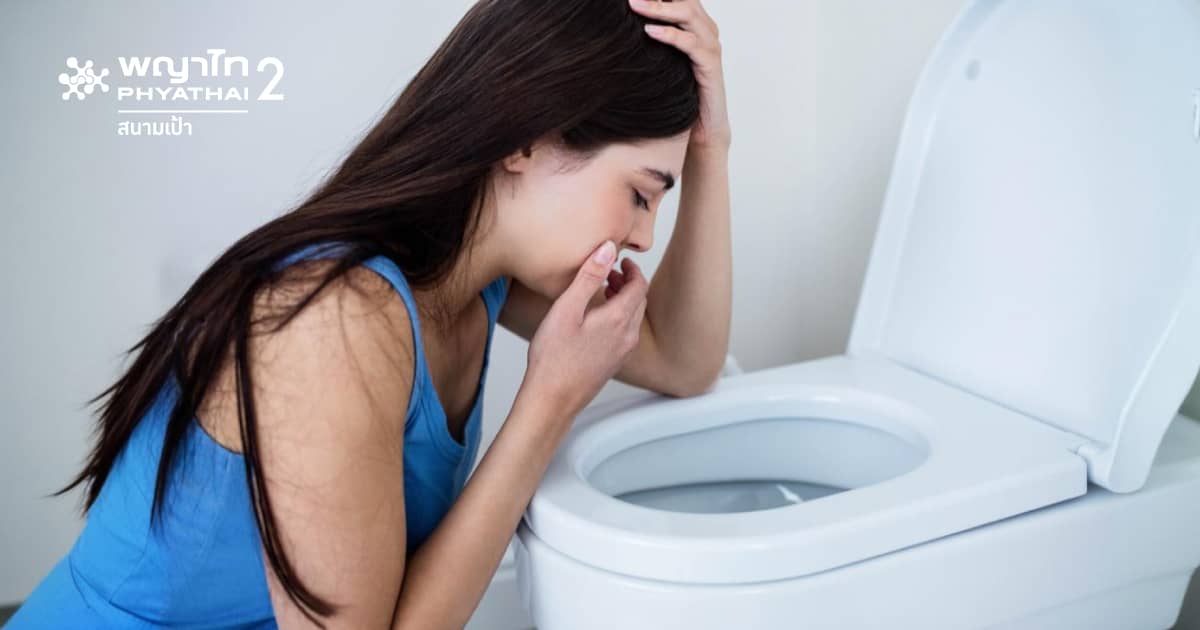
What Causes Vomiting Blood?
Vomiting blood, medically known as hematemesis, can result from several serious underlying conditions, including
- Esophagitis (inflammation of the esophagus) : Often caused by severe acid reflux, esophagitis can lead to irritation and bleeding in the esophageal lining.
- Gastric ulcers : These are open sores in the stomach lining that can bleed, leading to vomiting blood. They are typically caused by infection with Helicobacter pylori or prolonged use of NSAIDs.
- Esophageal varices : Swollen veins in the esophagus, commonly seen in patients with liver cirrhosis or chronic alcohol use, can rupture and bleed profusely.
- Cancers of the upper digestive tract : Advanced-stage cancers such as stomach cancer or esophageal cancer may cause large ulcerative lesions that bleed, leading to hematemesis.
What Does Bloody Stool Indicate?
Bloody stool, or the presence of blood in your feces, can signal a range of gastrointestinal issues. The color and appearance of the blood often indicate the source of the bleeding:
- Black, tar-like stool (known as melena) usually results from bleeding in the upper or middle parts of the digestive tract, such as the stomach, small intestine, or the right side of the colon.
- Bright red or maroon-colored blood typically suggests active bleeding from the lower gastrointestinal tract, including the left colon, rectum, or anal canal.
Common causes of bright red blood in the stool include:
- Hemorrhoids : The most common cause, often presenting as fresh red blood on the stool or toilet paper.
- Anal fissures : Small tears in the lining of the anus, often caused by passing hard stools, can lead to bleeding and pain during bowel movements.
- Inflammatory Bowel Disease (IBD) : Conditions like Crohn’s disease and Ulcerative colitis can cause chronic inflammation and bleeding in the intestines.
- Colorectal cancer : Particularly in older adults or individuals with a family history, colorectal cancer may cause bleeding—either bright red or dark-colored—mixed with stool.
When to See a Doctor for Vomiting or Passing Blood
If you notice symptoms such as vomiting blood or bloody stools, it is crucial to seek medical attention immediately to determine the cause and begin appropriate treatment. Prompt care is especially urgent if these symptoms are accompanied by any of the following:
- Heavy bleeding leading to dizziness or fainting
- Rapid heartbeat, cold sweats, or cold hands and feet
- Severe abdominal pain
- Unexplained rapid weight loss
Diagnostic Methods for Vomiting Blood and Bloody Stools
To determine the underlying cause of vomiting blood or bloody stools, doctors will perform detailed investigations, which may include:
- Gastroscopy (Upper Endoscopy) : A procedure that allows doctors to examine the esophagus, stomach, and the first part of the small intestine for ulcers, inflammation, or bleeding.
- Colonoscopy : Used to inspect the colon and rectum for abnormalities such as polyps, inflammation, or tumors that could be causing lower gastrointestinal bleeding.
- Blood and Stool Tests : These help detect signs of infection, anemia, or digestive system disorders, and can provide clues about the source of bleeding.
Treatment Options for Vomiting Blood and Bloody Stools
The treatment approach depends on the underlying cause and severity of the condition. Common methods include:
- Medications: Such as antacids or anti-inflammatory drugs to reduce irritation and promote healing of the digestive tract.
- Endoscopic Treatment: Procedures like endoscopic hemostasis can be performed during gastroscopy or colonoscopy to stop active bleeding.
- Surgery: May be necessary if bleeding is caused by tumors, cancers, or other structural abnormalities that cannot be treated with medication or endoscopy.
How to Prevent Vomiting Blood and Bloody Stools
Preventive measures can help reduce the risk of gastrointestinal bleeding and maintain digestive health:
- Avoid overly spicy foods or those that trigger excessive stomach acid production.
- Limit the use of certain painkillers (such as NSAIDs) that may irritate the stomach and intestines.
- Reduce alcohol consumption to prevent liver and gastrointestinal damage.
- Eat a high-fiber diet to prevent constipation and reduce strain during bowel movements.
- Get regular health check-ups to detect and address potential gastrointestinal conditions early.
Don’t Wait Until It’s Too Late!
Vomiting blood or passing blood in your stool can be a warning sign of a serious condition that requires urgent diagnosis and treatment. Delaying care may lead to life-threatening complications. If you or a loved one experiences these symptoms, we strongly recommend seeking medical evaluation and consulting with a specialist to ensure comprehensive digestive health management — from accurate diagnosis to tailored treatment planning.
At the Advanced Gastrointestinal Endoscopy and Liver Diseases Center, Phyathai 2 Hospital — The Heart of Digestive Wellness — our team of experienced gastroenterologists is equipped with advanced medical technologies, including high-precision endoscopic systems and Japanese-standard hemostatic tools. We are committed to delivering accurate diagnoses and safe, effective treatments in accordance with internationally accredited standards (HA and JCI).
