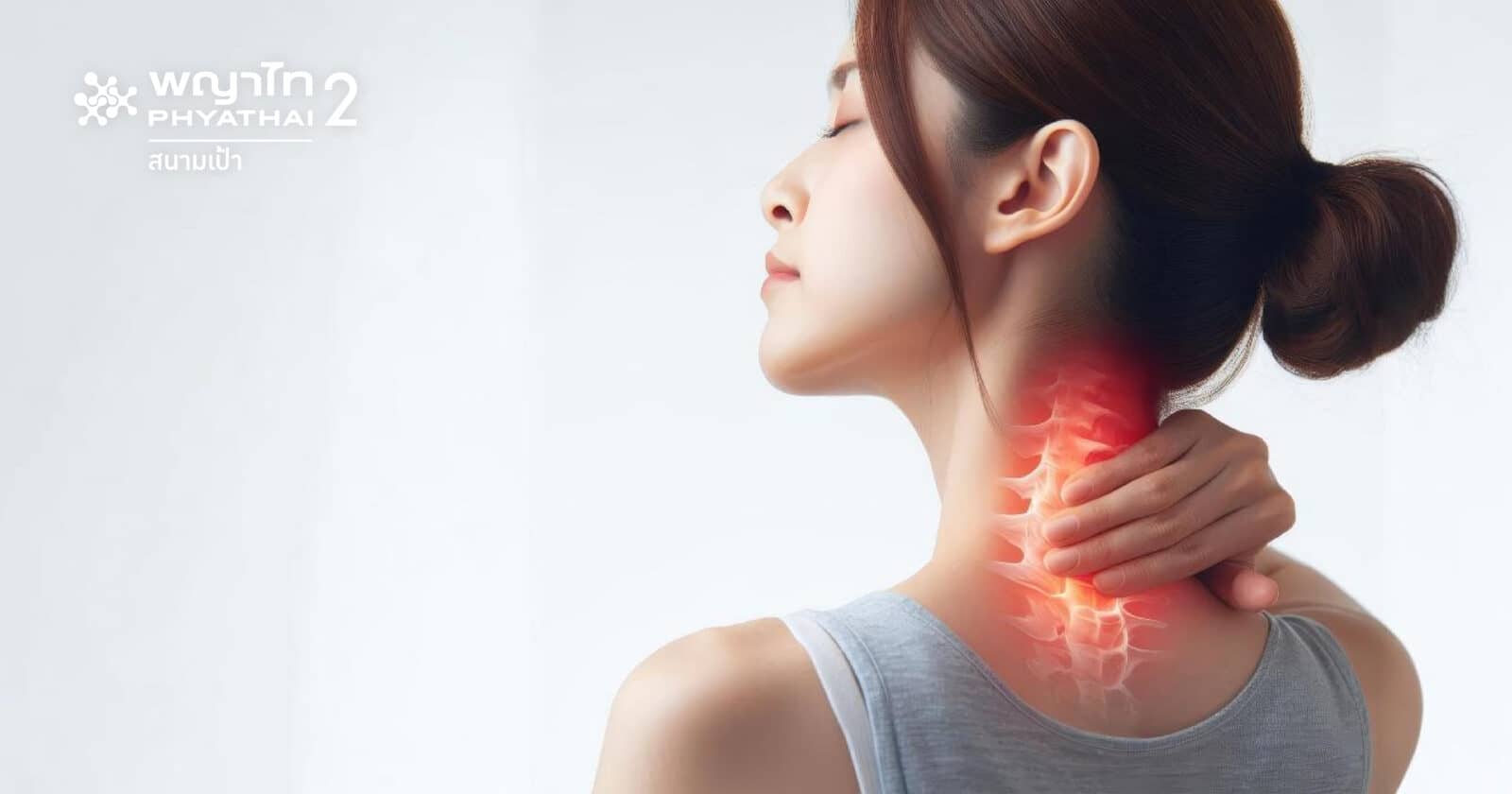
‘Neck pain’ or ‘back pain’ often results from overuse of the muscles, such as tension from prolonged sitting or staying in one position for a long time—like staring at a computer screen, looking down at a phone, sitting cross-legged, or lifting heavy objects incorrectly. Even sleeping in an improper position, like lying on your stomach, can cause discomfort. Generally, these types of neck or back pain are not severe and can improve on their own with behavioral adjustments.
How to Relieve Neck Pain with Behavioral Adjustments
Neck pain caused by muscle tension can improve with self-care and behavior adjustments. Start by sitting properly—keeping your back straight, leaning against a chair’s backrest, and ensuring the computer screen is at eye level to avoid excessive tilting or bending of the neck. Avoid looking down at your phone for long periods to reduce muscle strain. Additionally, you should exercise the muscles in your neck, shoulders, and upper back to build strength, and don’t forget to stretch regularly to release tension. If you experience pain, applying a warm towel or heating pad around the neck area can help relax the muscles. If there’s swelling or inflammation, use a cold compress instead. If the pain persists despite these methods, it is recommended to consult a doctor for proper diagnosis and treatment.
When Should You See a Doctor for Neck Pain?
If the neck pain is sudden or severe, manipulating, massaging, or pressing on the area may worsen the condition or cause complications. The pain could stem from underlying issues related to bones, joints, the nervous system, or other conditions that aren’t just ordinary muscle soreness. Especially if you experience any of the following:
- Inability to move the neck or severe pain when moving it, with worsening symptoms
- Numbness, burning sensation in the arms or hands, weakness, or dropping things easily
- Severe neck stiffness along with a fever
- No improvement even after trying various pain-relief methods
- Neck pain resulting from an accident, such as a fall, car crash, or impact to the neck
Why Should You Avoid Twisting, Snapping, or Jerking Your Neck?
The ‘neck bones’ protect the spinal cord, which transmits nerve signals between the brain and the upper body. If the spinal cord is injured, it can affect movement and sensation in the head, neck, shoulders, arms, and hands. Twisting, jerking, or snapping the neck may cause the vertebral artery in the neck to tear, leading to blood leakage, brain swelling, or blockage of blood vessels, which can result in a stroke. If the cervical bones or discs compress the nerves, it can cause numbness or weakness in the arms and legs. Though mild neck twisting or jerking may not cause immediate harm, frequent repetition can increase the risk of cervical spine degeneration.
Prevention and Reducing the Risk of Neck Pain
Preventing neck pain starts with adjusting posture and daily habits—whether sitting, standing, walking, or sleeping, and using an appropriate pillow for comfort and support. Regular exercise to strengthen the muscles around the neck, shoulders, and back helps protect the cervical spine. If you experience neck pain, whether sudden or chronic, it’s essential to consult a doctor for an accurate diagnosis.
At Phyathai 2 Hospital, we offer consultations with orthopedic specialists and a variety of programs to assess your physical health, providing value healthcare that helps protect and strengthen your body, keeping you free from neck and back pain, so you can enjoy a happy and healthy life for years to come.
