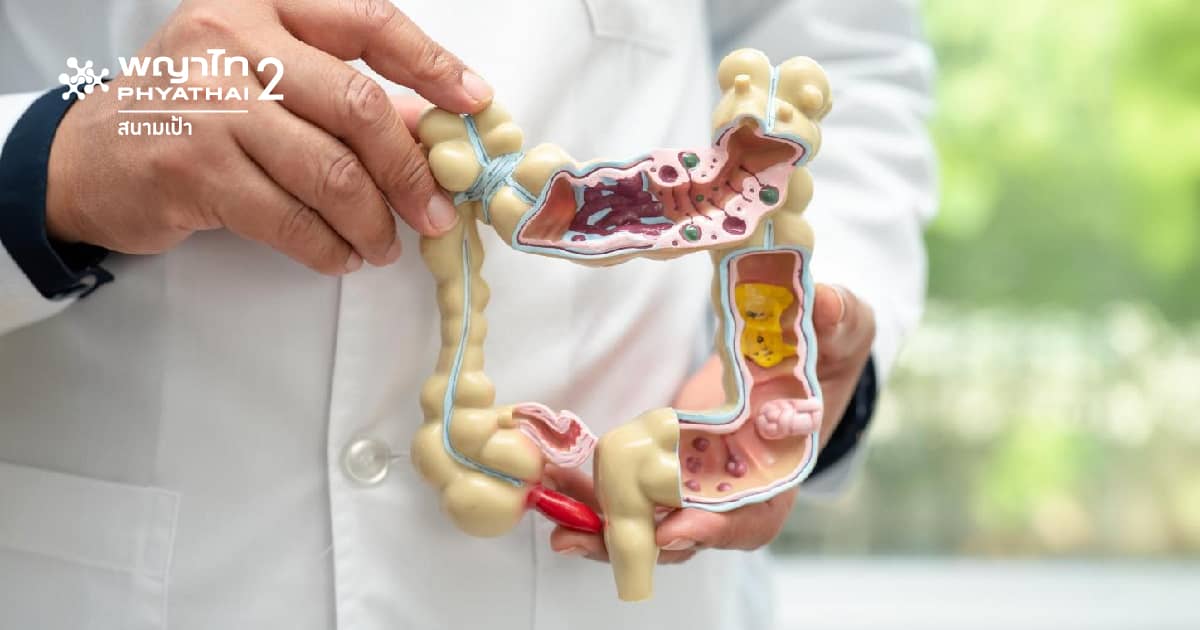
Colon cancer (Colorectal Cancer) is one of the most common types of cancer among adults worldwide. It ranks as the second most common cancer in men and the third in women. The disease originates from abnormal cells in the lining of the colon or rectum, which develop into polyps and may eventually become cancerous. If not detected or treated in time, these abnormal cells can progress into advanced-stage cancer and potentially spread to other organs in the body.
Risk Factors for Developing Colon Cancer
- Increasing Age The risk of colon cancer increases with age, particularly after 45 years old. However, recent trends show a rising incidence in younger individuals.
- Genetics and Family History Having a close relative such as a parent, sibling, or direct family member with colon cancer significantly raises the risk. Additionally, individuals with certain inherited conditions—such as Lynch syndrome or Familial Adenomatous Polyposis (FAP)—are at a higher risk than the general population.
- Chronic Inflammatory Bowel Disease (IBD) People with Crohn’s disease or Ulcerative colitis have a higher likelihood of developing colon cancer compared to the average population.
- Diet and Eating Habits A diet high in fat—especially from red meat and processed meats (such as sausages, bacon, and ham)—has been linked to an increased risk of colon cancer. Grilled or charred foods, which may contain carcinogenic compounds, can also raise the risk.
- Lifestyle Factors Lack of physical activity and being overweight or obese may contribute to the development of this disease.
Symptoms and Warning Signs
In its early stages, colon cancer often presents no symptoms or only vague ones, making early detection challenging. As the disease progresses, more noticeable symptoms may appear—such as bloody stools or bowel obstruction—which often indicate an advanced stage of cancer.
“Screening for colon cancer is therefore the best form of prevention.”
Symptoms to Watch For
- Changes in bowel habits, such as constipation alternating with diarrhea, narrower stools, or changes in stool appearance
- Presence of blood in the stool, whether bright red or dark and tarry
- Unexplained fatigue and weight loss
- Abdominal pain or discomfort
- Persistent tiredness or weakness
- Paleness or signs of anemia
Diagnostic Methods for Detecting Colon Cancer
There are several methods used to detect colon cancer, including:
- Initial Health Screening The doctor will begin by reviewing the patient’s medical history and symptoms. Blood and stool tests may be ordered to detect abnormalities such as anemia or hidden (occult) blood in the stool.
- Colonoscopy This is a highly accurate method for detecting colon cancer or polyps in the colon. In addition to visual diagnosis, abnormal tissue samples can be taken during the procedure for pathological examination.
- Imaging Techniques (CT Scan, CT Colonoscopy, MRI) These imaging tools play a crucial role in cancer staging—assessing the spread of the disease—and are also helpful for planning treatment.
- Stool DNA Test and Circulating Tumor DNA (ctDNA) These tests detect cancer-specific DNA shed by tumor cells into the stool or bloodstream, offering a non-invasive way to screen for colon cancer.
Treatment Options
For early-stage colon cancer, a complete cure is often possible through minimally invasive surgery. The treatment approaches include:
- Polyp Removal via Endoscopy Techniques such as Polypectomy and Endoscopic Mucosal Resection (EMR) are used to remove small cancerous polyps during a colonoscopy. This is an effective treatment for early-stage cancer when the entire polyp can be safely removed.
- Laparoscopic Surgery When polyps cannot be removed during endoscopy, doctors may perform laparoscopic surgery by making small incisions in the abdominal wall to remove the affected section of the colon. During this procedure, lymph nodes may also be collected to check for cancer spread.
- Open Surgery (Colorectal Surgery) This is the standard surgical method for removing large cancerous tumors from the colon or rectum through a traditional abdominal incision.
- Chemotherapy The use of drugs to destroy or inhibit the growth of cancer cells. It is commonly used when the cancer has advanced or when there is a risk of recurrence after surgery.
- Radiation Therapy High-energy rays (such as X-rays or protons) are used to kill cancer cells. Sometimes, radiation is given before surgery to shrink the tumor, making it easier to remove.
- Immunotherapy This treatment aims to enhance the immune system’s ability to recognize and attack cancer cells. Cancer cells often produce proteins that block immune responses; immunotherapy helps to interrupt this mechanism. It is typically recommended for patients with metastatic colon cancer and is used based on the patient’s likelihood of responding to the therapy.
- Targeted Therapy This approach involves using drugs that specifically block the growth and spread of cancer by targeting certain molecules involved in cancer development. It is often used in combination with chemotherapy for patients with advanced or metastatic colon cancer.
Colon Cancer Prevention
Prevention focuses on reducing risk through lifestyle modifications and regular screenings. Key preventive measures include:
- Eating a high-fiber diet, including plenty of vegetables, fruits, and whole grains
- Reducing consumption of red meat and processed foods
- Exercising regularly
- Maintaining a healthy weight
- Quitting smoking and limiting alcohol intake
- Getting regular colon cancer screenings, especially for individuals aged 45 and above or those with a family history of the disease
Colon cancer can affect people of all ages and genders,
especially those who are older or have certain risk factors. Maintaining good health, adopting healthy lifestyle habits, monitoring any changes in bowel movements, getting annual health checkups, and undergoing colon cancer screening when indicated can help prevent advanced-stage colon cancer, reduce mortality rates, and improve patients’ quality of life.
If you have any concerns, you are encouraged to seek professional medical advice. Early attention and care can help ensure a healthy colon and protection against colon cancer.

