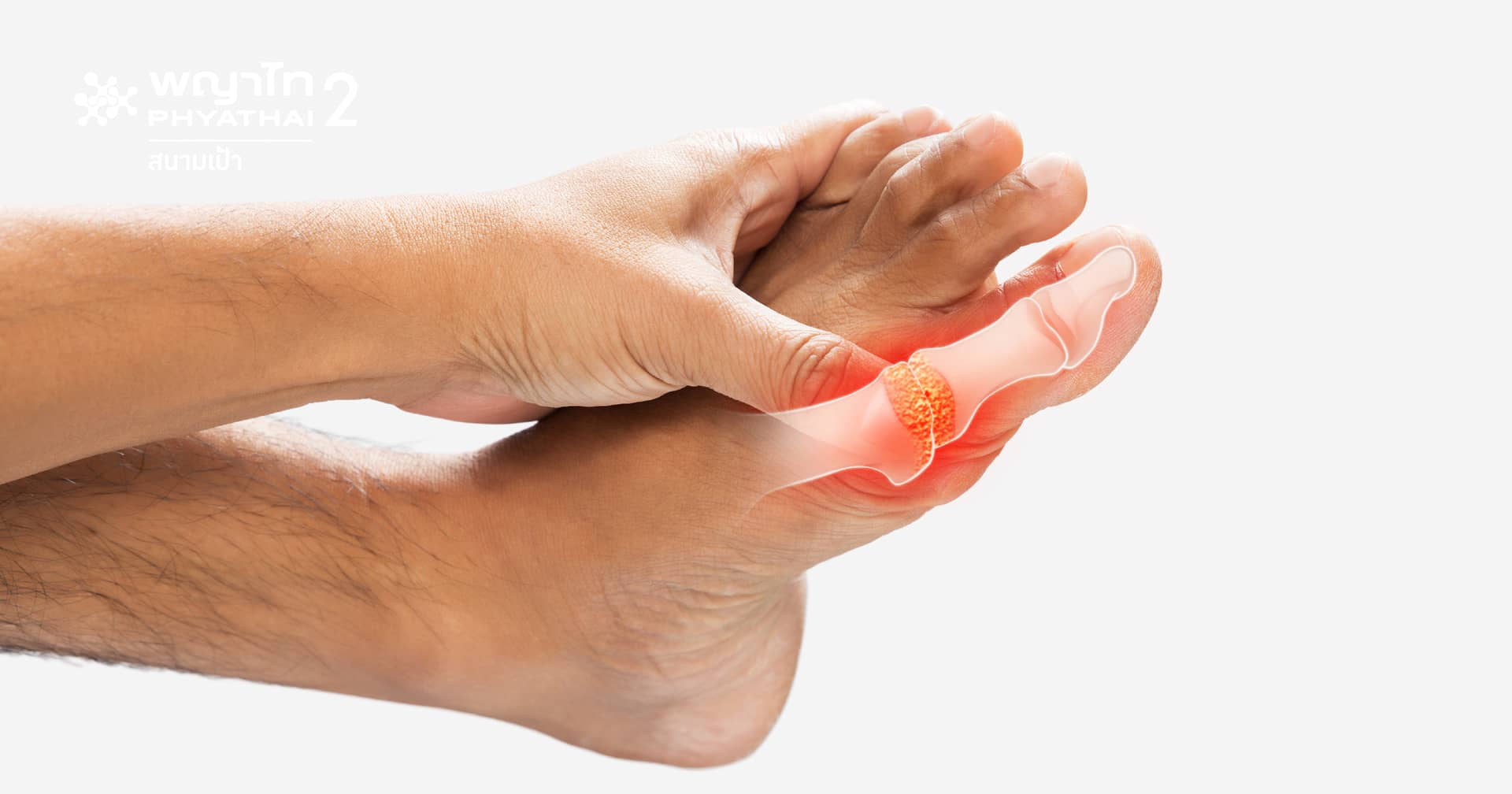
Many people often misunderstand that having high uric acid levels in the blood means they have gout. In reality, individuals with high uric acid but no joint pain do not have gout.
So, how are the conditions of “high uric acid” and “gout” related? Why do we often hear these two terms together, and what else should we know about gout? Let’s take a look!
What Type of Joint Pain is Called ‘Gout’?
Gout is a disease that arises from prolonged high levels of uric acid in the blood, leading to the accumulation and crystallization of uric acid in the joints, ultimately causing inflammatory arthritis. Patients typically experience pain, swelling, and redness in the joints, with symptoms often peaking in the first 12-24 hours, causing severe pain with any movement of the joint.
Gout symptoms usually occur in the big toe, ankles, knees, and occasionally elbows, wrists, or fingers. It can affect one joint or multiple joints, especially if not continuously treated or managed well. If uric acid levels remain high for a long time, crystals can accumulate in various tissues, such as the ears, elbows, or fingertips, resulting in gouty nodules known as tophi.
Generally, an acute gout attack can resolve on its own within 1-2 weeks, even without treatment. However, the sooner patients receive anti-inflammatory medications, the more effective the relief and treatment will be.
What Causes Gout?
Gout is caused by an imbalance between the production of uric acid, which can be excessive, and the body’s ability to eliminate it, leading to elevated uric acid levels. Common causes of gout include:
- Genetic Disorders: Conditions affecting purine metabolism leading to high uric acid, often causing gout at a young age, typically with a family history of the disease.
- Excessive Uric Acid Production: Conditions like leukemia, thalassemia, and psoriasis can increase uric acid production.
- Reduced Uric Acid Excretion: Kidney impairment, acidosis, dehydration, and certain medications (like diuretics and aspirin) can hinder uric acid excretion.
- Diet High in Purines: Consuming high-purine foods like meat (especially poultry), organ meats, sugary drinks, and certain fish can elevate uric acid levels.
- Hormonal Factors: High levels of certain hormones, such as FSH and androgens, can also increase uric acid.
- Other Health Conditions: Conditions like kidney disease, diabetes, obesity, hypertension, and metabolic disorders can increase the risk of gout.
High-Purine Foods: A Risk Factor for Gout
Several factors contribute to gout, including the consumption of high-purine foods. Foods like duck, chicken, and other poultry are high in purines, as well as organ meats, certain fish (like mackerel and salmon), and some vegetables (such as certain greens). Legumes like red beans, black beans, green beans, and soybeans are also high in purines. Overconsumption of these foods can lead to elevated uric acid levels and potentially result in gout.
Frequent Beer and Sweets Consumption: Be Cautious of Gout
All alcoholic beverages, including beer and spirits, not only contain high purines but also stimulate the body to produce more purines, which increases uric acid production. Alcohol can also reduce uric acid excretion by the kidneys and lead to dehydration, further elevating uric acid levels and increasing the risk of gout.
Sweets, especially those high in fructose, can also increase the risk of gout as fructose is converted into uric acid. Foods high in fructose include sugary sodas, fruit juices with added sugar, cakes, cookies, and baked goods.
Gout Treatment
Effective treatment for gout requires behavioral changes, such as avoiding alcohol, reducing the intake of high-purine foods, and limiting sweets high in fructose. For those who are overweight or obese, weight loss to a healthy level is essential.
Additionally, medication is necessary, including those for acute gout flares and urate-lowering therapy, with dosage adjustments based on blood test results to achieve treatment goals.
Consulting a specialist can provide personalized advice on lifestyle changes and medication for optimal effectiveness.
During acute gout flares, starting anti-inflammatory medications such as colchicine, NSAIDs, and prednisolone as soon as possible maximizes treatment effectiveness. Interleukin-1 inhibitors may be used for patients who cannot take the first three options or who do not respond well to them.
Urate-lowering medications should be initiated for patients with indications and gradually increased until the uric acid levels reach the treatment target of less than 6 mg/dL, or below 5 mg/dL for patients with tophi.
Impact of Long-Term High Uric Acid Levels or Gout on Health
High uric acid levels and gout are associated with various health issues, including heart disease, stroke, and metabolic syndrome conditions such as diabetes, high cholesterol, obesity, and hypertension. Prolonged high uric acid levels can adversely affect blood vessels supplying various organs, including the kidneys, leading to complications like kidney stones and even kidney failure.
How to Stay Away from Gout
Maintaining normal uric acid levels involves controlling the intake of high-purine foods and those high in fructose, avoiding alcoholic beverages, managing weight, and treating conditions that contribute to kidney dysfunction to help prevent gout.
If you have risk factors or are prone to gout, consulting a specialist can provide tailored dietary advice, lifestyle modifications, and effective treatment strategies to help you avoid this condition.
