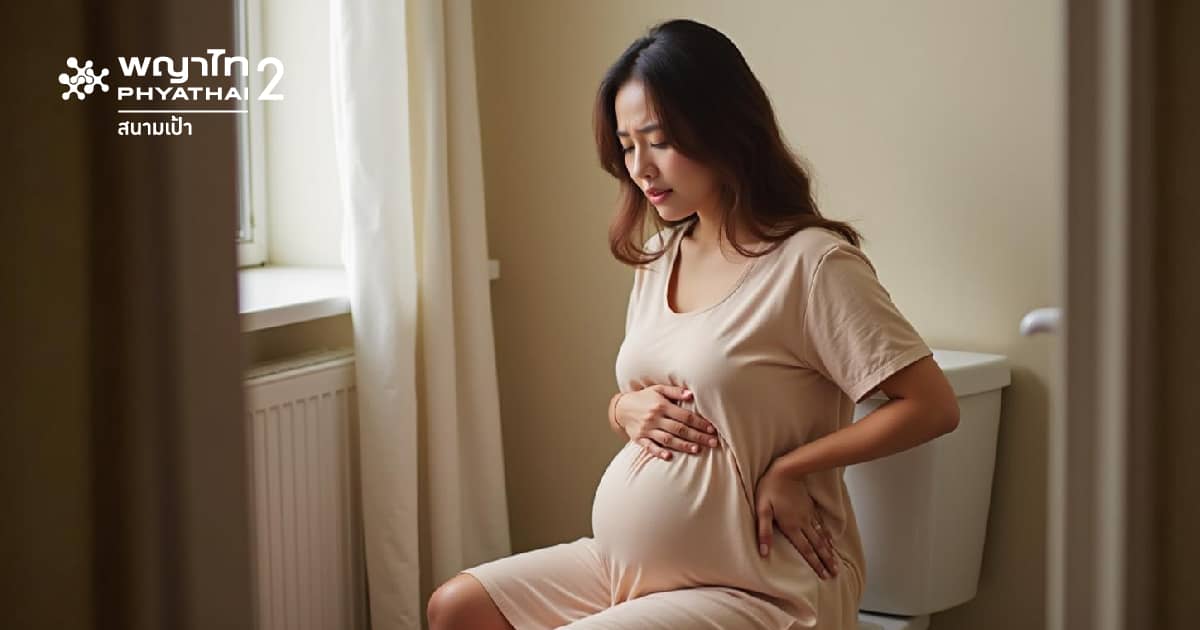
Hemorrhoids are a common health issue during pregnancy due to the physical and hormonal changes that occur in a woman’s body. The symptoms of hemorrhoids can cause discomfort and affect the quality of life for expecting mothers. Today, we’ll look at ways to prevent and relieve these symptoms to help pregnant women feel more comfortable.
Causes of Hemorrhoids During Pregnancy
- Increased abdominal pressure As the uterus expands, it puts pressure on the veins that return blood from the rectal area to the heart. This pressure makes blood flow more difficult, leading to the development of hemorrhoids.
- Increased progesterone levels Progesterone, a hormone that rises during pregnancy, causes the walls of blood vessels to relax. This relaxation can lead to blood pooling and vein swelling, contributing to hemorrhoid formation.
- Constipation Slower bowel movements during pregnancy often lead to constipation. Straining during bowel movements can cause or worsen hemorrhoids.
- Prolonged sitting or standing Staying in one position for long periods can cause blood to pool in the lower part of the body due to gravity, increasing the risk of developing hemorrhoids.
Prevention of Hemorrhoids in Pregnant Women
- Use appropriate laxatives if needed When experiencing constipation or difficulty passing stool, consult a doctor before using any laxatives to ensure they are safe during pregnancy.
- Eat a high-fiber diet Include plenty of vegetables, fruits, whole grains, and legumes in your diet to promote regular bowel movements and reduce the risk of constipation.
- Drink enough water Aim to drink 8–10 glasses of water a day to help keep the digestive system functioning properly.
- Engage in light, regular exercise Activities like walking or prenatal yoga can stimulate bowel function and reduce abdominal pressure.
- Establish regular bathroom habits Try to have a bowel movement at the same time each day and avoid holding it in, as this can lead to constipation and hard stools.
- Avoid sitting on the toilet for extended periods Prolonged sitting can cause the veins in the rectal area to swell and lead to hemorrhoids.
Sleep on your side Follow your obstetrician’s advice regarding sleeping positions. Lying on your side can help reduce pressure on the rectal veins.
Relieving Hemorrhoid Symptoms in Pregnant Women
- Warm sitz baths Soak the affected area in warm water for 10–15 minutes, 2–3 times a day. This can help reduce swelling and inflammation of the hemorrhoids.
- Use topical treatments Apply hemorrhoid creams or gels that are safe for use during pregnancy. Always consult a doctor before using any medication—do not self-medicate.
When to See a Doctor
If you experience severe symptoms such as heavy bleeding, intense pain, fever, general discomfort, unusual fatigue, or if the hemorrhoid becomes large and cannot be pushed back in, it may be a sign of a more serious condition or complication. You should seek medical attention promptly to have your symptoms evaluated and receive proper advice and treatment.
While hemorrhoids during pregnancy are usually not dangerous, they can be quite bothersome. Fortunately, they are preventable and manageable through proper self-care and lifestyle adjustments. If symptoms become severe, consulting a doctor is essential to ensure safe and effective treatment. Taking care of yourself the right way will help you get through your pregnancy with greater comfort and overall well-being.
