What is Leptospirosis??
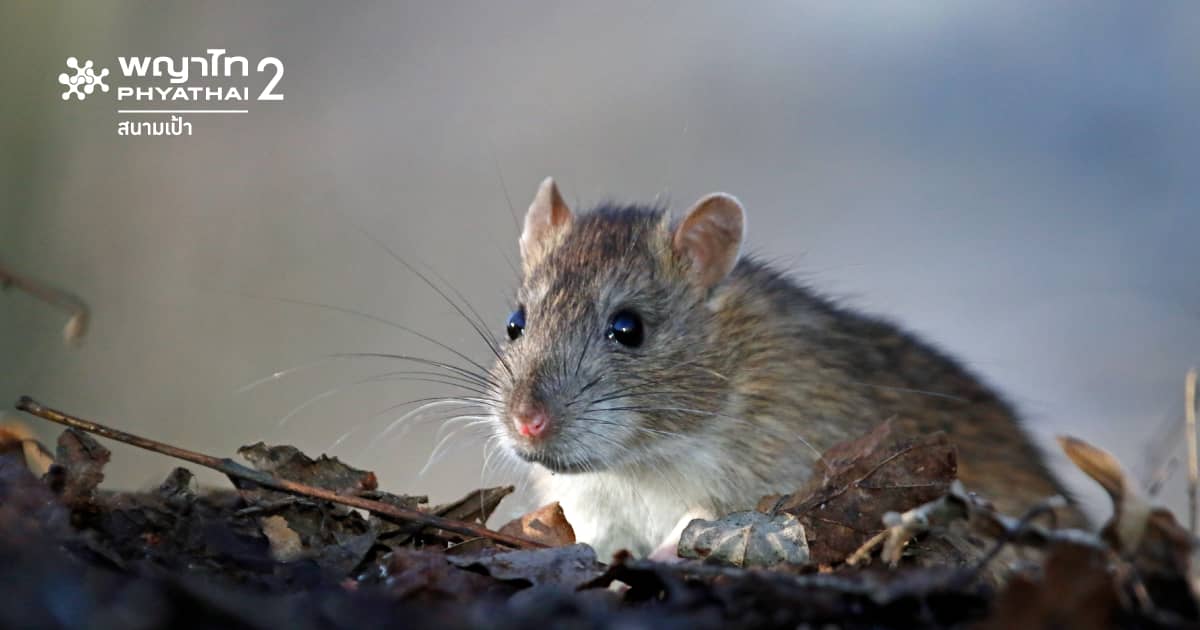
It is a bacterial infection caused by Leptospira that spreads through the urine of animals such as rats, cattle, buffalo, dogs, or other pets. The bacteria can contaminate water, soil, or mud and enter the body through small wounds or mucous membranes of the eyes and skin that have been soaked in water for a long time.
In Thailand, cases increase during the rainy season, especially in flooded areas or among agricultural workers.
Causes and Risk Factors of Leptospirosis
Risk Groups
- People wading through floods or mud without wearing boots
- Farmers, rice farmers, farm workers
- People who have direct contact with animals or animal feces
- People with open wounds who come into contact with dirty water
The bacteria can enter the body even without large wounds because skin soaked in water for a long time softens and allows the bacteria to pass through.
Symptoms of Leptospirosis
Symptoms usually appear about 2–14 days after infection and can be divided into 2 stages.
First Stage (Acute Infection Stage)
-
- High sudden fever
- Severe headache
- Muscle pain, especially in the calves and back
- Red eyes
- Nausea and vomiting
Severe Stage (Complications)
If untreated
- Jaundice (hepatitis)
- Kidney failure
- Bleeding in the lungs
- Shock
In some cases, it can be severe enough to cause death, especially in patients who seek medical care late.
How Dangerous is Leptospirosis??
Although some cases are mild and recover on their own, about 5–10% of patients may enter the severe stage, known as Weil’s disease, which involves combined liver and kidney failure.
Diagnosis of Leptospirosis
Early diagnosis and treatment within the first 3–5 days can reduce the mortality rate.
- History of wading through water or animal contact
- Clinical symptoms
- Blood tests
- Specialized bacterial detection tests
Providing a history of wading through water or working in risk areas is very important as it helps doctors diagnose faster.
Treatment of Leptospirosis Can be treated with antibiotics if given early
- In mild cases, oral medication and symptom monitoring
- In severe cases, hospitalization, intravenous medication, and close monitoring of liver, kidney, and lung function
Seeing a doctor as soon as fever starts after wading through water can help prevent severe complications.
How to Prevent Leptospirosis
- Wear boots when wading through water or mud
- Avoid soaking in water for a long time
- If you have wounds, keep them well covered
- Shower and clean your body immediately after contact with floodwater
- Control the rat population at home and workplaces
If you have a fever within 2 weeks after wading through water, see a doctor immediately.
Leptospirosis is common during the rainy season, especially in Thailand. Observing symptoms and seeking medical care early is the key to reducing the severity of the disease.
“Fever after wading through water, don’t ignore it” because early treatment helps prevent complications that can be life-threatening.
