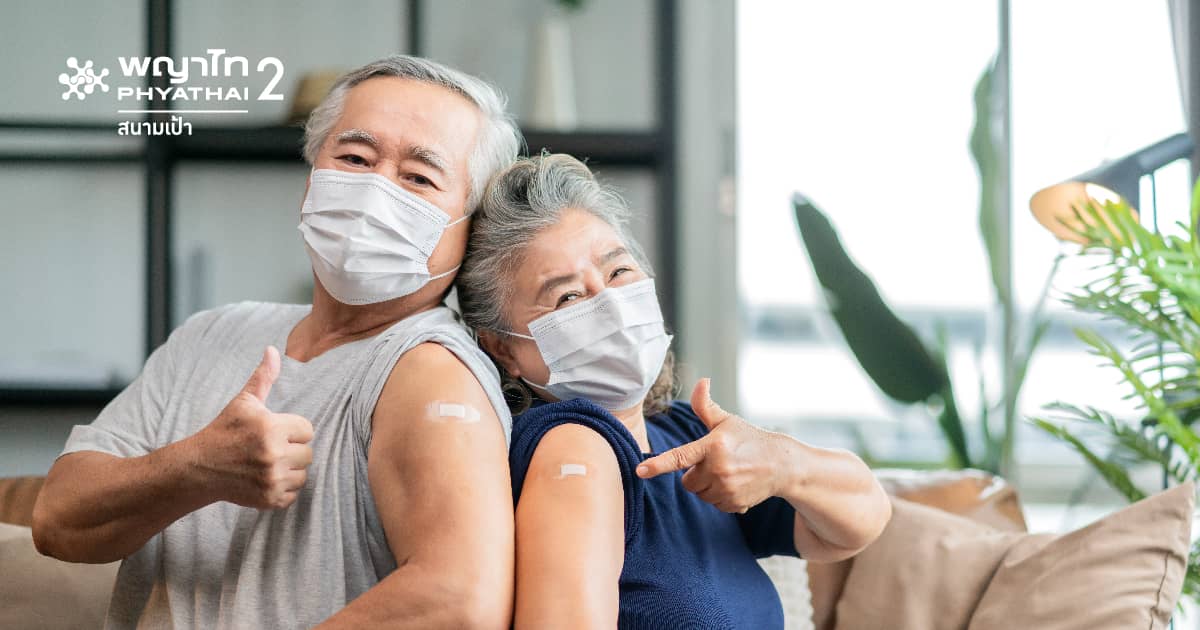
When it comes to vaccines, many may think they are only for children, but in reality, there are vaccines available for adults as well. These vaccines play an important role in preventing infections, reducing the severity of diseases, and lowering the chances of various complications. One of the vaccines that is recommended for the elderly—or for those aged 50 and above—is the shingles vaccine.
What is Shingles?
Shingles, medically known as Herpes Zoster, is an infectious disease caused by the Varicella Zoster Virus (VZV)—the same virus responsible for chickenpox. After a person recovers from chickenpox, the virus remains dormant in the nerve ganglia and can later be reactivated, leading to shingles. This reactivation is more common when the immune system is weakened or due to other factors, particularly in the elderly or those aged 50 and above.
Stages and Symptoms of Shingles
Shingles progresses through 4 distinct stages based on its symptoms:
- Prodromal Stage (Before the Rash Appears):
This initial warning phase is characterized by sensations such as burning, stinging, or itching in the area where the virus will later spread. - Stage 2 (Fever and General Malaise):
During this phase, patients may experience a low-grade fever, fatigue, and headaches. - Stage 3 (Rash and Blister Formation):
In this stage, a red rash develops and transforms into fluid-filled blisters within 1-2 days. These blisters tend to appear in clusters following the path of the nerves and are most commonly seen on the trunk, face, or neck, often accompanied by a burning or stinging pain. - Stage 4 (Crusting):
The blisters eventually burst and form scabs over a period of 7-10 days. After the rash heals, some patients, particularly the elderly or those with weakened immune systems, may suffer from persistent nerve pain (postherpetic neuralgia) in the affected areas.
Who is at Risk for Shingles?
- Individuals aged 50 and above: Over 90% of these patients have previously had chickenpox.
- Patients with chronic conditions: This includes those with diabetes, high blood pressure, lung disease, kidney disease, heart disease, and even those who have contracted COVID-19.
- People with weakened immune systems: This group consists of individuals with immunodeficiency due to diseases or immunosuppressive medications. Examples include patients who have undergone bone marrow or organ transplants, those with autoimmune diseases (such as SLE), rheumatoid arthritis, psoriasis, cancer patients, individuals with HIV, and those receiving chemotherapy.
- Individuals experiencing chronic stress or insufficient rest.
- Pregnant women: Rapid hormonal changes during pregnancy may weaken the immune system, and the associated stress, fatigue, or inadequate rest can also contribute.
- Those who have never received the chickenpox or shingles vaccine.
Complications and Dangers of Shingles
- Postherpetic Neuralgia (PHN):
This is the most common complication. Patients may experience a burning, stabbing pain in the area where the rash once appeared. This pain can persist for months or even years and may be either temporary or permanent. - Severe Complications:
Shingles can lead to severe complications such as bacterial skin infections, intense inflammation, abscess formation, pus, or inflamed tissue that turns into an ulcer. If shingles occurs on the face or near the eyes, it can lead to ocular shingles, causing inflammation of the cornea, conjunctiva, or optic nerve, which in some cases may result in vision loss. - Rare but Very Serious Complications:
These include meningitis, encephalitis, and facial paralysis (hemifacial paralysis). If the virus affects major nerves such as the facial nerve, it can cause temporary or permanent facial paralysis. - Increased Risk for Other Diseases:
Shingles can increase the risk of stroke and heart disease because the virus may cause inflammation in the blood vessels, potentially damaging the vascular lining and leading to vessel narrowing. - Recurrence:
Individuals who have had shingles have approximately a 6.2% chance of experiencing a recurrence.
Reducing the Risk of Shingles with Vaccination
Reducing the risk of developing shingles can be achieved by strengthening your immune system through regular exercise, getting sufficient rest, and managing stress. However, receiving the shingles vaccine is considered one of the most effective methods.
The shingles vaccine not only helps prevent the onset of the disease but also reduces the likelihood of experiencing postherpetic neuralgia (PHN). Currently, there are two types of shingles vaccines available, including:
- Recombinant Zoster Vaccine (RZV):
- Efficacy in Preventing Shingles:
- For individuals aged 50 and above: 97% effective
- For individuals aged 70 and above: 91.3% effective
- Even 10 years after vaccination, protection remains up to 89%
- Efficacy in Preventing Postherpetic Neuralgia (PHN):
- For individuals aged 50 and above: 91.2% effective
- For individuals aged 70 and above: 88.2% effective
- Vaccination Recommendations:
- For Adults and Those Aged 50 and Above: Two doses are recommended, administered 2–6 months apart.
- For Individuals Aged 18 and Above with Immunocompromised Conditions (due to diseases or medications): Two doses are recommended, administered 1–2 months apart.
- Efficacy in Preventing Shingles:
- Live Attenuated Zoster Vaccine (ZVL)
- Efficacy in Preventing Shingles:
- Ages 50–59: 70% effective
- Ages 60–69: 64% effective
- Ages 70 and above: 38% effective after 6 years
- Efficacy in Preventing Postherpetic Neuralgia (PHN):
- Ages 60–69: 65% effective
- Ages 70 and above: 66% effective
- Vaccination Recommendation:
- For individuals aged 50 and above, this vaccine is administered as a single injection.
- Important: This vaccine should not be used in individuals with immunodeficiency due to diseases or medications.
- Additional Note:
- For those who have previously received the live attenuated zoster vaccine (ZVL), it is possible to receive the recombinant zoster vaccine by administering two doses, with an interval of at least 2 months from the previous vaccine.
Limitations for Receiving the Vaccine
Age Restrictions:
The shingles vaccine is typically recommended for individuals aged 50 and above.
Those under 50 without any underlying conditions should consult with a physician before receiving the vaccine.
- History of Allergies to the Vaccine or Its Components:
- If you have a known allergy to any component of the vaccine, such as gelatin or certain antibiotics used in the vaccine, caution is advised.
- Acute Illness:
- Individuals who are experiencing an acute illness or have a fever should wait until they have fully recovered before receiving the vaccine.
- Previous Shingles Vaccination:
- For those who have previously received the live attenuated shingles vaccine, it is still possible to receive the new vaccine. However, it is recommended to consult with a physician regarding the appropriate course of action.
- Pregnancy:
- Vaccination is not recommended for pregnant women, as there is currently insufficient data to confirm the safety of the vaccine during pregnancy.
Shingles is a condition that causes significant pain and can even lead to serious or chronic complications, particularly in the elderly and those with weakened immune systems. Receiving the shingles vaccine can greatly reduce these risks. Start taking care of your health today by consulting with a healthcare professional for advice on the vaccine that best suits your age, health condition, and vaccination history. You can also schedule an appointment to receive the shingles vaccine—as well as other vaccines—at the Vaccine Center, Phyathai 2 Hospital, to enjoy a long, healthy life.
