Causes of Arrhythmia
In our heart, there is an electrical insulation between the upper and lower chambers. Once the electrical signal passes to the lower chamber, it cannot go back to the upper chamber. However, some people have an electrical pathway that allows the signal to travel back to the upper chamber. The exact cause is not yet confirmed, but it is believed to be congenital.
Types of Arrhythmia
There are two types: first, continuous arrhythmia; second, intermittent arrhythmia. It is necessary to locate the faulty point. We can detect changes in the electrical signals but cannot pinpoint the exact location. For example, patients with palpitations and rapid heartbeat often recover by the time they reach the hospital, making it difficult to detect. Those who experience fainting and palpitations are the hardest to locate. Usually, symptoms are not present during the medical visit. If symptoms occur, go to the nearest hospital immediately for an ECG test because if the palpitations have stopped, the test will be useless. If arrhythmia is detected in even one lead, it can be identified immediately.
Dangers of Allowing Abnormal Rapid Heartbeats
The faster the heart beats, the faster the blood flows to the body and brain. The longer it lasts, the worse it gets. If it is continuous, it is even more dangerous. In the early stage of arrhythmia, the heart still contracts well, but over time, the heart’s contraction weakens because contraction and relaxation require energy. If energy production is insufficient, blood pressure drops, causing dizziness and fainting.
“Symptoms” to Watch For
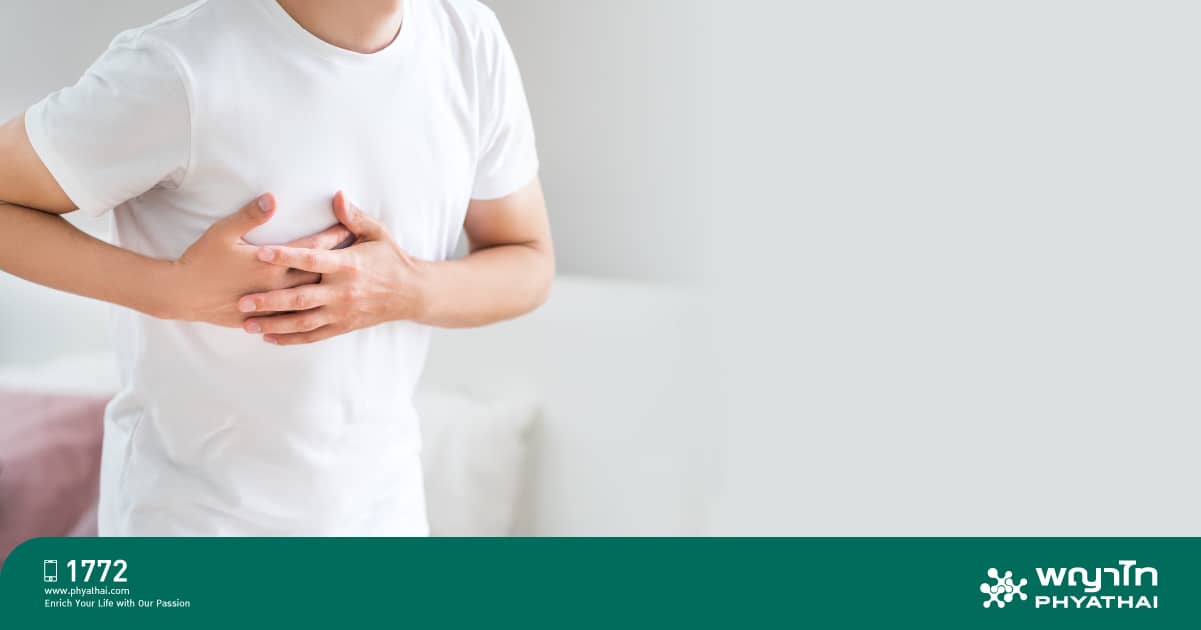
Important symptoms include unexplained palpitations, sudden rapid irregular heartbeat causing severe fatigue, sometimes so tired that the patient cannot do anything and must rest. Some feel dizzy as if about to faint or near death. Some can clearly see or feel their heart beating rapidly or visibly throbbing in the chest. If these symptoms occur frequently or with other symptoms, see a doctor immediately.
Treatment Approaches for Palpitations
There are three treatment options: first, do nothing for those with infrequent, short episodes; second, for those with longer episodes, medication is used to control symptoms. Even while on medication, symptoms may still occur. In acute cases, electrical cardioversion or injection medication is used to restore normal rhythm, followed by continued medication to prevent recurrence. This method has about a 60% success rate and is not a complete cure. Third, managing the shortcut circuit, which can be done in two ways: surgical removal of the electrical shortcut, which is more invasive, risky, and has high complications because it requires opening the chest. If the lower chamber is involved, it can cause heart failure or death. If the upper chamber is involved, surgery is needed to cut the pathway. Nowadays, this method is rarely used because it has been replaced by radiofrequency catheter ablation to destroy the abnormal electrical circuit.
How is Radiofrequency Catheter Ablation Performed?
Before reaching the heart, a vein in the leg is punctured to access the heart because this method carries the least risk. Then, catheters are placed in appropriate locations: the right atrium, the receiver between the atrium and ventricle, and the right ventricle. Surface ECG leads help us locate the exact position most accurately.
How Long Does Ablation Take? Is It a Complete Cure?
This procedure takes about 2 hours. After vein puncture, the patient must rest overnight and can then resume normal activities. This method has a 95% cure rate, with only about a 1% chance of recurrence. Complications occur in less than 1%, such as heart perforation, pulmonary embolism, or clot formation at the puncture site. These complications are rare and have never occurred in our experience. During ablation, patients do not feel pain except at the puncture site, which is not as frightening as expected. Compared to lifelong medication, which controls symptoms about 60% of the time and may still allow symptoms to occur, ablation can cure 95% of cases without the need for further medication.
