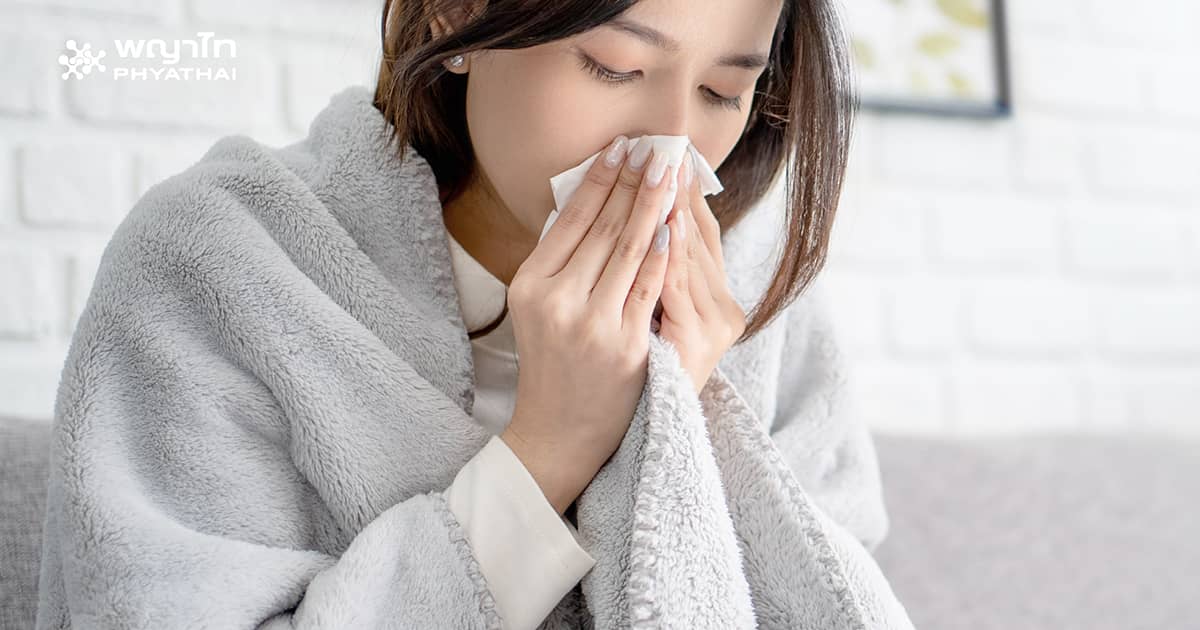
Currently, the COVID-19 virus outbreak situation continues with no one able to predict when it will end. Self-care and vaccination are important measures that everyone should follow to stay as safe as possible from this pandemic.
However, besides protecting yourself from infection, taking care of yourself or close ones who have been infected and recovered is equally important. Those who have been infected can still experience abnormal symptoms affecting physical health, mental health, and reducing life satisfaction even after recovery. This condition is called Long COVID, which can occur in children, adults, and the elderly.
What is Long COVID? What warning signs indicate Long COVID?
Long COVID, also commonly known as Post COVID, is a condition that can occur after a COVID infection. Even after 4 weeks of recovery, abnormal symptoms may still be present. The symptoms can be categorized into 3 types:
- New or ongoing symptoms from the original COVID infection
In this type of Long COVID, patients still feel shortness of breath, easy fatigue, weakness, and persistent tiredness. They may not be able to work as efficiently as usual. Some may experience cough, sore throat, chest pain, headache, loss of smell, or poor taste, which are similar to symptoms during the COVID infection. After recovery, these symptoms may recur or persist without improvement in some patients. - Inflammatory symptoms in various organs throughout the body
This Long COVID condition occurs when the body produces an immune response throughout the body after COVID infection, causing inflammation in multiple systems. It is more common in children than adults because they may not have been vaccinated due to age restrictions. This systemic inflammation after COVID infection in children is called Multisystem Inflammatory Syndrome in Children or MIS-C, which is a severe complication involving inflammation in multiple systems simultaneously. Symptoms can include fever, rash, joint pain, and more. - Side effects after severe illness due to COVID infection
This Long COVID condition occurs in patients who had severe infections and required extensive medication and long hospital stays. The effects of medication and recovery can lead to complications after recovery, such as increased stress and anxiety that may develop into psychiatric disorders, or side effects from medications used to treat the infection, mostly steroids, which can increase the risk of diabetes after recovering from COVID.
How to cope when Long COVID symptoms are found?
Each type of Long COVID symptoms varies in nature and severity. To ensure the safest care for yourself or close ones after noticing Long COVID symptoms, the following can be done:
- New or ongoing symptoms from COVID infection are a type of Long COVID that is not seriously dangerous but can be bothersome in daily life. The more the patient worries and is anxious, the worse the health impact may be, possibly causing insomnia and additional stress. Therefore, if symptoms such as cough, sore throat, easy fatigue, shortness of breath, loss of smell, or poor taste are noticed after recovering from COVID, do not worry excessively. Rest adequately and stay calm; these symptoms will resolve on their own, possibly within 3-6 months. If still concerned, consult a doctor for advice and proper examination for peace of mind.
- Inflammatory symptoms in various body systems are a high-risk type of Long COVID, especially in young children. If symptoms are observed, consult a doctor immediately. Treatment must be under close medical supervision because this is not treatment for the original COVID infection but for another serious abnormal condition.
- Post-severe COVID infection symptoms commonly include psychiatric symptoms and diabetes caused by steroid side effects during infection treatment. These require symptom-specific treatment as separate conditions. Patients with psychiatric symptoms need psychiatric care, while those with diabetes must follow diabetes management plans. However, this group is now less common due to virus mutations reducing severity and widespread vaccination, resulting in fewer severe cases requiring extensive medication or long hospital stays compared to the early pandemic period.
How to take care of yourself to be worry-free and confident against Long COVID?
Long COVID symptoms vary by type, and each group requires different care and treatment approaches. Therefore, to ensure safety after recovering from COVID and to protect yourself and loved ones from Long COVID symptoms, follow these recommendations:
- If abnormal symptoms suspected to be Long COVID appear after recovery, regardless of the symptom group, if you feel uneasy, promptly see a doctor for advice and health check-ups to confirm there are no severe or dangerous symptoms. Health check-ups should be done at least 4 weeks after full recovery.
- Ensure yourself and close ones receive complete vaccination with at least 3 doses, as vaccination helps reduce the severity of infection and lowers the risk of Long COVID. If Long COVID symptoms occur, they are usually mild and resolve naturally over time.
- Get enough rest and eat a balanced diet with all five food groups to strengthen the body and immunity against reinfection.
- Wear masks, wash hands frequently, and maintain good hygiene to prevent reinfection.
Amid the COVID-19 outbreak, we must not only protect ourselves and our close ones from infection but also take care of ourselves and family members after recovery to stay safe from Long COVID. Neglecting to monitor symptoms and care for oneself can lead to Long COVID disrupting life and harming physical and mental health.
If you notice troubling abnormal symptoms causing discomfort after recovery, seeing a doctor for advice, consultation, and health check-ups is a good practice. It helps provide reassurance, reduces anxiety, and allows you to return to a happy and fully functional life.
