Treatment of gallstones in the gallbladder and bile ducts currently includes the following methods:
1. Silent Gallstones
- Commonly found (60-80% of patients) and mostly asymptomatic
- Only 1-2% annual risk of developing symptoms or complications
- Usually no treatment is needed except in high-risk cases such as large stones (>3 cm) or porcelain gallbladder, which increases cancer risk
2. Symptomatic Gallstones
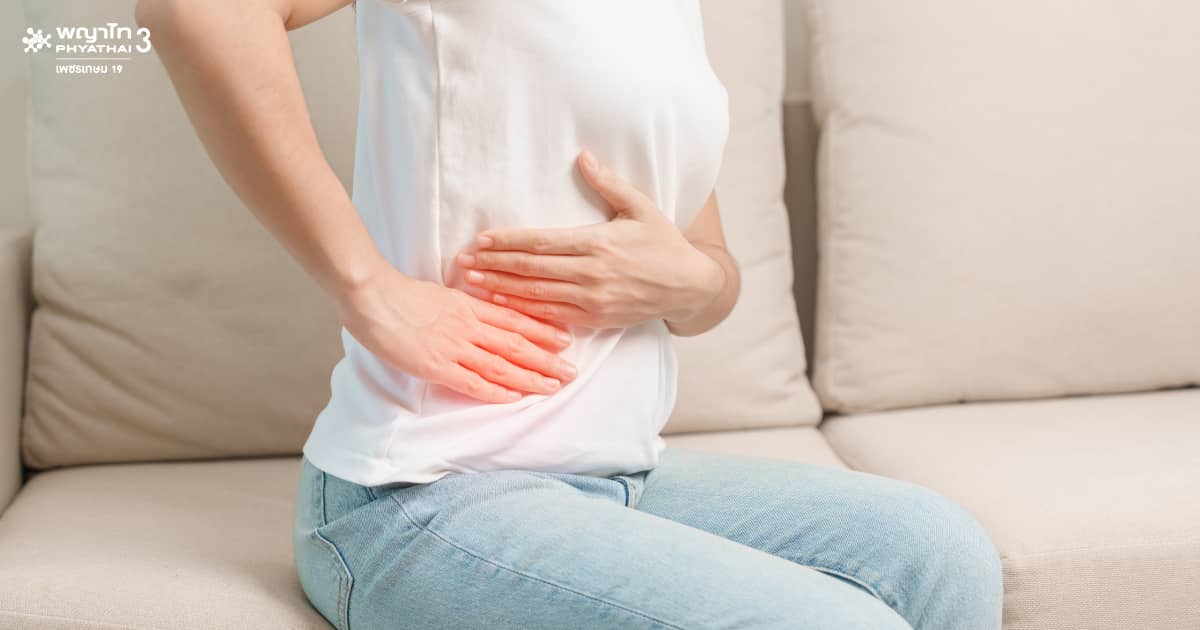
- Patients often experience pain in the upper right abdomen (Biliary Colic), which can be severe and intermittent
- If untreated, about 30% of patients will have recurrent symptoms, and 10-20% will develop complications within 5-20 years
Complications
- Acute Cholecystitis: Obstruction of the cystic duct causes inflammation, presenting with epigastric or right upper quadrant pain that does not improve, tenderness, fever, nausea, and vomiting
- Choledocholithiasis: Stones move to block the bile duct, causing jaundice or pancreatitis. It may present only with abnormal liver function tests, abnormal bile duct imaging, or pain radiating to the back
- Cholangitis: Infection in the bile duct with symptoms of jaundice, high fever with chills, abdominal pain, lethargy, or shock, which can be life-threatening if not treated promptly
- Gallbladder Cancer: Rare but risk is increased in patients with porcelain gallbladder or large stones
Treatment of Gallstones in the Gallbladder
Asymptomatic Gallstones
- No treatment is necessary except in high-risk cases such as large stones or porcelain gallbladder
- Periodic monitoring of symptoms, for example every 6 months or 1 year
Symptomatic Gallstones
Surgery (Cholecystectomy)
- Laparoscopic Cholecystectomy: This is the standard treatment for symptomatic stones, with quick recovery and small incisions. Complications are low at 1-2%. Hospital stay is 0-2 days, and patients can return to work quickly. More than 95% of patients can live normally without a gallbladder, and less than 5% experience mild indigestion after large meals, buffets, or fatty foods, but it usually does not significantly affect daily life. This is currently the most common treatment.
- Open Cholecystectomy: Used in cases of severe inflammation or complications where laparoscopic surgery is not feasible
Non-surgical Treatments
- Oral Dissolution Therapy: Such as Ursodeoxycholic Acid (UDCA), used for small cholesterol stones but requires a long treatment period, possibly several years, and has a chance of recurrence
- Extracorporeal Shock Wave Lithotripsy (ESWL): Rarely used nowadays due to high recurrence rates; reserved for very large stones or when conventional methods fail
Treatment of Complications
- Acute Cholecystitis: Treated with intravenous antibiotics and fluids, followed by gallbladder surgery within 72 hours or 6-8 weeks after inflammation subsides. Laparoscopic surgery is possible but usually takes longer, involves more blood loss, and has higher complication rates. The chance of needing open surgery is 5-10%, higher than surgery performed when not inflamed. Hospital stay is 3-5 days or longer if infection affects other organs.
- Choledocholithiasis: Treated with ERCP to remove stones, followed by gallbladder surgery to prevent recurrence within 48 hours after stone removal. Surgery can be done simultaneously or separately depending on institutional and patient readiness.
- Gallstone Pancreatitis: Treated with fluids and pain control. Most stones are small and pass spontaneously (80%), but ERCP may be needed if stones do not pass or if bile duct infection is present, followed by gallbladder removal to prevent recurrence.
- Cholangitis: Treated with antibiotics and ERCP to relieve obstruction, followed by gallbladder removal to prevent recurrence.
Prevention and Self-care
- Weight Control: Avoid rapid weight loss and maintain a normal weight range
- Diet: Eat high-fiber foods and avoid high-fat and high-cholesterol foods
- Drink Enough Water: Helps improve bile duct function
Summary
- Asymptomatic Stones: Mostly do not require treatment but should be monitored periodically
- Symptomatic Stones: Gallbladder surgery is the most effective treatment
- Complications: Require prompt treatment to prevent serious harm
- Prevention: Weight control, healthy diet, and avoidance of other risk factors
If you experience symptoms such as upper right abdominal pain, consult a doctor for proper diagnosis and treatment. Prompt treatment, accurate diagnosis, and care by a specialized medical team in a fully equipped institution with advanced, internationally standardized equipment can shorten treatment time, reduce complications, lower overall costs, and allow you to return to normal life quickly without worrying about recurrence.
Dr. Benjaporn Nantasanti
Advanced Surgical Interventional Technologies Center (ASIT)
Phyathai 3 Hospital
