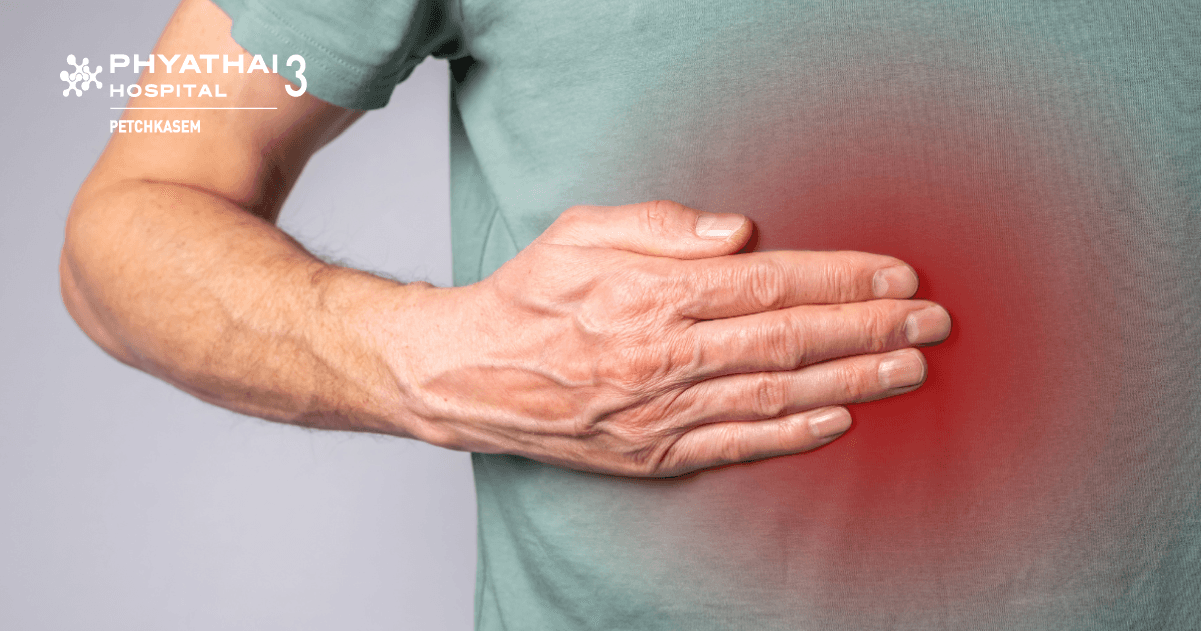
What is the gallbladder?
The gallbladder is a small, pear-shaped organ that is tucked under your liver. It stores bile, a fluid that is made in the liver and helps the body break down fat. When you eat a meal that has fat in it, the gallbladder empties the bile into a tube called the “bile duct.” The bile duct carries the bile into the small intestine to help with digestion.
What is gallbladder removal?
Gallbladder removal is surgery to remove the gallbladder. This surgery is also called “cholecystectomy.”
There are 2 main ways to remove the gallbladder:
- Laparoscopic surgery: This means the surgeon uses a “laparoscope,” a long, thin tube that has a light and a tiny camera on the end, to see inside the body. (The laparoscope is sometimes called a “scope” for short.) For this type of surgery, the surgeon makes a few small incisions. Then he or she inserts the scope through one of the incisions and other special tools through the other incisions. Next, the surgeon uses the scope and the tools to do the operation. Most gallbladder removals are done using laparoscopic surgery. Sometimes, though, open surgery is necessary because the gallbladder and bile duct are too infected or scarred to do laparoscopic surgery safely.
- Open surgery: This means the surgeon makes an incision in your belly big enough to do the surgery directly.
Why should a person have their gallbladder removed?
The most common reason is to treat gallstones. Gallstones are small stones that form inside the gallbladder. These stones can block the ducts that bile flows through. The stones can cause inflammation, pain, and other symptoms.
This article is about gallbladder removal to treat gallstones. People can also have gallbladder removal to treat cancer of the gallbladder. But if cancer is the reason for the surgery, it usually involves removing more than just the gallbladder.
What happens before gallbladder removal?
Before the surgery:
- The doctor will order blood tests to check if your liver is working normally, also will recommend you to do an imaging test called an ultrasound, which uses sound waves to create pictures of the inside of your body. This test will show if you have gallstones and if the bile duct is enlarged or blocked.
- If the bile duct is blocked by a stone, the doctor might order a procedure called “ERCP.” ERCP stands for “endoscopic retrograde cholangiopancreatography.” During this procedure, a doctor slides a tube called an “endoscope” down your throat. The endoscope has a tiny camera and a light on the end. The doctor advances the tube past your stomach and into your intestine to the spot where the bile duct empties into the intestine. Then the doctor injects a special dye that shows up on an X-ray into the ducts that lead to the gallbladder, liver, and pancreas and takes an X-ray. That way, he or she can see where the dye goes. In some cases, the doctor might also use the endoscope to remove some gallstones or widen the duct opening so that small stones can pass through.
- The doctor might give you antibiotics through a thin tube that goes into a vein, called an “IV,” to reduce the risk of infection during and after surgery.
What are the benefits of gallbladder removal?
If you have surgery to treat gallstones, the main benefit is that it will make your symptoms go away.
What are the risks of gallbladder removal?
The risks of the surgery are low, but they can include:
- Damage to other bile ducts near the gallbladder
- Bile leaks
- Bleeding
- Damage to the bowels
- Infection
- Leaving gallstones “trapped” in the bile duct (which would need to be removed with ERCP after surgery)
In some cases, a person will continue to have belly pain even after the gallbladder is removed.
What will my recovery be like?
Recovery is a little different depending on whether you have laparoscopic or open surgery.
- If you have laparoscopic surgery, you will probably be able to leave the hospital the same day. But there is a chance you will need to stay overnight. Even though the cuts on the belly are small, the operation inside was the same as if you had open surgery. The doctor will want you to rest and avoid heavy lifting, sports, and swimming for at least a week.
- If you have open surgery, you will probably stay in the hospital for 1 to 2 days. While there, do your best to start walking as soon as possible. Also, do the breathing exercises that your nurse recommends. After you go home, you should be able to do most of your normal activities, but you should avoid heavy lifting, sports, and swimming for a few weeks.
If you are taking narcotic pain medicine during recovery, you might get constipated. Take a stool softener to prevent this problem.
If you develop any of the following symptoms in the weeks after surgery, call doctors:
- Fever or chills
- Redness or swelling around the cuts from your surgery
- Nausea or vomiting
- Cramping or more severe belly pain
- Bloating
- Yellow skin or eyes
- Urine that is very dark in color
How will surgery affect how my body breaks down food?
The surgery does not affect digestion very much. But about half the people who have surgery have mild symptoms afterward, including loose bowel movements, gas, or bloating. These symptoms usually get better.
y are. Certain foods can also make you have more gas. The foods that can affect your bowel movements and gas are listed in the table.
What will my life be like with a colostomy?
