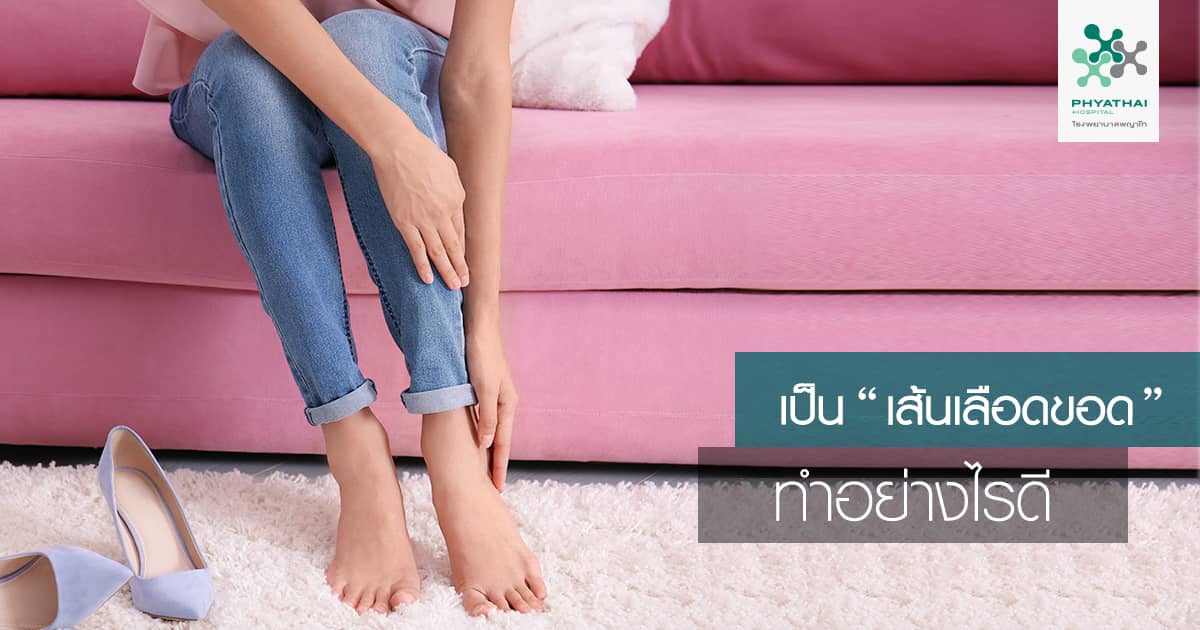
Many people may not realize that sitting in a car or at a desk for long periods without getting up or changing position can unknowingly harm your legs and feet. Prolonged sitting is a primary cause of varicose veins, as it prevents blood from circulating back up to the heart effectively. This can lead to the development of varicose veins.
Varicose veins occur due to abnormalities in the valves and walls of the veins. Normally, when we stand, gravity pulls blood downward, increasing pressure in the veins of the legs compared to the upper body. If there is a blockage in the vein valves or inflammation of the vein walls, it can cause blood to pool in the peripheral veins. This pooling leads to the abnormal dilation of the veins just beneath the skin, resulting in varicose veins.
What Are the Symptoms of Varicose Veins?
People with varicose veins often notice visible symptoms, including swollen, dark green veins that twist and bulge, typically appearing around the ankles, calves, thighs, hips, and even the abdomen. When pressure is applied, these areas may feel painful and tight, especially prior to menstruation when symptoms can intensify.
In more severe cases, standing or sitting in the same position for hours can lead to leg pain and swelling in the feet. This occurs due to the accumulation of blood and lymph fluid, resulting in unusual muscle cramps, especially at night, and itchy skin in the affected areas. If left untreated, inflammation can lead to the rupture of veins, which can be dangerous.
Who Is at Risk?
Varicose veins are most commonly found in women aged 40 to 50, older adults, obese individuals, and pregnant women. Additionally, a family history of varicose veins increases one’s risk of developing this condition.
Younger individuals can also be at risk, particularly those in occupations that require prolonged standing or sitting, such as receptionists, waitstaff, dentists, retail workers, and office employees.
What to Do If You Have Varicose Veins
- Avoid Prolonged Sitting or Standing: Remaining in one position for too long increases pressure in the veins, leading to pain. Change positions frequently to promote better blood flow.
- Exercise Regularly: Engage in age-appropriate exercises like aerobics, yoga, or walking. This enhances muscle flexibility and improves the function of vein valves, facilitating better blood circulation.
- Steer Clear of Tight Clothing: Wearing restrictive clothing can impede blood flow and strain the venous system. Opt for comfortable attire to support circulation.
- Elevate Your Legs: When resting, elevate your legs above heart level using a pillow. This simple action encourages better circulation, reduces pain, and can diminish the appearance of varicose veins.
Non-Surgical Treatments for Varicose Veins
Most doctors recommend non-surgical treatments to relieve pain and swelling rather than for cosmetic purposes. If varicose veins are mild, topical creams may help alleviate symptoms. For more significant discomfort, doctors may suggest injecting medication directly into the affected veins. This helps dissolve hardened or narrowed blood vessels, allowing blood to reroute to healthier surrounding veins. However, this isn’t a one-time cure; multiple injections may be necessary for severe cases, and there’s no guarantee that new varicose veins won’t develop.
After such treatments, patients are usually advised to wear compression stockings to help tighten the vein walls until swelling decreases. When resting, elevating the legs with a pillow—keeping the knees higher than the hips and the feet above the knees—can further aid circulation and recovery.
Surgical Treatments for Varicose Veins
Surgery is considered when varicose veins cause significant blockage and pose risks to other organs. Patients receive anesthesia before the procedure, during which surgeons may tie off and remove part or all of the affected vein. Post-surgery, patients can expect some swelling, bleeding, or pain at the incision sites and will need to wear compression garments for about 6 to 8 weeks to support recovery.
Important Considerations
Regardless of the method used, no treatment can guarantee that new varicose veins won’t develop entirely. Doctors may recommend a combination of treatments to maximize effectiveness. Additionally, if patients continue to stand or sit for prolonged periods, there’s a heightened risk of developing varicose veins again.
Understanding the available treatment options can empower individuals to make informed decisions about managing their varicose veins and maintaining their overall vascular health.
Dr. Phongtawan Kunlayaphruk
General Surgeon and Vascular Surgery Specialist
Advanced Surgical Technology Center (ASIT)
Phayathai 3 Hospital
