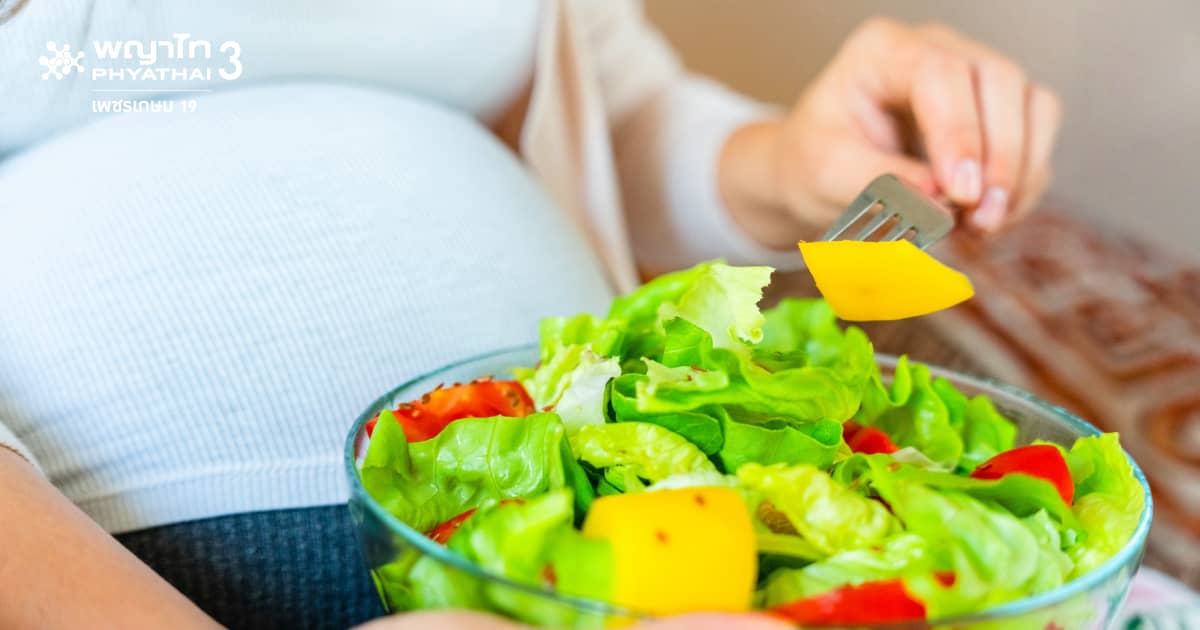
As the Vegetarian Festival approaches, many pregnant mothers may have questions about whether they can eat vegetarian food during pregnancy. Today, we will clarify which types of vegetarian food should be avoided and, if choosing to eat only vegetarian food, which types should be emphasized.
During the First Trimester (Pregnancy before 14 weeks)
This is the period when the fetus is developing organs. Eating vegetarian food has not been reported to cause fetal abnormalities if the mother receives adequate nutrients, including vitamins and folic acid.
However, during this period, many mothers have reduced appetite and experience morning sickness. Consuming fried or oily vegetarian foods can worsen morning sickness and reduce appetite. Additionally, eating certain vegetables and fruits that cause gas, such as cruciferous vegetables and beans, can increase bloating in mothers who are already prone to it, which may further aggravate morning sickness.
During the Second and Third Trimesters (After 14 weeks onwards)
This period is when the fetus grows rapidly. If the fetus does not receive enough nutrients, it will use the mother’s protein before other nutrients. Normally, pregnant women require more protein than the general population, with a daily protein requirement of 1-1.1 g/kg/day throughout pregnancy.
Therefore, if a mother wants to eat vegetarian food, it is recommended to consume plant-based protein foods to meet the daily protein requirements to prevent issues such as fetal growth restriction or low birth weight. Additionally, during the second trimester (especially between 24-28 weeks of pregnancy), pregnant women may develop increased insulin resistance, leading to abnormal carbohydrate and sugar metabolism, which can result in gestational diabetes.
Thus, foods high in sugar or carbohydrates should be avoided, especially for mothers at risk of diabetes, those with gestational diabetes, or those who are overweight before pregnancy or gain excessive weight during pregnancy.
Table Showing Protein Content from Grains

In summary, vegetarian foods that pregnant women should avoid include fried and oily foods, as well as foods high in carbohydrates and sugar. Additionally, pregnant women should receive complete nutrients and vitamins, especially ‘protein,’ which is a crucial factor for fetal growth.
Dr. Linlada Wichakornururoj
Obstetrician and Gynecologist specializing in Maternal-Fetal Medicine
At the Women’s Health Center
