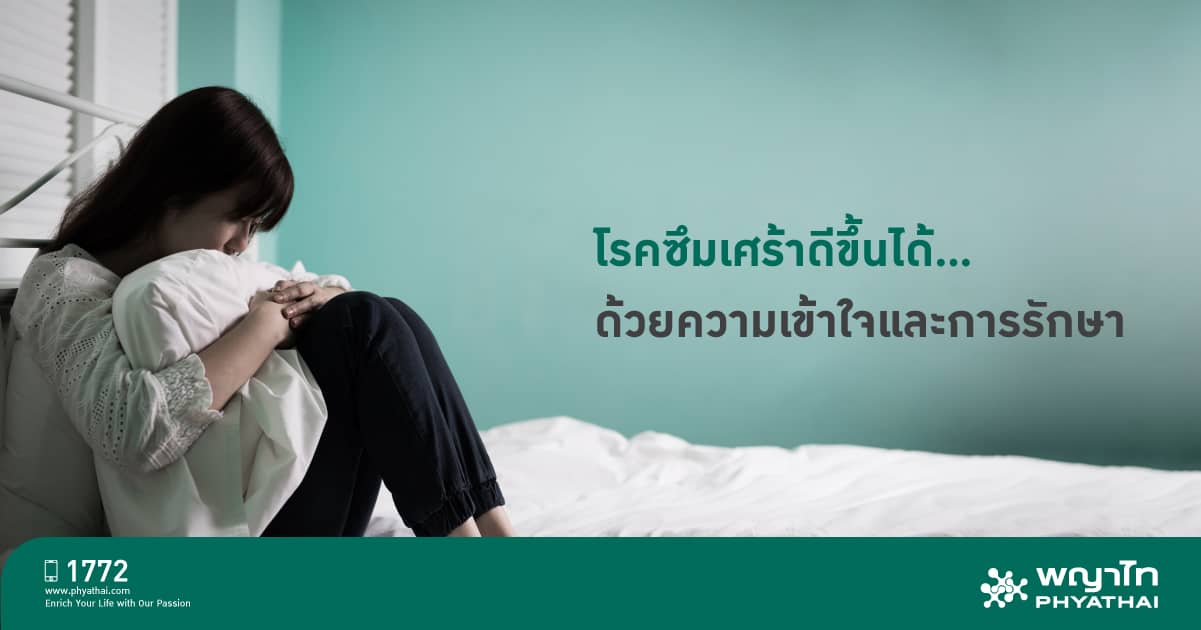
The surrounding situation, whether good or bad, always affects the feelings of those who encounter it. Some words, some actions, or some events may hurt “the mind” of someone or ourselves without us even realizing it.
Many people often do not know that someone close to them is suffering from depression, and many others do not realize that they themselves are suffering from depression, which is very concerning because depression can have enormous long-term harmful effects.
What is Depression?
Depression is a type of psychiatric disorder caused by abnormalities in three neurotransmitters in the brain: serotonin, norepinephrine, and dopamine. This results in abnormalities in both emotions and thoughts, causing behavioral changes that affect daily life. Anyone who has symptoms or suffers from this disorder should receive proper and appropriate treatment just like any other illness.
Causes and Triggers of “Depression”
Besides brain chemicals related to emotional states, there are other factors that can trigger depression as well.
- Genetic Causes
If someone has family members with depression or emotional disorders, the risk of developing depression is higher than the general population. However, not everyone will develop depression because environmental factors, surrounding situations, and individual lifestyle behaviors also play a role. - Physical Illness
Besides the body having to endure illness, patients also experience stress and anxiety about their condition, whether it is the severity of the disease or the treatment methods. Chronic illnesses especially increase the chance of depression. Therefore, if someone close to you has a chronic illness, it is important to care for and pay attention to their mental health just as much as their physical health. - Gender and Hormones
It has been found that “women” are more likely to experience depression than men, especially during periods of hormonal fluctuations or abnormalities that can cause rapid emotional changes, such as during pregnancy or postpartum, menopause, or some women before menstruation may experience psychological disorders. If severe, these can trigger depression. - Life Events
Many life events, both good and bad, can trigger depression, especially those that impact the mind, such as the loss of a loved one, divorce, financial stress, or work stress. Even very happy events that cause rapid emotional changes can also lead to depression. - Rest
Insufficient rest or chronic sleep problems can increase the risk of depression. - Seasons
During winter, nights are longer than days. Many people tend to feel down during this time, feeling lethargic, tired, and lacking enthusiasm for daily life. This condition is called seasonal affective disorder (SAD), but symptoms improve when the season passes.
- Other Factors
There are many other factors that can trigger depression:- Disliking social interactions, preferring to isolate oneself from society
- Being abandoned or abused during childhood
- Lack of self-respect
- Regular alcohol consumption or use of certain drugs, such as sleeping pills
“Depression” Can Be Cured, Just Understand the Disease
Depression is a treatable disease, but it requires proper and appropriate treatment. Symptoms and impacts must be assessed to evaluate severity, review underlying diseases, medications taken regularly, and daily life. Then, a specialist will determine the appropriate treatment. Therefore, if you suspect that you or someone close to you shows signs of depression, you should see a doctor immediately because early treatment increases the chances of faster and better recovery.
- Psychotherapy Treatment
Some patients can be treated with psychotherapy alone, while others may require medication combined with psychotherapy. There are various types of psychotherapy, such as:
-
- Cognitive-behavioral therapy (CBT)
- Supportive psychotherapy
- Interpersonal therapy (IPT), etc.
The therapy method should be chosen according to the patient’s suitability. Studies have found that treatment combining medication and psychotherapy is the most effective.
- Medication Treatment
Antidepressant medications are used to help balance neurotransmitters in the brain. The duration of treatment depends on the severity of the disease and may be combined with psychotherapy. It is crucial not to stop medication on your own and to follow the doctor’s instructions strictly because reports show that stopping medication prematurely can cause relapse in up to 80% of patients. - Other Treatments
-
- Transcranial magnetic stimulation (TMS)
Suitable for patients who do not respond to medication or have contraindications to medication. This treatment uses a device that emits magnetic waves through the scalp to create a magnetic field that induces electrical currents to stimulate brain cells. - Electroconvulsive therapy (ECT)
- Transcranial magnetic stimulation (TMS)
These treatments are suitable for patients who do not respond to medication or have severe acute symptoms, including those at high risk of suicide.
Every day that passes… we never know what others have experienced. Therefore, we should always be considerate of the feelings of those around us because some things… some words may hurt someone’s mind and cause wounds without us realizing it.
…Don’t let “depression” erode the happiness of your loved ones and yourself…
