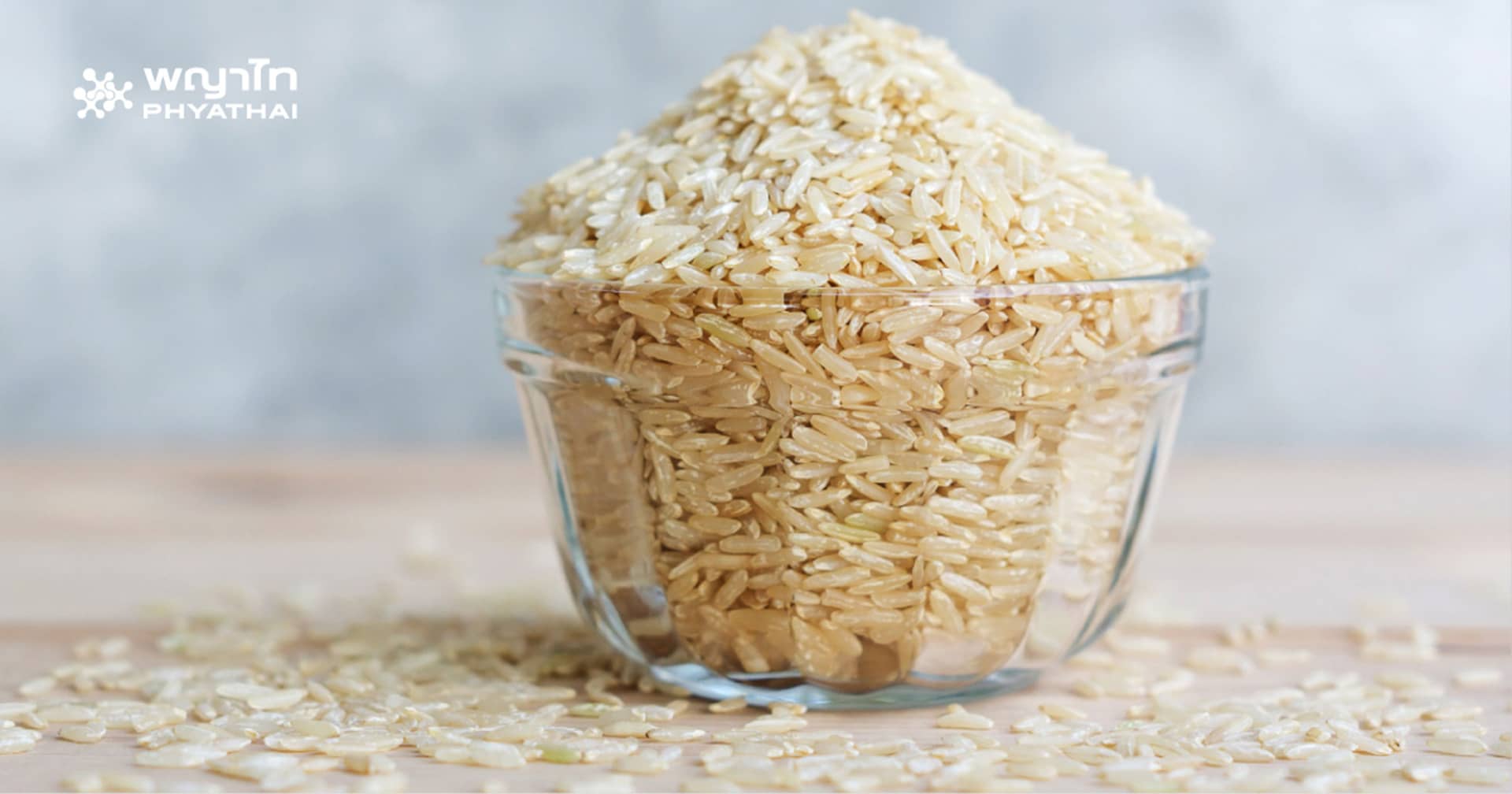
Eating brown rice, also known as “whole grain rice,” offers numerous benefits for both the baby and the mother’s health during pregnancy. Brown rice is an unpolished grain, retaining more nutrients compared to polished white rice. It provides a complete package of essential nutrients like protein, vitamins, and minerals. Let’s take a closer look at its benefits:
- Prevents nutrient deficiencies: Regular consumption of brown rice helps prevent beriberi and mouth ulcers, thanks to its high vitamin B2 content.
- Alleviates fatigue: It can help relieve fatigue, as well as pain and discomfort in the legs, calves, and muscles.
- Rich in iron: Brown rice contains twice as much iron as white rice, which helps prevent anemia.
- Promotes bone and tooth health: Phosphorus in brown rice supports the growth of bones, teeth, and hair.
- High in calcium: Essential for pregnant women, calcium in brown rice helps strengthen bones and prevent cramps, which affect over 90% of pregnant women.
- Contains healthy fats: The good fats in brown rice provide energy without cholesterol.
- Aids digestion: High in dietary fiber, brown rice helps prevent constipation and reduces the risk of colon cancer.
- Packed with vitamins and minerals: Brown rice contains over 20 different vitamins and minerals that help the body function efficiently.
- High in protein: With 20-30% more protein than white rice, brown rice supports body building and cell repair.
- Lower in carbohydrates: Brown rice has fewer carbs than white rice, which can help with weight management. It also enhances the mental well-being of pregnant women by promoting a healthy, energetic, and cheerful body.
Given its many benefits, try incorporating brown rice into your meals. The more regularly you eat it, the better. If you’re new to brown rice and find it less soft than white rice, try mixing it with white rice to ease the transition.
