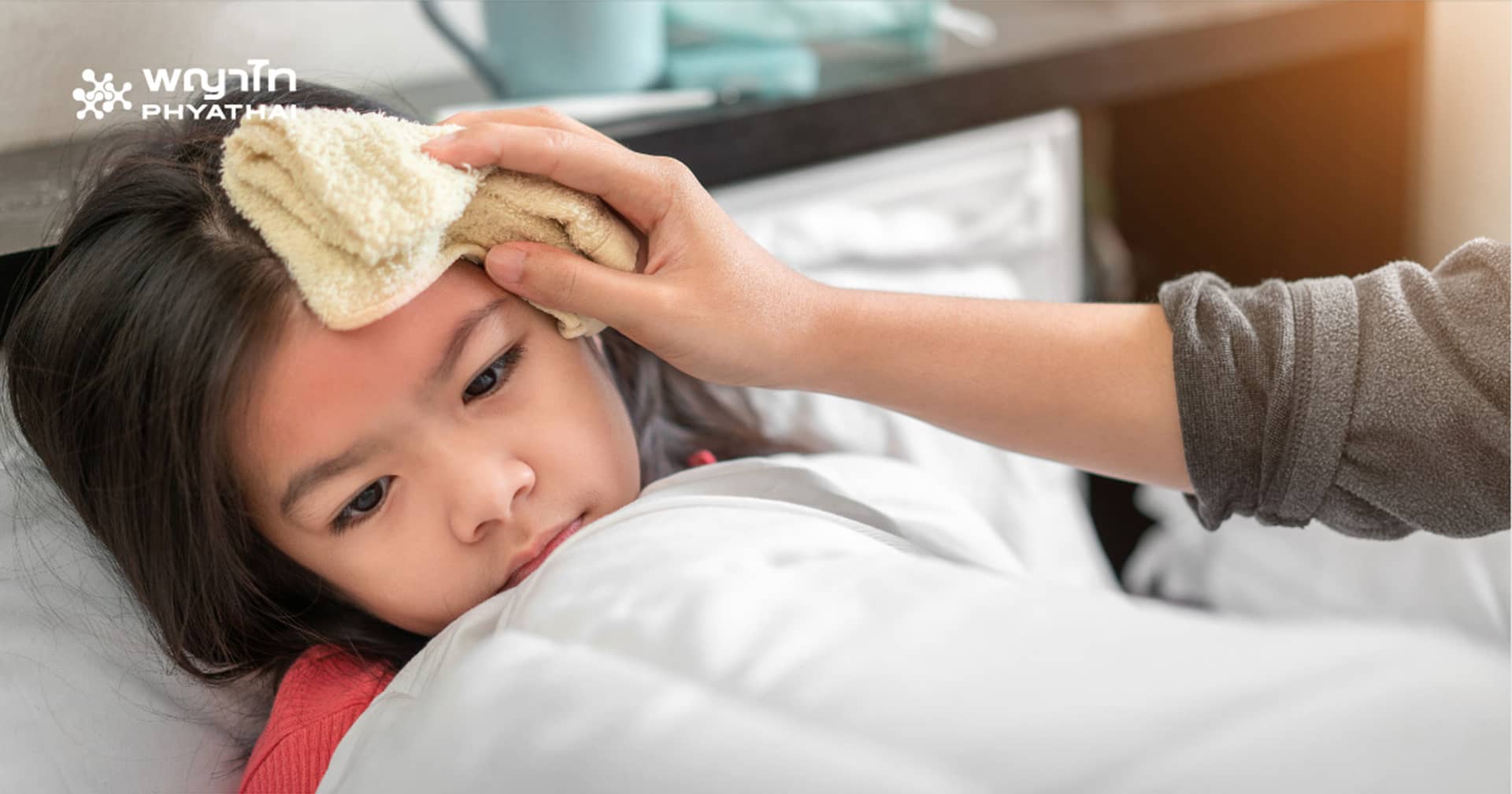
Febrile seizures occur in children with a high fever due to an illness, which could range from a common cold or diarrhea to more severe conditions that cause fever, such as meningitis, head injury, exposure to toxins, genetic disorders, or brain tumors. These seizures are most commonly seen in children between the ages of 1 and 3 years because their brains are easily stimulated by high temperatures. Any illness that causes a high fever can lead to seizures, and there may be a family history where the child’s parents also experienced febrile seizures as children.
What to do when a child has a seizure
- Stay calm: Try to remain calm and not panic, as this will help you respond effectively.
- Call for help: Alert others in the house or nearby to assist and prepare necessary supplies.
- Ensure safety: Place the child in a safe area, such as on a flat surface or bed. Someone should stay with the child at all times during the seizure to prevent falls or further injury.
- Position the child: Lay the child on their side, or on their back with the head turned to one side, to prevent choking.
- Remove objects from the mouth: If there is food in the child’s mouth and it can be easily removed, gently take it out.
- Avoid inserting objects into the mouth: Do not place any objects in the child’s mouth. The risk of the child biting their tongue is low, and trying to insert objects could cause broken teeth or bleeding, which could block the airway and increase danger.
- Cool the child down: Remove the child’s clothing and quickly wipe them down with a warm, damp cloth to reduce the fever, which can help stop the seizure more quickly, typically within 5-10 minutes.
How to wipe the child down
- Environment: Avoid drafts when wiping the child down. If in an air-conditioned room, turn off the air conditioning. Use a basin of warm or regular water, not cold water, and have two towels ready.
- Wiping procedure: Undress the child completely and use one towel, dampened but not soaked, to place on the creases of the elbows and knees. Wipe from the extremities (hands and feet) towards the heart. Recheck the child’s temperature after wiping them down. The fever should drop to below 38°C. The effectiveness of wiping to reduce fever improves when combined with antipyretic medication as prescribed by a doctor. After administering first aid, promptly take the child to a doctor for further evaluation.
Important notes:
- Avoid wiping the child down in a cold room or using very cold water, as this can cause blood vessels to constrict, making it harder to dissipate heat, leading to chills and a lack of temperature reduction.
- Wiping towards the heart and pausing at areas like the elbows, groin, and armpits helps release heat effectively because these areas are rich in blood vessels, and this method helps open the pores.
