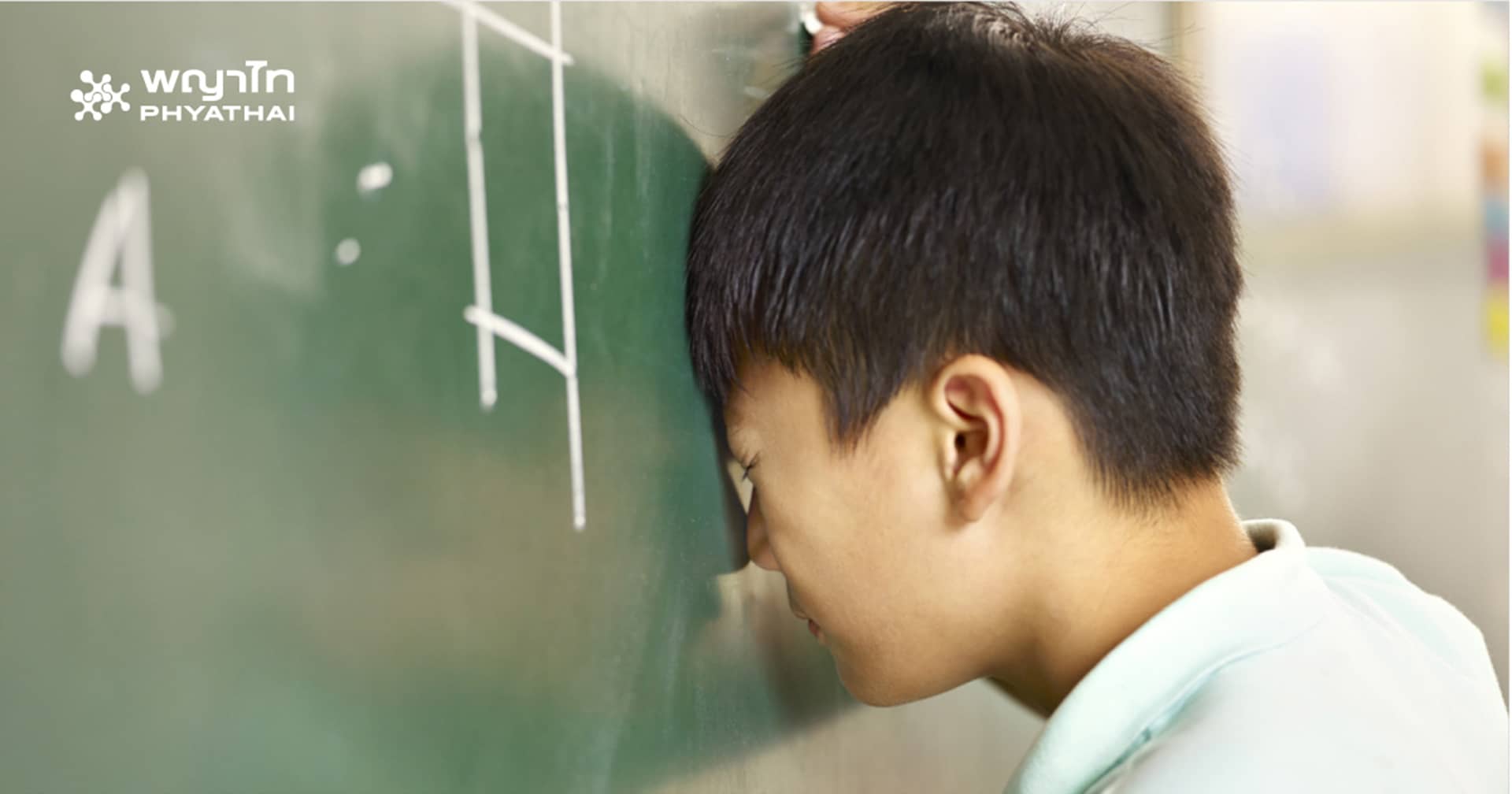
For many people, the idea of seeing a psychiatrist can be intimidating because it’s often associated with severe mental illnesses like “psychosis, neurosis, or insanity.” However, child and adolescent psychiatrists can help children, parents, and those around them in many ways. The issues and disorders seen in children are different from those in adults. Early intervention and treatment can be very effective due to the flexibility and developmental capacity of a child’s brain. Treatment helps children reach their full potential in learning and living, reducing future complications such as substance abuse, addiction to games, aggression, and school dropout.
Issues a Child Psychiatrist Can Help With
- Learning Problems:
- Failing exams
- Lack of focus in class
- Not completing assignments
- Difficulty reading or writing despite being taught
- Behavioral Problems:
- Hyperactivity
- Impulsivity
- Aggression
- Defiance
- Depression or withdrawal
- School refusal
- Lying
- Game or smartphone addiction
- Bullying or being bullied
- Substance abuse
- Associating with delinquent peers
- Changes in eating or sleeping habits
- Difficulty adapting
- Nail-biting, thumb-sucking, hair-pulling
- Bedwetting
- Sibling rivalry
- Emotional Problems:
- Anxiety
- Fear of separation
- Sadness
- Lack of happiness
- Irritability
- Emotional dysregulation
- Developmental Delays:
- Speech delays
- Unclear speech
- Difficulty being understood
- Lack of interest in playing or socializing with peers
- Poor fine motor skills
- Clumsiness
- Inadequate self-care skills for their age
- Repetitive movements or sounds (e.g., blinking, shoulder shrugging, throat clearing)
- Chronic Physical Symptoms without Clear Causes:
- Headaches
- Stomachaches
- Palpitations
- Rapid breathing
- Environmental Problems:
- Inconsistent parenting styles
- Parental conflicts or divorce
- Domestic violence
- Serious illness or accidents in close family members
Due to children’s limited understanding of their problems and their lesser language skills compared to adults, they often cannot articulate their stress or unhappiness directly. Adults can recognize issues by observing changes in behavior or deviations from the norm for their age. When children undergo assessment and treatment, psychiatrists gather history from parents and interact with children in age-appropriate ways, such as through play.
Process of Evaluation and Treatment
-
- Gathering Information:
- History taking from parents
- Conversations with the child using suitable methods
- Additional information from the school
- Diagnosis and Treatment Planning:
- Once enough information is gathered for a diagnosis and treatment plan, the psychiatrist discusses the treatment approach with the parents.
- Collaboration with relevant parties to ensure consistent support for the child, such as seeking cooperation from teachers to assist the child in class.
- Comprehensive Treatment:
- Effective treatment requires multiple methods and continuous effort, including:
- Gathering Information:
■ Medication
■ Behavioral modification
■ Environmental adjustments
■ Developmental stimulation
■ Speech therapy
■ Fine motor skills training
■ Social skills training
■ Anger management training
Observing these signs early and seeking professional help can significantly improve a child’s quality of life and development, preventing more severe problems in the future.
