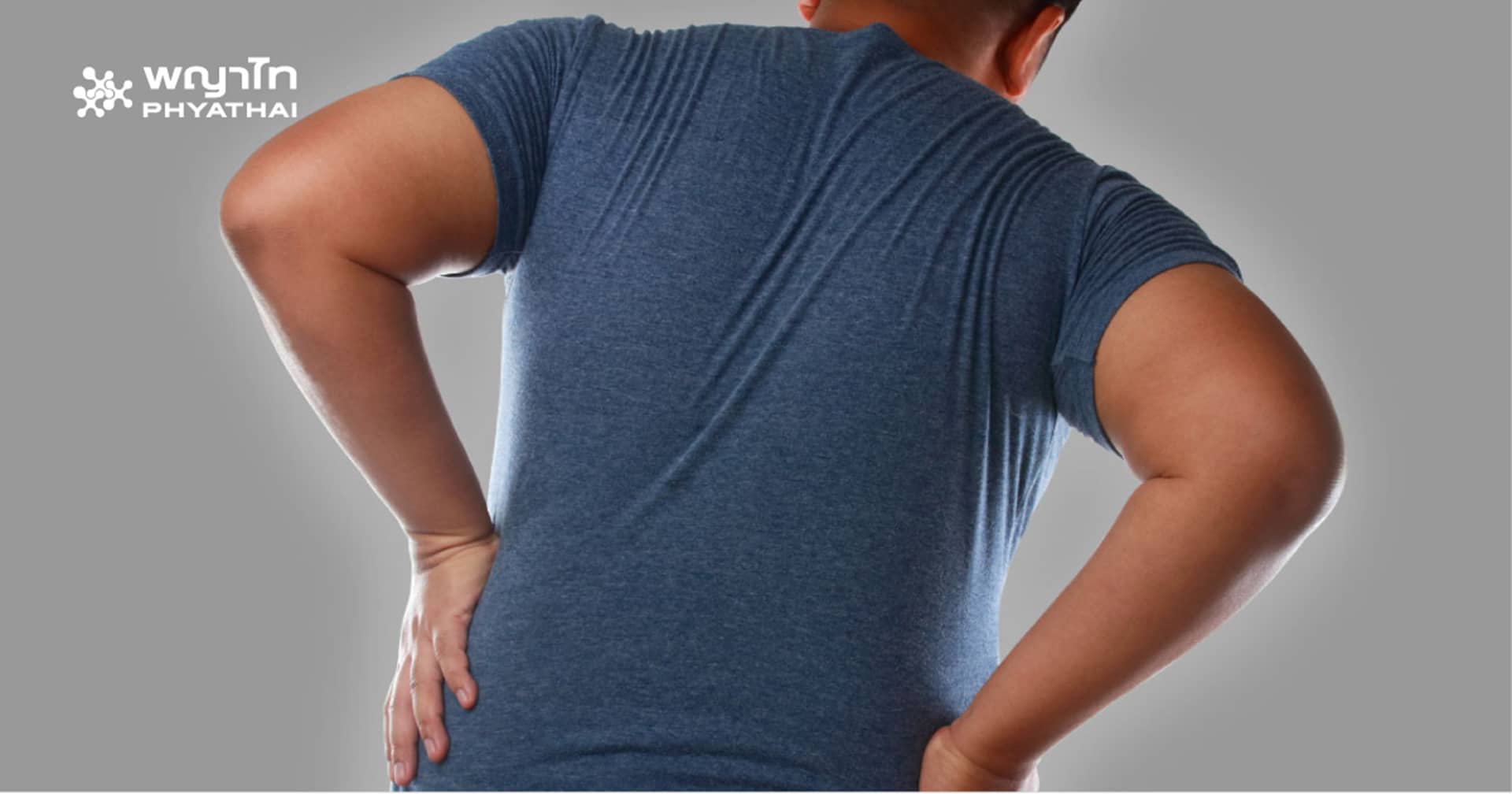
When obesity causes problems, or is called obesity with a variety of associated risk diseases, obesity is not a trivial matter to be neglected, ignored, or left to genetics to determine, resulting in obesity-related diseases because it affects a shorter lifespan and triggers diseases in various vital organs in several ways…
Diabetes
When daily life lacks exercise and consumes excessive carbohydrates and fats, it leads to obesity, which is one of the risk factors for diabetes. This occurs because carbohydrates and fats break down into fatty acids and glycerol from triglycerides, which are converted into sugar, resulting in high blood sugar levels. This causes the body to have insufficient receptors, leading to insulin resistance, beta cell dysfunction, high blood lipids, and metabolic syndrome. People with abdominal obesity have an increased risk of developing diabetes.
Studies have found that fat cells in the abdominal area of obese people secrete the hormone “Adiponectin”, which affects insulin resistance. Additionally, fat cells secrete other hormones related to diabetes and vascular inflammation, increasing the risk of diabetes and vascular diseases in obese individuals.
Cerebrovascular Disease
If the body develops insulin resistance, preventing sugar from entering cells, it results in high blood sugar levels leading to diabetes, increasing the risk of cerebrovascular disease, causing stroke and paralysis. Abdominal obesity tends to cause high blood pressure and high triglycerides with low HDL, reducing the hormone that transports fat cells into the bloodstream, leading to fat accumulation in arteries, causing hypertension and arterial stiffness, which can occur in both brain and heart arteries.
Heart
Obesity is associated with many heart diseases, such as causing high blood pressure, high blood sugar, increased blood lipids, increasing the risk of coronary artery disease and sudden death, which is 2.8 times higher than normal people.
- Risk of heart failure is 1.9 times higher
- Risk of coronary artery stenosis is 1.5 times higher
Moreover, obesity causes heart enlargement due to increased free fatty acids, leading to increased sodium reabsorption in the kidneys, raising blood pressure, increased autonomic nervous system activity, and fat cells causing abnormal hormone and enzyme functions. It is also a major cause of snoring disease, which is associated with arrhythmia, high blood pressure, and heart failure.
Fatty Liver
The main cause is usually obesity with excessive fat accumulation, some of which enters the liver, causing chronic liver inflammation, which can lead to cirrhosis in the future. Usually, there are no symptoms, but sometimes there may be mild discomfort or fullness, which is rare.
Certain Cancers
Overweight or obesity causes about 22,800 cancer cases annually (compared to smoking, which causes 54,300 cancer cases). The types of cancer caused by obesity include:
- Colon cancer
- Kidney cancer
- Liver cancer
- Ovarian cancer
Osteoarthritis
The knee is a joint that moves almost all the time and bears the body’s weight, so knee problems are common, such as knee pain, stiffness, instability, or impaired function. These abnormalities can result from various causes, such as repetitive use or heavy use in athletes, jobs requiring heavy lifting, standing, or walking for long periods, knee inflammation, and natural degeneration. Another major cause of knee abnormalities is being overweight. If left untreated for a long time, it can cause chronic pain and other complications. Studies have also found that being overweight increases the risk of degeneration in the wrist and hip joints.
Back Pain
The spine is the body’s central axis that must bear full weight in all postures, whether sitting, standing, or walking. The heavier the weight, the more the spine must bear. Especially in people with abdominal obesity, the back muscles exert more pulling force, causing excessive lumbar lordosis. Prolonged pulling can cause uneven pressure on the intervertebral discs, which may herniate or compress nerves, resulting in herniated discs compressing nerves, accelerated spinal degeneration, chronic back pain radiating down the legs, and possibly weakness.
Developmental Aspects
The impact of obesity in children ranges from mild to severe as follows:
- Delayed development such as crawling, sitting, walking, reduced curiosity in learning due to heavy weight, limited movement, or fear of falling and injury
- Bone deformities such as bowed legs, causing abnormal shape, incomplete body structure, low self-confidence, and inferiority complex from childhood
- Respiratory system problems due to fat accumulation in the abdominal wall, causing sleep-related breathing disorders
- Childhood diabetes with insulin-related conditions
Sexual Function
Common in obese men is delayed erection, sometimes poor erection, rapid loss of erection, and premature ejaculation. The main cause is insufficient blood flow to the genital area, including those who consume high-carbohydrate, sugary, fried, or high-fat foods such as milk and butter, and lack exercise leading to obesity. This results in high blood lipids, diabetes, and weakened blood vessel walls, which may impair blood circulation to organs in the body.
