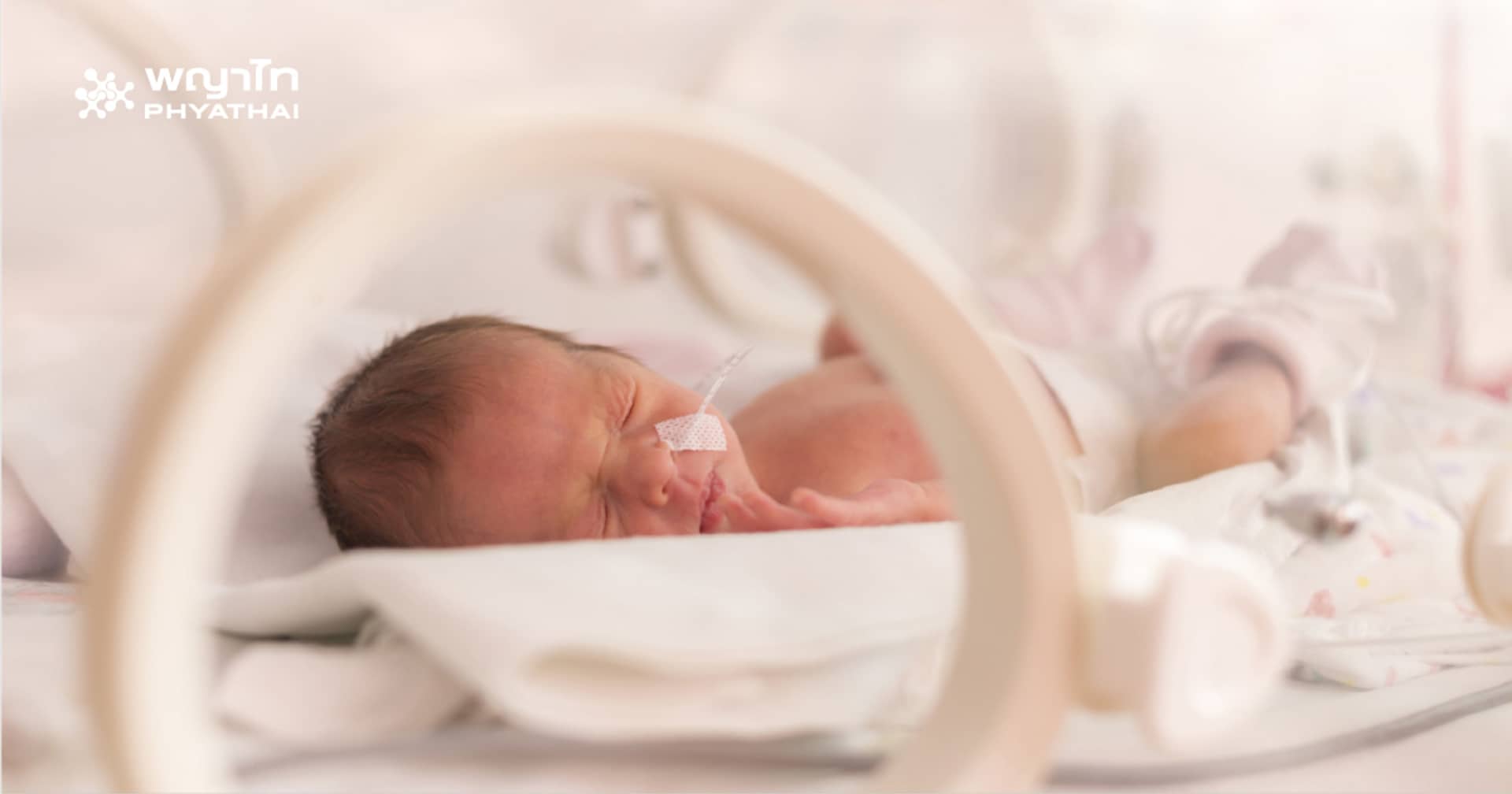
Preterm birth refers to the delivery of a baby before or at 37 weeks of gestation. Babies born prematurely are at high risk for various diseases and mortality due to the underdevelopment of their organs. The earlier the birth, the greater the risk of complications related to organ function. Statistics show that in Thailand, with an annual birth rate of approximately 800,000, the rate of preterm births is increasing, averaging 8-10% per year. This results in underdeveloped organs in the infant, necessitating specialized medical care to ensure survival and minimize long-term disabilities.
Causes of Preterm birth:
- Maternal factors: Heavy work, insufficient rest, stress, pre-existing conditions such as hypertension, heart disease, or infections during pregnancy (e.g., vaginal infections or urinary tract infections) can trigger preterm labor.
- Fetal Factors: Congenital abnormalities, genetic disorders, placental insufficiency, or cases involving twins can increase the risk of preterm birth.
Problems affecting preterm infants:
- Low birth weight
- Incomplete lung development, leading to breathing difficulties
- Brain hemorrhages, potentially leading to neurological disabilities
- High susceptibility to infections
- Incomplete intestinal development, leading to issues such as inflammation or necrosis
- Heart and vascular system issues, including an increased risk of congenital heart defects and heart failure
- Vision problems, with a higher risk of retinal disorders
Respiratory issues: Preterm infants often struggle with respiratory distress syndrome due to insufficient surfactant production, a substance that prevents lung alveoli from collapsing. This can lead to rapid breathing, chest retractions, nasal flaring, cyanosis, and potentially affect other organ systems.
Care for preterm infants: If preterm birth is imminent, doctors may administer corticosteroids to the mother to accelerate fetal lung development. Post-delivery, pediatricians assess and monitor the infant closely, potentially providing surfactant therapy and other support as needed. The medical team monitors for complications, ensuring the baby can breathe independently, maintain a healthy weight, feed properly, and regulate body temperature before discharge. Follow-up visits are scheduled every 1-2 weeks initially to monitor the infant’s health closely.
