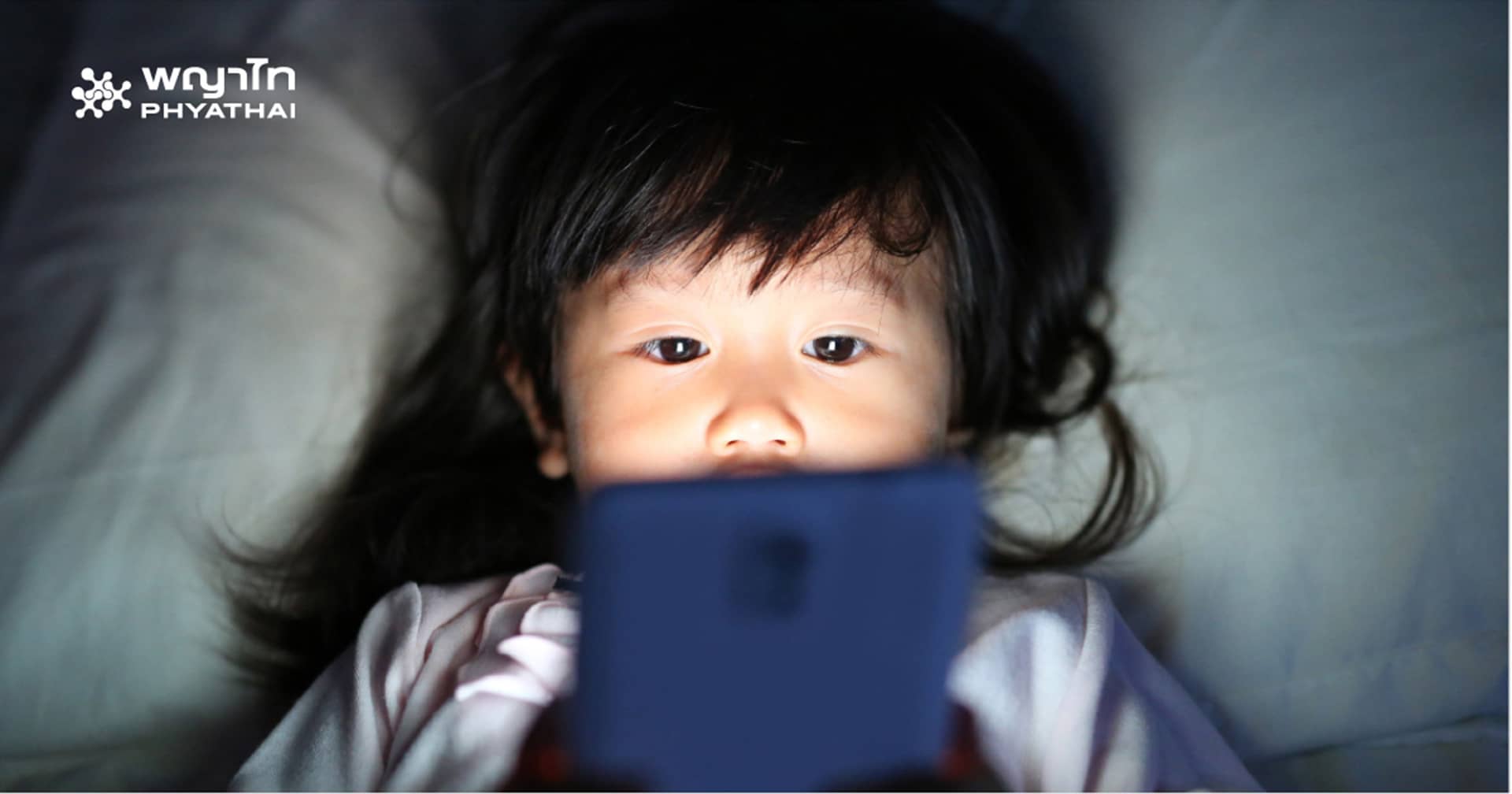
Young children are particularly vulnerable to the effects of screen light, as it stimulates brain activity more than in adults. This includes symptoms such as eye irritation, frequent blinking, and squinting, which can affect their appearance. The impact depends on the duration of use, the brightness of the screen, and the environment. Using devices in a room where the light source is behind the screen (similar to looking at a light) poses a higher risk than using them in rooms with overhead or side lighting, as the screen’s light will be less diffused and more comfortable for the eyes.
Improper positioning can lead not only to eye health issues—such as wide-open eyes, squinting, dry eyes, and eye strain—but also affect emotions and mental states, potentially increasing aggression and impatience, particularly in young children. This is due to their addiction to immediate gratification, which can lead to faster brain processing and a higher likelihood of developing myopia.
Recommendations for children using smartphones
- Frequent breaks: Encourage blinking and taking breaks to reduce eye strain from smartphones, computers, and TVs every 20 minutes (blink 8-10 times over 1 minute).
- Long-distance viewing: Look at something about 6 feet (2 meters) away for 20 seconds or count from 1 to 20 before returning to screen activities or engaging in other activities like playing or exercising.
- Screen position: Adjust the smartphone screen to eye level, with an angle no more than 10-15 degrees up or down. The distance from the screen to the eyes should be about an arm’s length.
- Screen brightness: Set the screen brightness to a comfortable level—not too bright or too dark—as dark environments can cause excessive light exposure to the eyes.
Avoid smartphone use before bed: Refrain from using smartphones for 1-3 hours before bedtime to improve sleep quality.
