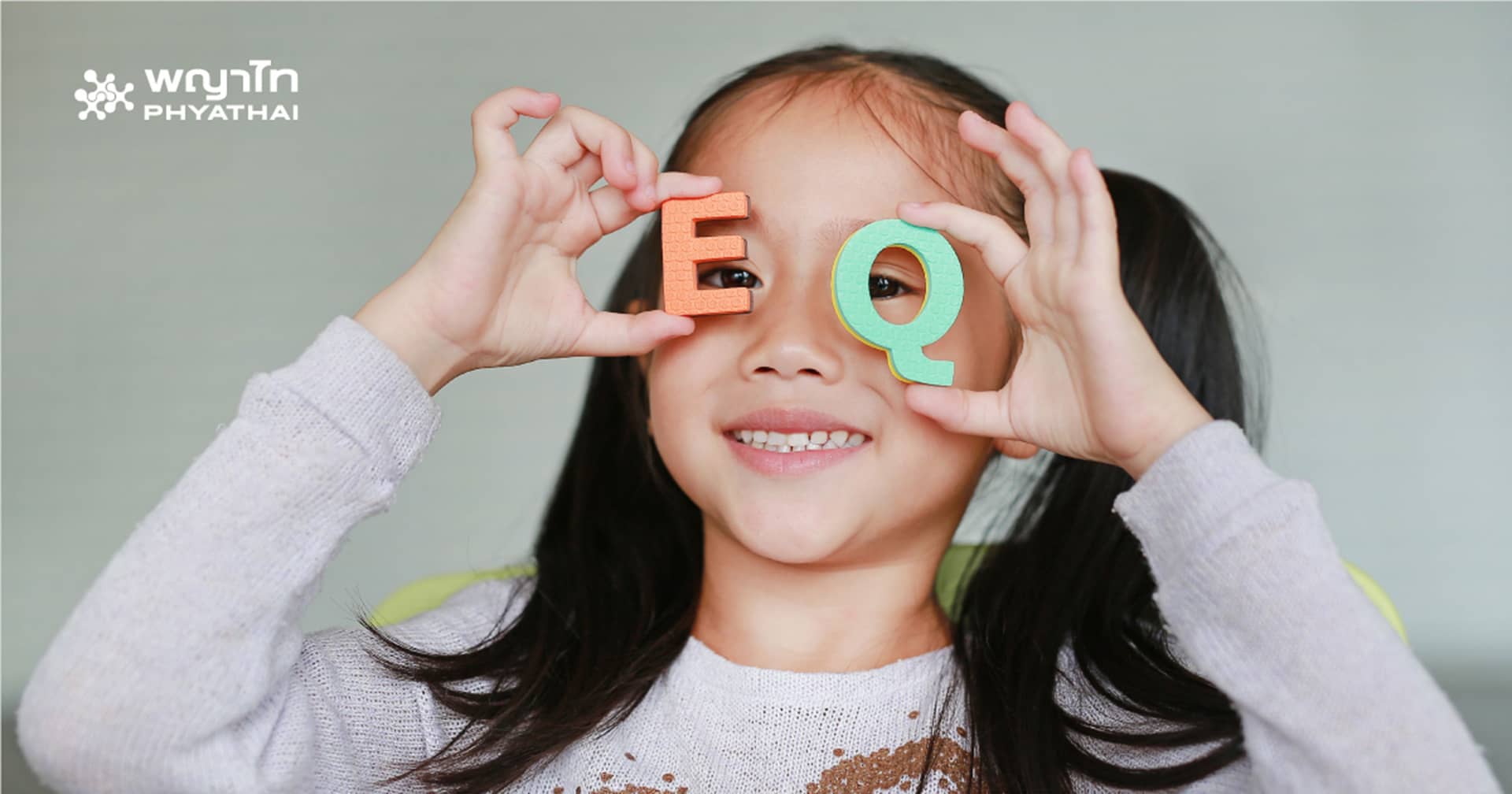
In addition to nurturing a high IQ, developing your child’s EQ (Emotional Quotient) is crucial for their overall growth. Here are some ways you can foster emotional intelligence at home:
- Model positive emotions: Parents should maintain a positive demeanor because they are the closest role models for their children. If parents frequently show anger and frustration, children are likely to absorb these emotions and become easily agitated themselves. To raise a child with high EQ who is cheerful and content, parents should practice being in a good mood, speak gently, and remain calm. This will help their children develop a positive emotional outlook.
- Encourage and support interests: Help your child discover their special talents and encourage them. Children may not immediately know their strengths, so it’s up to parents to observe and support them. For example, if your child enjoys drawing, even if the results are not perfect, support their interest and encourage them with praise and applause. This nurturing approach can help develop their EQ over time.
- Practice meditation or mindfulness: Teaching your child to meditate can improve their concentration and emotional control. Starting this practice early can help them become calm and mindful individuals.
- Encourage expression and listening: Give your child opportunities to express their feelings and listen to their thoughts. Create scenarios or questions to discuss, such as how they would handle a situation where a friend takes their toy, or why they dislike something. Let them speak their mind and discuss their feelings. Initially, this may be challenging, but with repeated practice, children will learn to manage their emotions better.
- Use sports to teach resilience: Sports naturally involve winning and losing, which can be great for teaching emotional resilience. When they win, help them learn not to expect too much. When they lose, encourage them to stay motivated and try again. Sports also help children manage their emotions, follow rules, and develop discipline.
- Address anger constructively: When your child is angry, engage in a conversation and listen to their feelings. Instead of just scolding, discuss why they are angry, explain the reasons behind their actions if they are inappropriate, and offer better ways to handle their emotions.
- Show consistent love and affection: Sometimes, children display anger to seek attention and affection from their parents. Regularly show your love and make them feel valued through smiles, hugs, and affirmations. This consistent display of affection will help reduce their anger and make them feel secure and loved.
By incorporating these practices into daily life, you can help your child develop a strong EQ, which will benefit them throughout their life.
