Believe it or not, many women still misunderstand the beliefs surrounding their menstrual period. It’s not only young girls who have just started menstruating; women who have had their periods many times also misunderstand various situations. Therefore, we have found answers to share regarding the many taboos during menstruation and what they really mean.
- Absolutely no swimming during menstruation If you want to swim during your period, you can do so by switching to tampons instead. Tampons absorb the blood flow, and you should change them before swimming. After swimming comfortably, you should change immediately and not leave them in for more than 8 hours. However, you should not swim during your period without wearing a tampon for your own hygiene and for others swimming with you. Although it is often said that water pressure prevents menstrual blood from flowing out, this is almost entirely untrue.
- Is it true? You must not drink cold water during menstruation There is no medical evidence confirming this as a prohibition. If you accidentally drink cold water during your period, it is not seriously harmful. This is just a belief passed down. During menstruation, the body loses blood, and some women may feel unwell, similar to having a fever. Drinking cold water or eating cold food might trigger illness, so it is recommended to drink warm water because warm drinks help relax and reduce stress.
- During menstruation, you must not take cold showers; only warm showers are allowed This prohibition also lacks medical evidence, similar to the cold water drinking taboo. Bathing to clean the body is important, including frequently changing sanitary pads to reduce bacterial growth. You can bathe with either cold or warm water. However, taking very cold showers during hormonal changes might cause the body to not adjust quickly, increasing the risk of illness. Warm showers can help relieve fatigue experienced throughout the day. As is well known, during menstruation, women often feel abdominal pain, leg pain, and back pain. Choosing warm showers is therefore a way to feel more comfortable.
- No sexual intercourse during menstruation It is recommended to avoid sexual intercourse during this time because the risk of contracting sexually transmitted infections is three times higher than usual. This risk occurs because during menstruation, the cervix opens to allow menstrual blood to flow out easily. At the same time, bacteria in the vagina and bacteria from sexual activity can enter the body more easily. Additionally, the iron in menstrual blood stimulates the growth of gonorrhea bacteria faster, and the shedding of the uterine lining allows bacteria to enter the bloodstream easily, potentially leading to severe and spreading infections.
Another reason to avoid breaking these taboos is that during menstruation, the immune system’s ability to fight bacteria, fungi, and viruses weakens. Normally, our body reacts immediately upon encountering pathogens and protects itself, but when the defense system is not fully functional, these pathogens can easily invade our body.
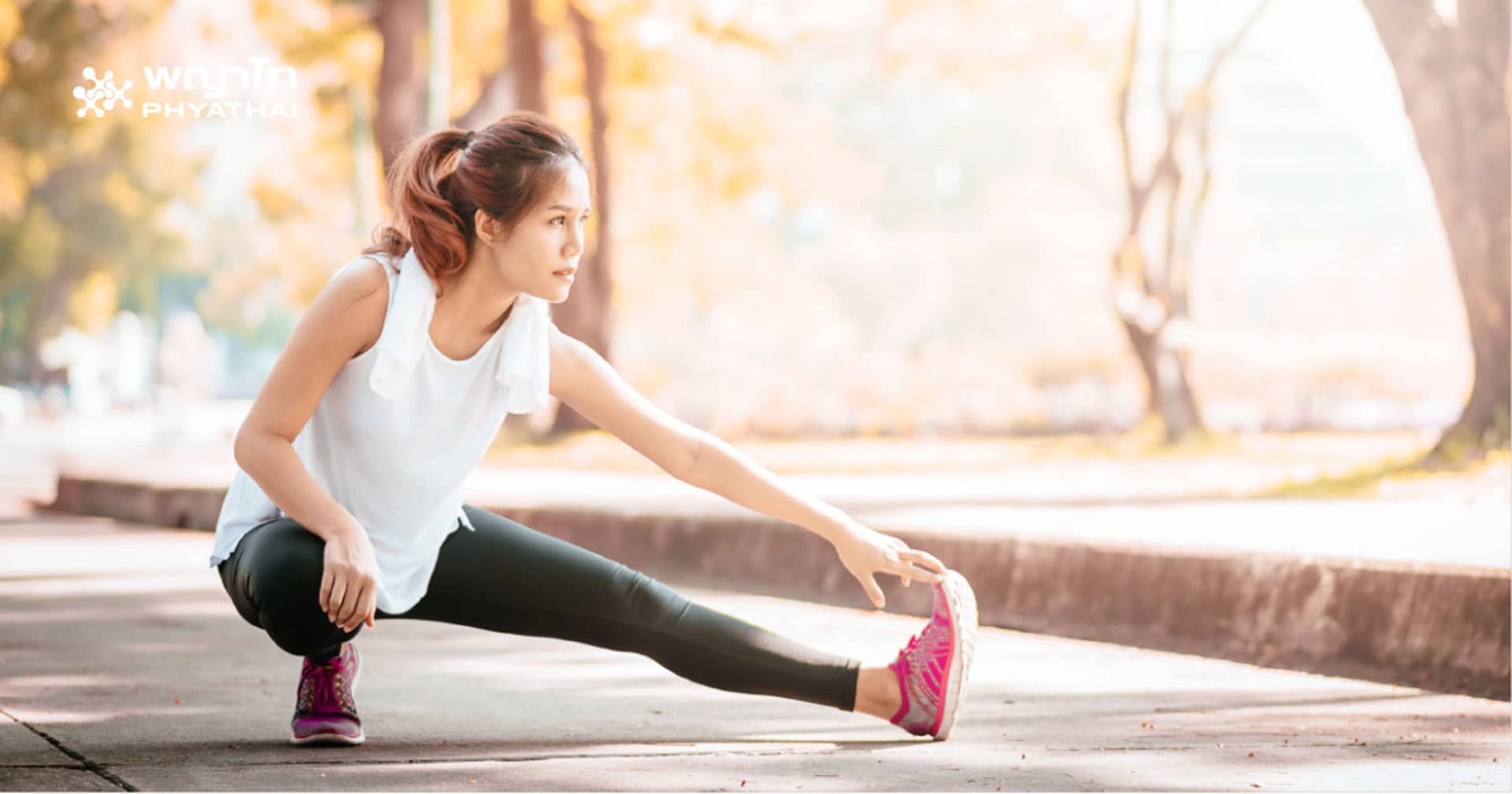
- No exercise on menstruation days It is well known that appropriate and regular exercise improves health and reduces menstrual cramps each month. However, on menstruation days, it is recommended to reduce the intensity of exercise. Avoid heavy exercise to allow blood to circulate smoothly and prevent excessive fatigue because a rapid heartbeat can increase menstrual flow, cause easy tiredness, and swimming is not recommended as a form of exercise during this time.
