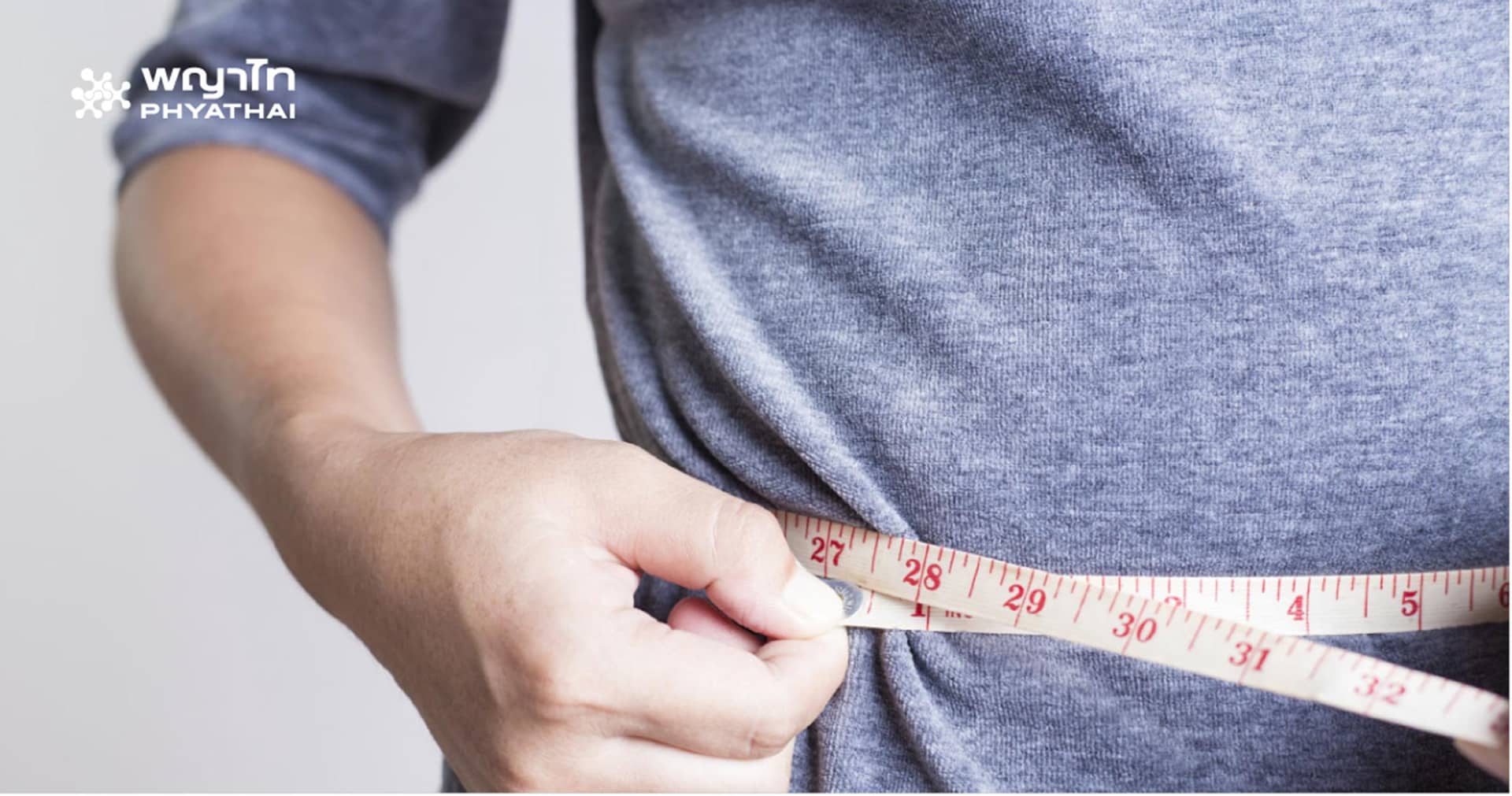
“Obesity” is a dangerous enemy that likes to attack unexpectedly. Just a little indulgence in eating can lead to comments from people around you saying you have gained weight. At this point, you should start monitoring your (waist) size before anyone else points out… that you are fat.
Where to “Measure” the Waistline
Waistline refers to the circumference of the waist measured at the level of the navel. It can indicate health risks. The correct way to measure the waistline is to use a measuring tape around the waist at the navel level, keeping it parallel to the floor, and not too tight or too loose. The appropriate waistline standard should not exceed half of your height (in centimeters). For example, a person who is 160 centimeters tall should have a waistline no more than 80 centimeters. If the waistline exceeds this standard, there is a risk of developing abdominal obesity, heart disease, high blood cholesterol, diabetes, and high blood pressure.
Checklist for Waist Measurement Techniques
- The correct measurement is at the navel level
- Incorrect measurement is measuring too tightly
- Incorrect measurement is measuring above the navel
- Waistline should not exceed half of height (in centimeters)
Reduce Belly Fat (Avoid) Disease
However, if the waistline size decreases, it will help reduce the chances and risks of various diseases. Doctors recommend the following practices for reducing belly fat/waist size:
1. Dietary Control
Women 1600 Cal, Men 2000 Cal
- Eat a balanced diet, controlling the proportion of food groups such as rice, starch, vegetables, fruits, meat, eggs, nuts, milk, dairy products, and fats appropriately each day. Women should consume about 1,600 calories per day, while men should consume about 2,000 calories per day.
- Eat breakfast every day, emphasizing it as the main meal to distribute energy intake appropriately according to the body’s needs. This also helps prevent excessive hunger in the afternoon and controls the amount of food eaten at dinner.
- Eat just enough to feel full at each meal; avoid overeating.
- Eat natural foods such as whole grains, rice, starches like brown rice, taro, potatoes, corn, and oils such as sunflower seeds, pumpkin seeds, nuts, and sesame because they are high in vitamins, minerals, and fiber.
- Eat vegetables and fruits that are not sweet, in sufficient amounts and a variety of colors including green, white, yellow, orange, purple, red, and blue to increase vitamins, minerals, and boost the immune system.
- Dinner should be at least 4 hours before bedtime because during sleep, the nervous system signals the body to rest. If food remains in the stomach, it can cause acid reflux and increase fat accumulation.
- Avoid sweet, fatty, salty foods or foods high in fats, oils, margarine, sugar, starch, and salt such as cakes, cookies, fried potatoes, roti, and pickled foods.
2. Regular Exercise and targeted fat reduction exercises such as hula hooping, sit-ups, and plank exercises.
