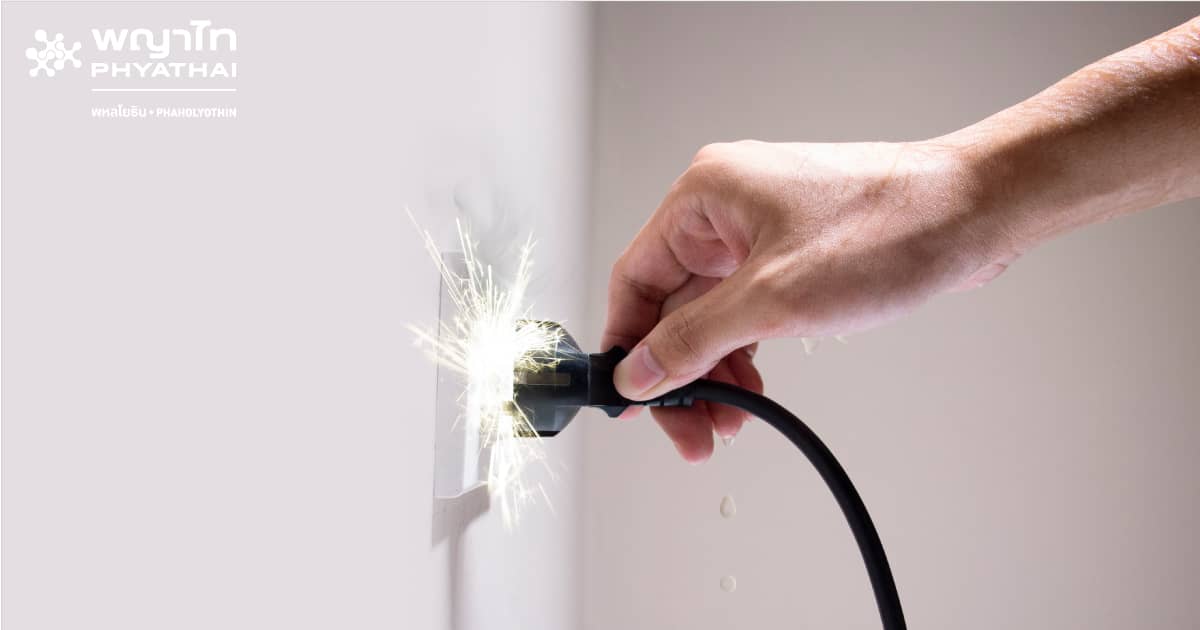
When electrocuted or shocked, the effects can range from just a startle, numbness, minor injuries to damage to various organs that can lead to disability or death. The severity depends on several factors such as voltage, amount, duration of body contact, the path, and the entry and exit points of the electric current. The affected organs may include the cardiovascular system, nervous system, muscular system, as well as the skin and internal organs.
What are the effects of being electrocuted?
When electrocuted, the body’s functions and vital organs may be affected as follows:
- The cardiovascular system may disrupt the heart rhythm, leading to cardiac arrest.
- The nervous system may cause dizziness, memory loss, or even permanent paralysis.
- The respiratory control center may be damaged, causing respiratory failure and leading to death.
- The muscular system may experience severe spasms or contractions, seizures, bone fractures, and internal organ damage.
- The skin and tissues may suffer burns from the heat of the electric current.
How does electrocution affect the heart?
The heart is highly sensitive to electric current because its function relies on natural electrical impulses to control the heartbeat. When exposed to external electric current, it may cause arrhythmia, abnormally fast or slow heartbeats, or complete cardiac arrest, which is a major cause of rapid death in electrocution victims. Common effects include:
- Heart Electrical Conduction System: Causes abnormal control of the heart muscle contraction rhythm, leading to various conditions.
- Arrhythmia affects blood pumping and may lead to heart failure or sudden cardiac arrest.
- Abnormal fast heartbeat (Tachycardia) or slow heartbeat (Bradycardia) can cause dizziness, fainting, or loss of consciousness. Without timely treatment, it may lead to cardiac arrest.
- Atrial Fibrillation (AF) is a condition where the upper heart chambers beat rapidly and irregularly, reducing effective blood flow to organs and leading to sudden cardiac arrest.
- Ventricular Fibrillation (VF) is an uncoordinated rapid heartbeat of the lower heart chambers, preventing normal blood pumping.
- Sudden Cardiac Arrest occurs from high-voltage electric shock, causing immediate heart stoppage due to severe disruption of the heart’s electrical waves.
- Sustained contraction of myocardium: Causes the heart to be unable to pump blood normally.
Blood flow to the brain and other organs becomes insufficient, potentially leading to unconsciousness or cardiac arrest.
- Heart muscle damage: From accumulated heat within the heart muscle, resulting in damage that impairs function or causes long-term complications such as chronic arrhythmia.
Why does electrocution affect the heartbeat?
Normally, the heart has a self-generated electrical control system starting from the Sinoatrial Node (SA Node), which sends signals to the upper and lower heart chambers to regulate contraction and blood pumping. When electrocuted, external electric current interferes with the heart’s natural electrical signals, causing arrhythmia, abnormally fast or slow heartbeats. High-voltage electricity causes more severe symptoms, potentially leading to malfunction of the lower heart chamber cells, inability to pump blood, or immediate cessation of the heart’s electrical activity. Patients in such cases often lose consciousness and die within minutes.
Heart health examination after electrocution
After electrocution, besides general physical examination such as listening to the heart, checking pulse, and measuring blood pressure to assess heart and other organ functions, doctors may consider additional tests based on risk or symptoms. For example, an electrocardiogram (ECG) to evaluate heart rhythm patterns, tachycardia, bradycardia, or arrhythmia. If suspicious symptoms are found, doctors may check for severe arrhythmias such as Ventricular Fibrillation to assess risk and prevent possible complications.
Heart health rehabilitation after electrocution
Rehabilitating heart health after electrocution requires time and careful care to restore normal and strong heart function. This can be done as follows:
- Regular monitoring and heart health check-ups such as electrocardiogram (ECG).
- Lifestyle adjustments by controlling diet to reduce heart disease risk, such as reducing salt, fat, sugar, and high-cholesterol foods.
- Cardiac rehabilitation through exercise under expert supervision.
- Appropriate medication and treatment if arrhythmia or other heart diseases are present, medications may be needed to control these conditions, such as blood pressure medications, heart rhythm regulators, or cholesterol-lowering drugs under medical guidance.
In addition to heart rehabilitation, mental health recovery may also be necessary. Emphasis should be placed on rest and stress reduction to help patients recover faster and manage emotions during rehabilitation.
Electrocution can affect health in many ways, including the heart’s electrical system, muscles, and blood vessels, potentially leading to arrhythmia or sudden cardiac arrest. Timely examination and treatment are crucial. At Phyathai Phaholyothin Hospital, we have a team of heart specialists and advanced medical technology to provide care, treatment, and heart health rehabilitation to prevent long-term complications and help you regain a good quality of life.
Assoc. Prof. Dr. Preeda Samritpradit
Specialist in Laparoscopic Surgery
Phyathai Phaholyothin Hospital
