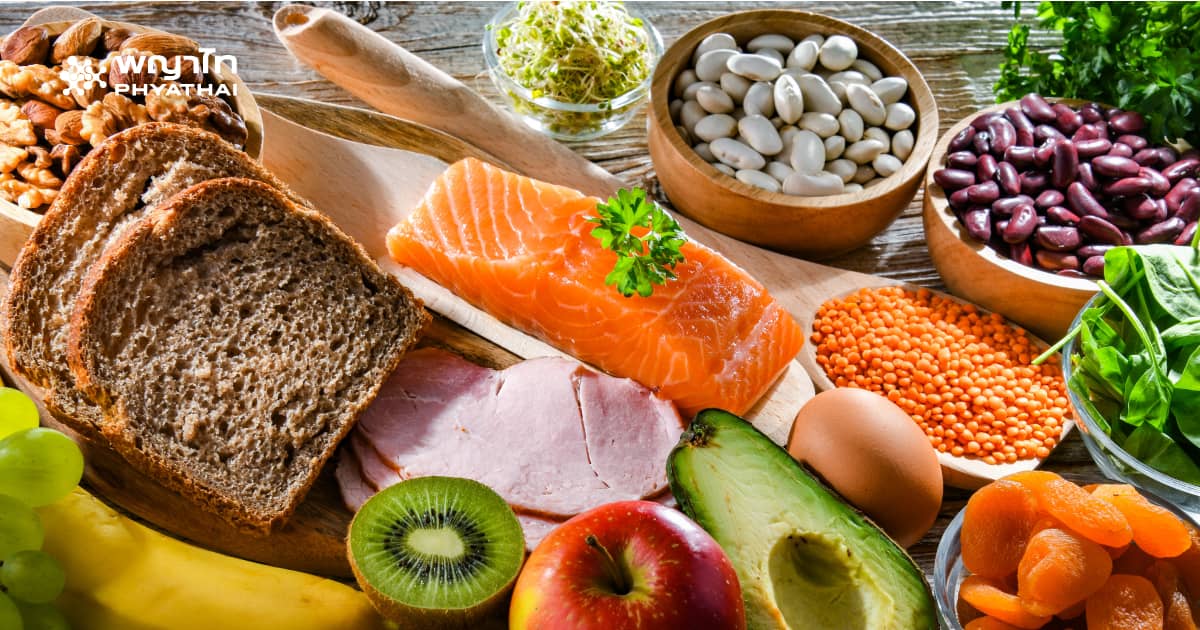
Food is a primary essential factor for life. It is a source of energy and helps balance the body’s processes to be complete and strong, enabling normal activities.
If we consume food improperly according to nutritional principles for a long time, it may lead to various diseases, including stroke, which is the second leading cause of death among people over 60 years old worldwide and the fifth leading cause of death among people aged 15-59. Each year, about 6 million people worldwide die from stroke.*
Those at risk of stroke include people with high blood pressure, diabetes, obesity, heart disease, etc. Reducing risk factors is important to help prevent stroke by making simple behavioral changes. One of these is knowing how to choose food according to proper nutrition and avoiding foods that increase the risk of stroke as follows:
- Foods that are very salty or high in salt such as salt, fish sauce, soy sauce, monosodium glutamate, seasoning powder, curry paste, canned food, instant noodles, salted eggs, sausages, crispy snack bags, pickled salty foods, preserved foods, dried foods. Consuming these high-salt foods is associated with high blood pressure, which causes hardening and narrowing of blood vessels.
- Foods that are very sweet such as sweetened drinks, soda, tea, coffee, sweets, very sweet fruits. Consuming too much sweet food provides high energy that the body cannot fully burn, leading to overweight, high blood sugar, causing diabetes, which results in hardening of the arterial walls and can cause stroke due to vessel blockage.
- Foods high in saturated fat found in animal and plant fats, including common foods such as lard, coconut oil, palm oil, milk and dairy products, butter, margarine, cocoa, chocolate. These fats increase blood cholesterol levels, causing hardening and narrowing of the arteries due to fat accumulation on the vessel walls.
So how should we choose food to stay away from stroke? Eat a balanced diet with all 5 food groups in the correct proportions. Choose unrefined rice and grains. Increase the amount of vegetables in every meal. Choose fruits high in dietary fiber and not too sweet to control fat and blood sugar levels within appropriate ranges. Besides eating well to maintain good nutritional status, exercising regularly at least 3-4 times a week also helps reduce risk factors that cause stroke.* Non-communicable Disease Division, Department of Disease Control
Phyathai 1 Hospital