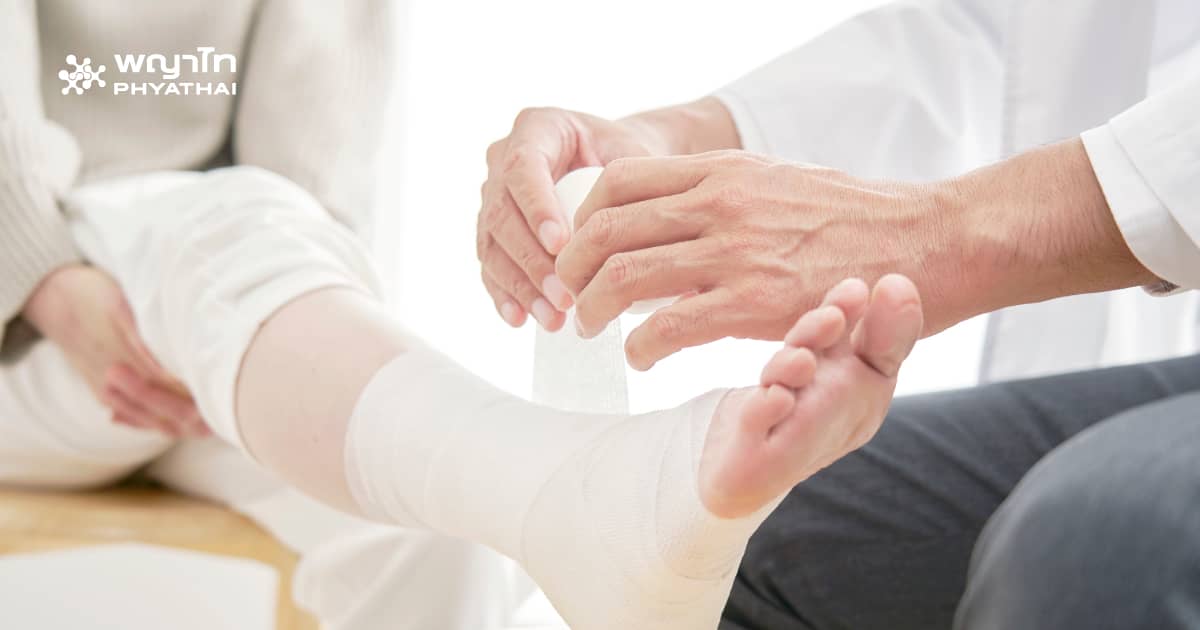
Organ surgical treatment needs to connect blood vessels within the body or bring the vessels from other parts of the body to recreate vessels which supply blood to tissues of the cut or injured area.
First aid for patients whose organs are cut
1. Stop bleeding with a clean cloth or gauze, cover the wound and press firmly. Especially in the arms or legs, which are likely to lose blood rapidly.
2. Make sure which parts of the organs are cut off from the patient’s body, such as fingers, arms, hands, legs. If there is, the organs should be put in a clean plastic bag. Fasten the bag and put it in ice water to control a temperature not to be dropped or raised as 4 degrees Celsius is a decent one.
It is important not to let the organs directly exposed to the ice. Because it can kill the cell. In cases when the huge organs are severed, such as hands; arms or legs. If provide a proper care. The organ may live up to 6 hours and in the case of missing fingers. The tissue will remain alive up to 12 hours. Moreover, for a case when the tissue remains attached to the patient. Provide hemostasis and keep the area from moving.
3. When the first aid is provided. Should contact the hospital immediately ensure if there is a doctor who is ready for surgery to reduce time taking or transferring patients between hospitals.
At hospital
Accordingly, the muscle is an organ which is not resistant to ischemia. So it can decompose after being left for too long. If doctors provide a constrictive process may transfer excretion into the bloodstream cause serious complications such as acute renal failure. In addition, for the organs which are apart from the body for a long time. There is a high chance of severe infection as well.
– Use a metal pulling attaching bones together.
– Provide vein surgery, artery surgery and nerve surgery with surgical techniques for reconstructive operation. Using a high magnification of microscope, a small yarn, and surgical instruments which are specially designed for a sensitive surgery. Accordingly, to make the blood flowing to the injured areas.
– After surgery, the patient must rest in a hospital until the doctor ensures that the affected organs are in a safe condition.
Resulting
The surgical outcomes for severed organs depend on several factors. However, some factors may be hard for the physician to control as follows.
1. Injury of tissue, dirt, and infection, such as the organ was fallen into contaminated water, soil, or trash. These factors cause the artery blockage after surgery.
2. The experience of doctors, nurses and physical therapists.
3. Cooperation of patients as following the doctor’s advice before and after surgery.
4. Continuous and appropriate treatment planning.
After the bones of the organs have been reshaped well. Patients must undergo physical therapy. And sometimes, addition surgery is needed to achieve the best results.
– Surgery to fix the tendon and joint or surgery to transplant the tendon.
– Surgery to accelerate the healing of the bone in when it takes longer time than usual.
– Bone steel removal surgery to start a physical therapy
Conclusion
The organ surgical treatment sometimes from a superficial view may seem to be as connection of missing organs. In fact beneath the skin there need to be provided by complex procedure and delicate techniques. Which need to receive a consult from micro surgeon including a cooperation from the patients.
