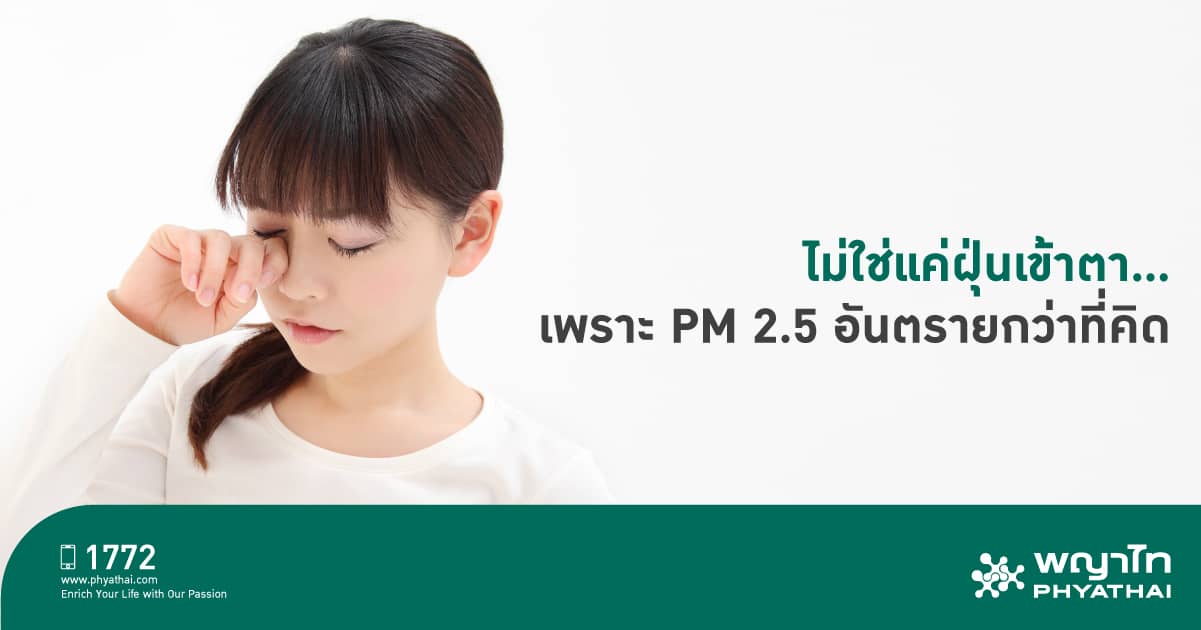
Air pollution is widespread and has existed for a long time. However, in recent years, we can clearly observe that the atmosphere in the sky is often hazy. One of the causes is the high levels of PM 2.5 dust. This type of dust not only harms our lungs but also affects other organs and our eyes.
What is PM 2.5 dust and where does it come from?
PM 2.5 dust is fine particulate matter with a size smaller than 2.5 micrometers. When inhaled into the lungs, it can easily penetrate into the capillaries and spread to various organs. This type of dust can originate from several sources, such as:
- Emissions from industrial factories releasing toxic smoke or chemicals
- Burning of agricultural materials
- Pollution from the use of cars, motorcycles, and transportation systems
- Burning of waste, forest fires, and smoking
- Electricity production that requires fuel combustion
Dangers of PM 2.5
Currently, the World Health Organization (WHO) classifies PM 2.5 as a carcinogen. If we breathe air containing high levels of this dust for a long time, it can cause harm and lead to many diseases, such as:
- Conjunctivitis
- Chronic eye allergies
- Chronic respiratory diseases
- Respiratory infections
- Harm to unborn children
- Stroke
- Ischemic heart disease
- Dermatitis
- Allergies
- Attention deficit hyperactivity disorder (ADHD) and delayed brain development in children
- Long-term inhalation into the lungs increases the risk of lung cancer and other cancers
How does PM 2.5 dust affect our eyes?
- Causes conjunctivitis or chronic red eye, leading to secondary viral or bacterial infections due to weakened conjunctiva
- Causes keratitis, and rubbing the eyes can easily cause corneal abrasions because the cornea is weakened
- Causes chronic allergic conjunctivitis. In people with nasal allergies, it worsens eye allergies, causing red eyes, eye irritation, itching, swollen eyelids, and white mucus discharge
- Causes dry eyes
Who is at risk of harm from PM 2.5 dust?
Those who are at higher risk and often affected by PM 2.5 dust more than the general population include:
- Young children
- Elderly people, especially those who get tired easily, have rapid heartbeat, and chest tightness
- Pregnant women
- People with chronic diseases such as eye allergies, lung diseases, heart diseases, stroke, asthma, nasal allergies, skin allergies, and immune deficiency disorders
Care and prevention of harm from PM 2.5
- Wear protective glasses against dust and wind every time you go outside
- Wear a mask covering the nose and mouth every time you go outside. Using an N95 mask provides better protection than a regular mask
- Use your eyes for 30 minutes and then rest them. For every continuous 10 minutes of looking at a phone screen, rest your eyes to reduce dryness and eye pain
- Use artificial tears 4 times a day. For those with dry eyes, use every 2 hours
- Avoid washing your eyes frequently as it can increase dryness. If you need to wash your eyes, use artificial tears instead
- Drink plenty of water to reduce dry eyes
- Keep your home clean and dust-free. Close doors and windows tightly
- Avoid going outside or doing outdoor activities on days when dust levels exceed the standard
- Get enough sleep, eat nutritious food, and consume vegetables and fruits rich in vitamins to boost immunity, or take supplements such as vitamins C and E
- If you find that eye inflammation does not improve or if your body shows abnormal symptoms, see a doctor promptly. Do not wait until symptoms worsen as it will make treatment more difficult
Dr. Arada Mokornpong
Retina Specialist Ophthalmologist
Eye Center, Phyathai 2 Hospital
