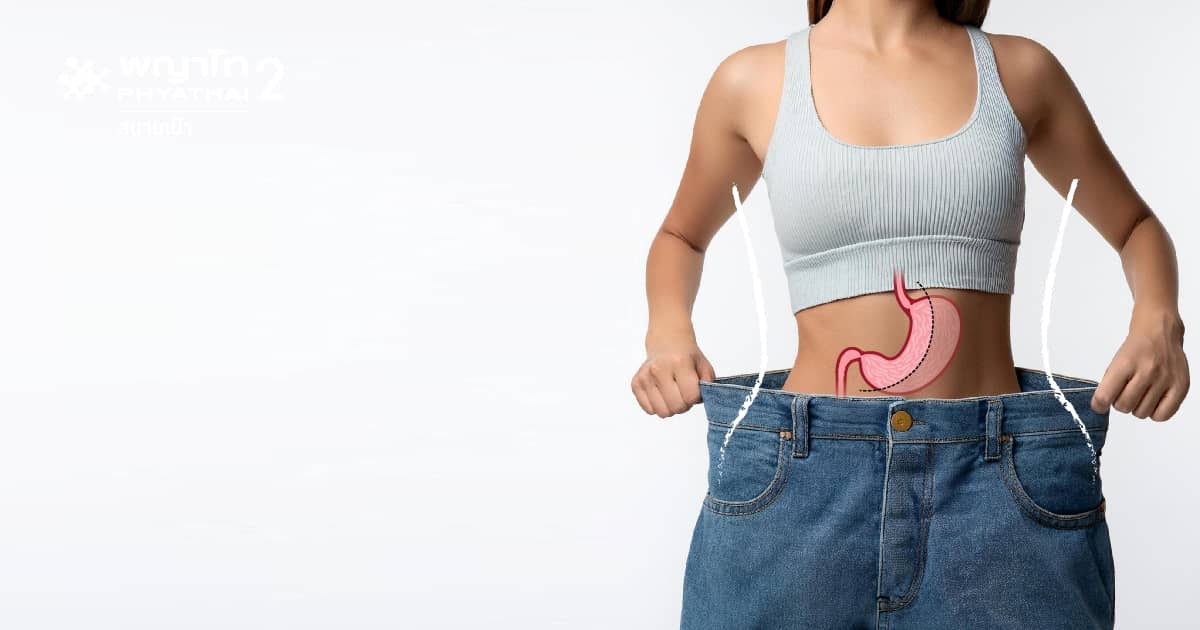
Gastric surgery for weight loss is one treatment option for individuals suffering from obesity and excess weight. This technique involves minimally invasive laparoscopic surgery to reduce the size of the stomach. Not only does it help with weight loss, but it also has positive effects on obesity-related conditions such as diabetes, high blood pressure, fatty liver disease, sleep apnea, and even infertility.
Obesity is a condition where the body accumulates excess fat beyond what is required, leading to negative effects on health. Generally, Body Mass Index (BMI) is used to assess this condition. If the BMI exceeds the set threshold, it is considered obesity. This condition increases the risk of various diseases, such as type 2 diabetes, cardiovascular diseases, high blood pressure, and numerous other health problems. Managing obesity focuses on altering eating habits, increasing physical activity, and adopting a lifestyle that supports long-term health.
Assessment of Obesity
Obesity can be assessed using simple methods as follows
- Waist Circumference Measurement Men with a waist circumference over 90 cm and women over 80 cm are at higher risk, especially if they also have conditions like diabetes, high blood pressure, or high cholesterol. This condition is referred to as central obesity and is part of metabolic syndrome.
- Body Mass Index (BMI) BMI is calculated by dividing weight (in kilograms) by height (in meters) squared. If the BMI exceeds 32.5, it is an indication that weight loss through surgical methods should be considered.
When Should Gastric Surgery Be Considered?
According to the guidelines of the Thailand Society for Metabolic & Bariatric Surgery (TSMBS), individuals who are suitable candidates for gastric surgery include:
- Those with a BMI ≥ 37.5 kg/m².
- Those with a BMI ≥ 32.5 kg/m² and have comorbid conditions.
- Those with a BMI ≥ 30 kg/m² and have metabolic comorbidities, or those with type 2 diabetes that cannot be controlled through medication.
Bariatric Surgery for Weight Loss is a procedure that helps reduce weight by surgically altering the structure of the digestive system. The primary goal of this method is to limit the amount of food that can be consumed and/or reduce the absorption of nutrients. This approach enables patients with obesity to lose weight effectively and often helps improve or resolve obesity-related health issues such as diabetes, high blood pressure, and fatty liver disease. Common techniques currently in use include:
- Sleeve Gastrectomy Reducing the size of the stomach.
- Roux-en-Y Gastric Bypass A surgery to reduce nutrient absorption.
- Sleeve Plus Surgery A newer technique in bariatric surgery.
Techniques for Gastric Surgery
There are three main types of gastric surgery techniques commonly used:
- Sleeve Gastrectomy This procedure involves removing approximately 75–80% of the stomach to leave behind a small tube-like structure (sleeve). It is performed using laparoscopic surgery, which involves smaller incisions, reducing risks and allowing for a quicker recovery time. This method is popular today as it changes the shape of the stomach, reducing the secretion of hunger-stimulating hormones. As a result, patients feel full more quickly and eat less.
- Roux-en-Y Gastric Bypass (RYGB) In addition to reducing the stomach size, this surgery also alters the digestive tract to limit nutrient absorption, helping to control both weight and appetite more effectively.
- Sleeve Plus Surgery This technique combines the sleeve gastrectomy with a bypass procedure to reduce nutrient absorption. This method is more effective in preventing vitamin and mineral deficiencies compared to the Roux-en-Y Gastric Bypass.
Preparing for Surgery and Recovery After Surgery
Preparation Before Surgery
- Diet Control It is recommended to lose about 5-10% of body weight before surgery. This helps make the procedure easier and reduces the risk of complications, such as fatty liver accumulation.
Recovery After Surgery
- Hospital Stay Most patients stay in the hospital for about 3-4 days after surgery. During the initial recovery period, patients may experience nausea, pain at the incision site, or fatigue, which will be managed with appropriate medications.
- Follow-up Care Doctors will monitor the patient’s progress with follow-up appointments every 2 weeks, 1 month, 3 months, and 2 years. Follow-up care includes consultations with specialists like endocrinologists and cardiologists to assess any underlying health conditions and ensure that the surgical site is healing properly with no complications.
- Dietary Changes After surgery, it is important to adjust eating habits by consuming liquid-based foods with a caloric intake of 800–1200 kcal per day, including about 60-80 grams of protein. Patients should also ensure proper hydration by drinking enough water as advised by their doctors and nutritionists.
Self-Care and Dietary Changes After Surgery
The reintroduction of food after surgery is divided into four phases:
- Phase 1 (First Day After Surgery) Begin with clear liquid foods such as rice water or unsweetened herbal drinks.
- Phase 2 (Second Day After Surgery) If tolerated well, transition to thicker liquids, such as creamy soups or low-carb food formulas.
- Phase 3 (2-4 Weeks Post-Surgery) Gradually move to soft foods such as porridge or rice soup, while consuming about 60 grams of protein per day.
- Phase 4 (One Month Post-Surgery) Start consuming regular foods in smaller portions, with an estimated intake of about 1,000 kcal per day, focusing on adequate protein intake.
Dietary Recommendations
- Start by eating small portions (about 2-5 bites per meal) and divide meals into 4-5 times throughout the day.
- Chew food thoroughly and slowly, and stop eating when you feel full.
- Choose high-quality proteins, low glycemic index carbohydrates, and healthy fats. Examples include fish, chicken breast, eggs, brown rice, and whole wheat bread.
Benefits of Gastric Sleeve Surgery
Gastric sleeve surgery (Sleeve Gastrectomy) offers various benefits for individuals with obesity and health problems related to excess weight
- Effective Weight Loss Most patients will experience significant weight loss within 1-2 years after surgery due to the reduction in food intake per meal.
- Prevention of Chronic Diseases Related to Obesity Such as type 2 diabetes, high blood pressure, high cholesterol levels, and cardiovascular diseases. Weight loss helps reduce the burden on various bodily systems.
- Hormonal Regulation of Hunger The surgery reduces the level of ghrelin, a hormone that stimulates hunger, helping patients to feel less hungry.
- Improved Quality of Life Weight loss and overall health improvement lead to better mobility, making it easier for patients to exercise and perform daily activities.
- Reduced Risk of Obesity-Related Complications Such as respiratory issues, the risk of blood clotting, and cardiovascular diseases.
Overall, gastric sleeve surgery not only helps with weight loss but also leads to improvements in other aspects of health, enhancing the patient’s quality of life in the long term. For those who wish to maintain their body shape and health over time, Phyathai 2 Hospital’s surgical center offers personalized, comprehensive care through a team of specialized doctors and multi-disciplinary professionals. This includes planning for diet, exercise, medication, and surgery with the latest technology to help you embark on a new, effective, confident, and healthy life.
