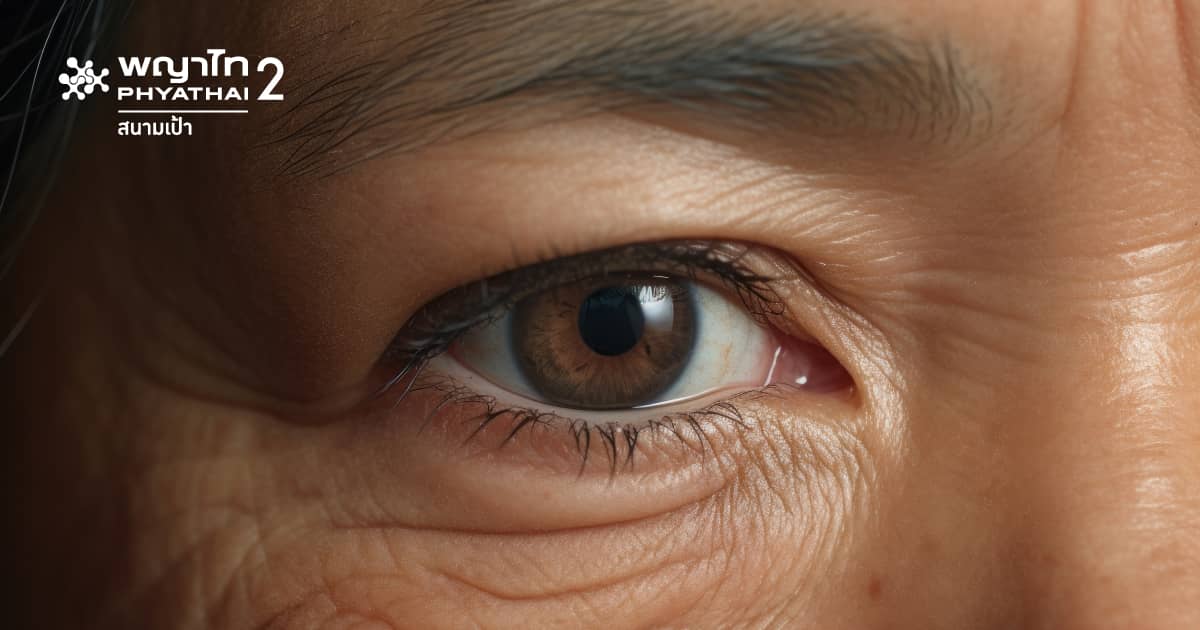
Cataract (Cataract) is a disease caused by clouding of the eye lens. Normally, the lens is clear and helps light pass through to the retina clearly. However, when the lens becomes cloudy, less light passes through, resulting in blurred vision, like looking through fog, making daily life more difficult. It usually occurs with increasing age and is a major cause of vision loss in the elderly worldwide.
Symptoms of Cataract
If you have these symptoms, you should promptly see an ophthalmologist for an eye examination to assess whether you have cataracts.
- Blurred or hazy vision, especially in bright daylight
- Faded colors or vision like looking through a fog
- Seeing scattered light or glare at night
- Frequent changes in eyeglass prescription
- In severe cases, seeing shadows or double images
To diagnose cataracts, ophthalmologists use specialized instruments such as:
- Visual Acuity Test
- Slit Lamp examination to observe lens clouding
- Intraocular pressure measurement to differentiate other possible conditions such as glaucoma
Causes of Cataract usually include
- Age-related cataract (Age-related cataract) is the most common cause. As age increases, proteins in the lens deteriorate and clump together, causing cloudiness.
- Traumatic cataract (Traumatic cataract) such as from a blow to the eye or injury from a sharp object
- Cataract from diseases or physical conditions such as diabetes, hypertension, or certain eye diseases
- Cataract from medications and chemicals especially long-term use of steroid medications
- Congenital cataract (Congenital cataract) found in newborns due to genetics or maternal infections during pregnancy
- Other factors such as smoking, alcohol consumption, prolonged exposure to intense sunlight (UV radiation), or deficiency of certain nutrients like vitamins C and E
Treatment and Cataract Surgery
In the early stages, if the cataract is not severe, the doctor may recommend lifestyle adjustments such as increasing lighting when reading or using eyeglasses. However, if the cataract begins to interfere with daily vision, cataract surgery to replace the lens with an artificial one (Cataract Surgery) is the most effective option. The surgery takes about 15–30 minutes, and most patients can go home the same day. It can also correct nearsightedness, farsightedness, and astigmatism simultaneously.
Surgical Procedure
- Use of anesthetic eye drops no general anesthesia required
- Make a small incision on the cornea
- Break up the cloudy lens using ultrasound waves (Phacoemulsification)
- Insert an artificial lens (Intraocular Lens – IOL) to replace the original lens
- The incision is very small and usually does not require stitches
Types of Artificial Lenses (Intraocular Lens : IOL)
After removing the cloudy natural lens during surgery, the doctor will insert an “artificial lens” to restore clear vision. Currently, there are various types of artificial lenses designed to meet different patient needs and vision characteristics.
1. Monofocal Lens – single-focus lens is a standard artificial lens that provides clear vision at one distance, such as far distance (e.g., driving or watching TV) or near distance (e.g., reading or using a phone). Patients choosing this lens may still need glasses for some activities; for example, if the lens is set for clear distance vision, reading glasses may be needed for near tasks.
Suitable for those who want clear vision at a single distance and do not mind using glasses occasionally
2. Multifocal Lens – multi-focus lens is designed to provide clear vision at near, intermediate, and far distances in one lens, reducing dependence on glasses after surgery. It is suitable for those who want comprehensive vision for daily activities such as driving, using a phone, or reading. This lens technology includes Diffractive (splitting light into multiple levels) and Extended Depth of Focus – EDOF (extending the depth of focus), which provides more natural continuous vision.
Suitable for those who want to see clearly at multiple distances and reduce the use of glasses after surgery
3. Toric Lens – astigmatism-correcting lens This lens has special properties to correct astigmatism along with blurred vision from cataracts in one procedure. The doctor will measure the corneal astigmatism precisely to determine the optimal position and angle of the lens.
Suitable for : those with astigmatism, as this lens helps provide sharper vision without needing special glasses after surgery
4. Aspheric Lens – lens providing natural sharp images This lens is designed to have a shape close to the natural human lens, reducing spherical aberration and providing sharper images, especially in low light or at night.
Suitable for those who want the highest quality vision, such as night driving or detailed work
5. Blue Light Filtering Lens – blue light filtering lens This lens filters blue light from computer screens, phones, or some sunlight, which may help reduce eye strain and protect the retina in the long term.
Suitable for those who spend long hours looking at screens or are at risk of macular degeneration
Choosing the type of artificial lens should be done in consultation with an ophthalmologist, based on lifestyle habits (e.g., reading, night driving, frequent computer use), budget and expectations after surgery, and the patient’s existing eye conditions such as astigmatism or other eye diseases. Cataract surgery with the appropriate artificial lens will help restore clear, natural vision and allow you to live confidently again.
Self-care Techniques After Cataract Surgery
Cataract surgery is a safe and highly effective procedure, but proper post-operative care is very important as it helps wounds heal faster, reduces the risk of complications, and allows vision to fully recover. Generally, vision starts to improve within 1–2 days after surgery and can reach full clarity within a few weeks. Everyone can easily take care of themselves by:
- Regularly applying prescribed eye drops
- Maintaining strict eye hygiene, washing hands before applying drops or touching the eyes
- Avoid rubbing the eyes or letting dirt enter the eyes
- Avoid getting water in the eyes for about 2-4 weeks
- Avoid heavy lifting and strenuous exercise temporarily
- Attend all follow-up appointments to assess vision recovery
Cataract is a common condition, especially in the elderly. Although it is not a serious disease, if left untreated, it can cause permanent vision loss. Regular eye check-ups and early consultation with a doctor are important to plan appropriate treatment and prevent long-term complications.
If you start experiencing blurred vision, scattered light, or notice changes in your vision,
it is recommended to have an examination by an ophthalmologist at Phyathai 2 Hospital, which has a team of doctors and advanced technology for safe diagnosis and cataract surgery to help you regain clear vision confidently.
Assoc. Prof. Dr. Prartana Hirunpatrwang
Ophthalmologist specializing in Glaucoma and Cataract
