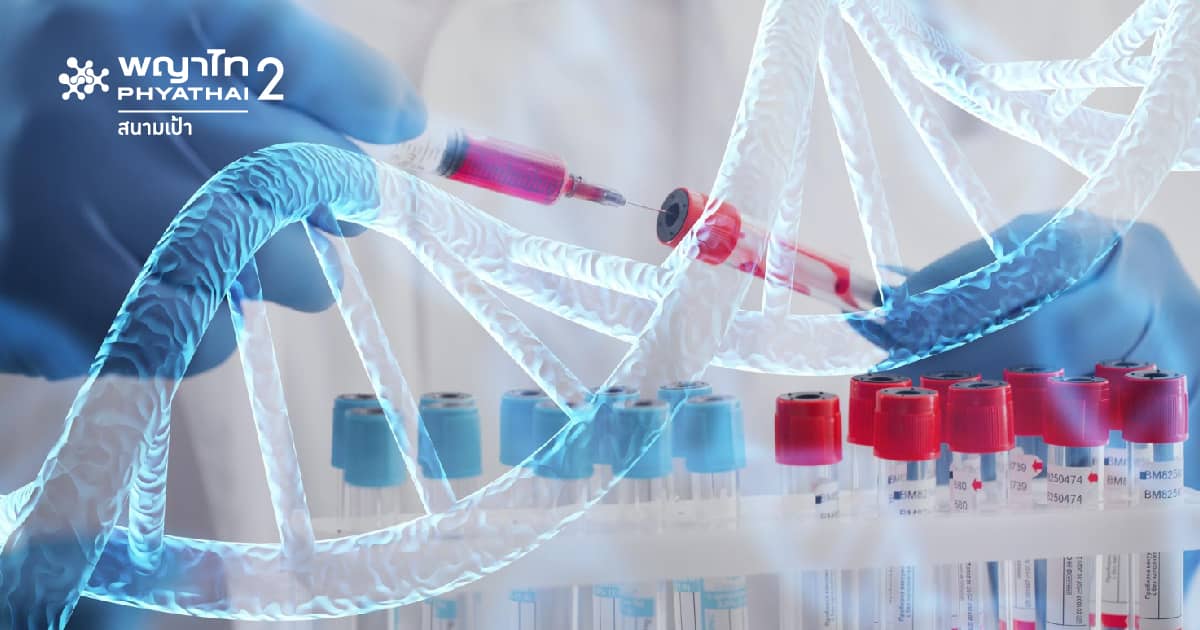
Cancer is one of the leading causes of death worldwide. Each type of cancer has a range of common and unique risk factors, including genetics, gene mutations, exposure to chemicals or pollutants, such as PM2.5 dust, and behaviors like smoking and alcohol consumption. Knowing whether you are at risk of developing cancer is crucial, and there are several screening methods available. One of the simplest and most effective methods is ctDNA (Circulating Tumor DNA) testing. This test detects small fragments of DNA that are released into the bloodstream by cancer cells, helping to identify potential risks of cancer at an early stage.
Understanding Circulating Tumor DNA (ctDNA)
ctDNA, or Circulating Tumor DNA, refers to fragments of DNA that are released into the bloodstream by cancer cells. This occurs as a result of cell death processes or through the direct secretion of DNA by the cancer cells themselves. Since cancer cells divide rapidly and die more quickly than normal cells, ctDNA becomes mixed in the bloodstream. It can be detected using high-sensitivity genetic testing techniques, allowing for the identification of potential cancer risks.
High-Sensitivity Mutation Analysis System for ctDNA Testing
This technology is used to analyze mutations in cancer cells through Circulating Tumor DNA (ctDNA) testing. It works by amplifying DNA segments that contain mutations and then performing detailed base sequencing analysis. This allows for highly accurate and sensitive detection of mutations. The key features of ctDNA testing are as follows:
- High accuracy It can detect DNA mutations even when present in small quantities.
- Reduced chances of false negatives This enhances the effectiveness of detecting cancer at an early stage.
- Personalized treatment planning It enables doctors to make more precise treatment decisions by integrating in-depth analysis. This includes selecting targeted therapies, considering drug resistance, monitoring treatment effectiveness, and surveillance for recurrence.
ctDNA Testing with Next-Generation Sequencing (NGS)
ctDNA testing is a method used to detect DNA fragments from cancer cells in bodily fluids, particularly blood. This approach reduces the need for traditional biopsy methods that require surgery or tissue sampling. The process involves the following steps:
- Blood sample collection: Approximately 10 mL of blood is collected.
- Plasma separation and ctDNA extraction: Plasma is separated, and ctDNA is extracted from the blood sample.
- NGS analysis: The extracted ctDNA is analyzed using Next-Generation Sequencing (NGS), a technology that provides detailed and comprehensive genetic sequencing. This allows for
- Detection of multiple gene mutations simultaneously.
- Identification of new mutations that may be associated with cancer.
- Assessment of treatment response and drug resistance.
- The doctor will analyze the data to determine whether there are any cancer-related DNA mutations and identify their specific type.
Why Should You Get ctDNA Testing?
Good health starts with prevention. ctDNA testing helps provide peace of mind about your health and the health of your family. Early detection of cancer (stage 1 and 2) significantly increases the chances of survival, with a 5-year survival rate of more than 70-95%, depending on the type and location of the cancer. In contrast, advanced cancer (stage 3 and 4) shows a much lower 5-year survival rate. Stage 3 survival ranges from 40-70%, while stage 4 survival drops to only 20-30%. Early detection greatly improves the chances of effective treatment and recovery, making ctDNA testing an essential step in cancer prevention and early diagnosis.
Circulating Tumor DNA for Cancer Screening
ctDNA testing plays a crucial role in identifying gene mutations that cause cancer cells to grow and spread rapidly. This test helps in early screening before disease onset and aids in treatment, reducing the need for traditional biopsies. ctDNA testing can detect mutations in genes associated with up to 10 types of cancer, including:
- Lung Cancer
- Breast Cancer
- Colorectal Cancer
- Liver Cancer (Hepatocellular Carcinoma, HCC)
- Bile Duct Cancer
- Pancreatic Cancer
- Gastric Cancer
- Ovarian Cancer
- Esophageal Cancer
- Endometrial Cancer
However, ctDNA testing has some limitations. It may not always replace traditional biopsies in every case and may need to be used in combination with other diagnostic methods for more accurate results.
Who Should Get Circulating Tumor DNA (ctDNA) Testing?
- Individuals over 40 years old: As the risk of cancer increases with age.
- Individuals 18 years or older who are proactive about health and prevention: Those who care about maintaining their health and preventing diseases.
- High-risk individuals: Those who smoke heavily, drink alcohol, or have a direct family history of cancer.
- People exposed to carcinogens: Those working in environments with asbestos (common in construction), benzene, heavy metals, or pesticides.
- Individuals showing symptoms that could indicate cancer risk: Persistent coughing, chronic abdominal or back pain, abnormal bowel movements, fatigue, unexplained weight loss.
- Cancer patients: For monitoring treatment progress.
- Individuals who cannot undergo biopsy or prefer not to: ctDNA testing provides a non-invasive alternative to traditional biopsies.
If you have any health concerns, you can consult with the team of specialists at the Premier Life Center, Phyathai 2 Hospital. They offer the Value Care service, providing great value and comprehensive healthcare. This service includes everything from basic health check-ups, cancer screenings, accurate diagnoses, to tailored treatment plans. With a team of expert doctors and modern technology, we aim to ensure the best quality of life for you and your loved ones.
