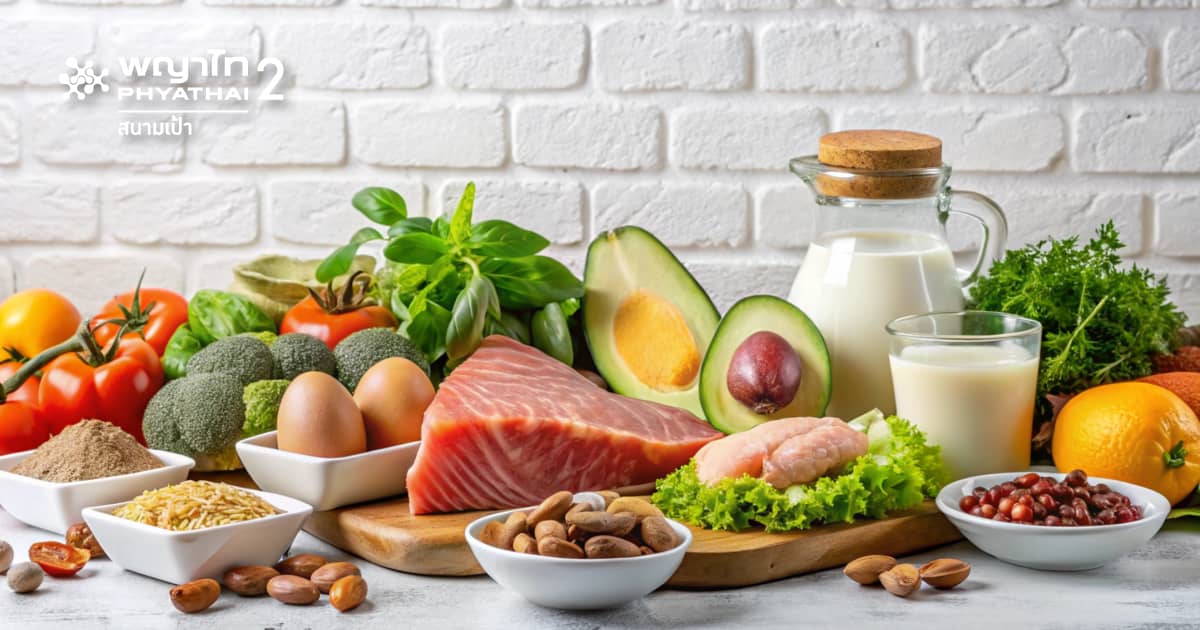
The heart is an important organ that continuously pumps blood to nourish the entire body without stopping. Therefore, taking care of a strong heart is essential, especially in the current era where cardiovascular diseases have become one of the leading causes of death among Thai people and worldwide. One effective and beneficial way is to choose foods that are good for heart health.
Heart-Healthy Foods: How to Eat for Good Heart Health?
Choosing the right foods can help reduce the risk of coronary artery disease or ischemic heart disease and hypertension. Let’s see which types of foods should be chosen and which should be cautious.
7 Recommended Heart-Healthy Foods
1. Avocado
Avocado is rich in monounsaturated fats, which help reduce LDL cholesterol (bad fat) and increase HDL cholesterol (good fat), contributing to lowering the risk of cardiovascular disease. The recommended amount to consume is 0.5-1 fruit per day due to its high energy and fat content.
2. Fatty Fish such as Salmon, Mackerel, Tuna, Snakehead Fish, Swai Fish, Catfish, etc.
Deep-sea fish and some Thai freshwater fish are high in omega-3 fatty acids. It is recommended to eat fish at least twice a week to help reduce the risk of cardiovascular disease, lower blood lipids, reduce inflammation in blood vessels, prevent platelet aggregation, and control blood pressure.
3. Nuts such as Almonds, Walnuts , etc.
Nuts are a source of good fats and high fiber. Regular consumption in appropriate amounts helps reduce bad cholesterol levels and lowers the risk of cardiovascular disease. However, due to their high fat content, intake should be limited to one handful per day (approximately 28 grams).
4. Berries
Blueberries, raspberries, and blackberries are rich in antioxidants that reduce oxidative stress in the body, which is a factor in heart disease.
5. Whole Grains
Oats, brown rice, whole wheat bread are rich in fiber and antioxidants, helping to control blood sugar and blood lipid levels.
6. Olive Oil , Rice Bran Oil, Canola Oil
Extra virgin olive oil is a good fat and contains antioxidants that help reduce inflammation in blood vessels and are good for heart health when used instead of other oils. It is recommended to use no more than 6 teaspoons per day.
7. Dark Green Leafy Vegetables
Spinach, kale, broccoli are high in nitrates and are sources of important vitamins and minerals. They contain magnesium and potassium, which help dilate blood vessels, reduce blood pressure, and benefit the heart.
Foods and Behaviors to Avoid
- Fried foods/oily foods, high-fat foods such as pork belly, crispy pork, Pad Thai, Pad See Ew, etc.
- Processed foods, very salty foods such as canned foods, instant noodles, sausages, bacon, etc.
- Sweets, soft drinks, and baked goods
- Alcoholic beverages and smoking
Tips for Choosing Foods for a Strong Heart
- Choose unrefined grains such as brown rice and whole wheat bread instead of white rice or refined flour.
- Choose vegetables and fruits that are not too sweet, varied, and fresh for every meal.
- Choose high-quality protein with good nutritional value such as deep-sea fish, nuts, tofu.
- Use good fats for cooking such as olive oil, rice bran oil, canola oil. Avoid saturated fats such as fatty meats, coconut oil, palm oil, animal fats, and avoid trans fats such as shortening and margarine.
- Reduce sodium and sugar intake. Avoid overly salty and sweet foods.
- Drink enough water (6-8 glasses per day).
- Cook food by boiling, baking, or grilling instead of frying.
- Read nutrition labels before purchasing food. Low-sodium foods contain no more than 140 milligrams of sodium per serving.
- Eat a variety of foods and maintain a healthy weight.
Examples of Heart-Healthy Menus
- Brown rice + grilled salmon + steamed broccoli and carrots
- Vegetable salad with chicken breast, avocado, and nuts
- Oatmeal porridge with egg, tofu, and mushrooms
- Mixed vegetable soup
- Fresh berry smoothie (no added sugar)
Besides Food, What Else Is Important for the Heart??
Although food plays an important role, good heart care should come from overall healthy behaviors such as
- Exercise regularly for at least 150 minutes per week.
- Maintain a healthy weight within the appropriate range.
- Avoid smoking and alcoholic beverages.
- Get enough sleep, 6–8 hours per night.
- Have regular heart health check-ups, especially for those with risk factors such as hypertension, diabetes, or a family history of heart disease.
Choosing the right “heart-healthy foods” and adjusting lifestyle behaviors is a simple way to take care of your heart and your loved ones, reduce the risk of heart disease, and maintain sustainable good health. If you start paying attention today, it will definitely have a positive long-term effect on your heart health.
