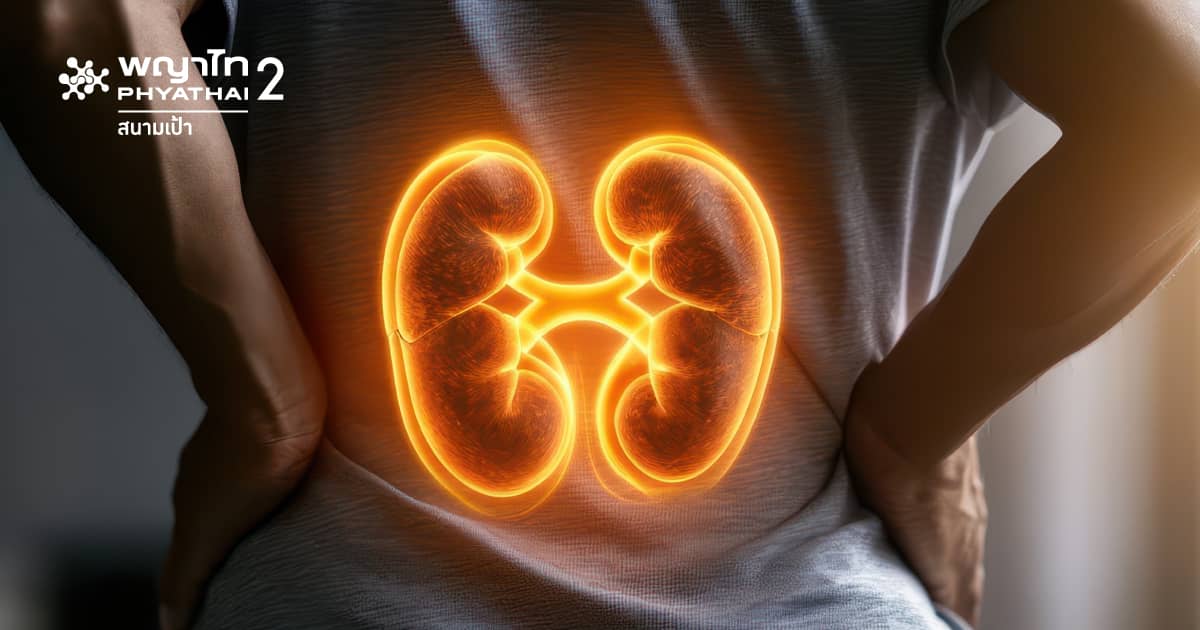
“Kidney failure” may sound like a worrying term for many people because it means the kidneys are functioning less or have stopped working. But did you know that “kidney failure” is divided into 2 types, each with completely different characteristics, symptoms, effects on the body, and treatment approaches? Differentiating between these two conditions is important to receive appropriate and timely care.
“Frequent or reduced urination, swelling, easy fatigue” may be warning signs of kidney disease. However, kidney failure can be either acute or chronic. So how do you know which type is dangerous and which requires urgent treatment? This article will help you understand the differences between acute kidney failure and chronic kidney failure, including symptoms that should not be overlooked, so you can get timely diagnosis and treatment before permanent kidney damage occurs.
Kidney failure (Kidney Failure) is a condition where the kidneys cannot adequately filter waste, excrete excess water, and maintain the balance of electrolytes in the body. If left untreated, waste can accumulate in the blood, electrolyte balance becomes abnormal, affecting the function of various systems throughout the body, and can be life-threatening.
Acute Kidney Injury (AKI)
Acute kidney injury is a condition where the kidneys rapidly and suddenly lose function, which can occur within hours, days, or up to weeks. The damage to the kidneys is usually temporary and can recover if treated correctly and promptly.
Causes
- Severe dehydration such as diarrhea, vomiting, or significant blood loss
- Severe infection (sepsis): causing the kidneys to lack blood and oxygen
- Certain medications such as NSAIDs painkillers, some antibiotics, chemotherapy drugs, or contrast agents used in diagnostic tests
- Urinary tract obstruction such as kidney stones or enlarged prostate
- Certain chronic diseases such as heart failure or severe liver disease
- Certain types of kidney inflammation such as lupus nephritis (SLE), IgA nephropathy
Symptoms
Symptoms of acute kidney injury depend on the cause and severity of the condition. They can range from abnormal kidney function test results without symptoms to severe symptoms that can be life-threatening. Possible symptoms include:
- Reduced urine output or no urination
- Swelling in the body, which may start at the legs, ankles, or eyelids (gravity-dependent areas) and can progress to whole-body swelling
- Loss of appetite, fatigue
- Nausea, vomiting
- Difficulty breathing, shortness of breath
- Neurological symptoms such as drowsiness, confusion, or seizures
- Loss of consciousness, irregular heartbeat, or cardiac arrest in cases with severe electrolyte imbalances
Effects on the body
Several recent studies indicate that acute kidney injury affects multiple body systems more than in those without acute kidney injury, including:
- Increased risk of cardiovascular disease
- Increased risk of chronic kidney disease and end-stage kidney failure
- Decreased brain function related to memory and decision-making in the future
- Higher mortality rate
The extent of these effects depends on the duration of acute kidney injury, recovery from the condition, and recurrence of acute kidney injury.
Treatment
Treatment of acute kidney injury focuses on correcting the underlying cause, such as fluid replacement, antibiotics for infection, stopping causative medications, or surgery to relieve obstruction. If kidney damage is severe, temporary dialysis may be required to manage symptoms and allow recovery.
It can be seen that acute kidney injury is an urgent and critical condition because it affects not only kidney function but also many other body systems. Therefore, if you have symptoms or risk factors for acute kidney injury, early detection and treatment of the cause, along with proper follow-up care, can reduce the severity, speed up recovery, lower the chance of recurrence, and minimize the impact on other body systems.
Chronic Kidney Disease (CKD)
Chronic kidney disease is a condition where kidney function gradually declines or becomes abnormal over a long period (more than 3 months). The damage to the kidneys is usually permanent and cannot be restored to normal. The disease progresses slowly until it reaches end-stage kidney failure, requiring kidney replacement therapy such as dialysis or kidney transplantation.
Causes
- Diabetes is the most common cause
- Uncontrolled high blood pressure over a long period
- Various types of kidney inflammation such as lupus nephritis (SLE)
- Polycystic kidney disease which is a genetic disorder
- Long-term use of certain medications such as some painkillers
Symptoms
In the early stages, chronic kidney disease often has no clear symptoms or only mild symptoms that patients may not notice. As kidney function declines further, symptoms may include:
- Frequent urination, especially at night
- Muscle cramps and swelling in the body
- Fatigue
- Loss of appetite
- Nausea
- Itching all over the body
- Anemia
Treatment
Treatment of chronic kidney disease focuses on slowing kidney deterioration and controlling complications, such as controlling blood sugar and blood pressure levels, dietary modifications (limiting protein, sodium, phosphorus, and potassium), using medications to reduce complications, and in the final stage, patients require kidney replacement therapy (hemodialysis, peritoneal dialysis, or kidney transplantation).
The treatment approach for chronic kidney disease differs from acute kidney injury because treating only the cause may not be sufficient. Therefore, if chronic kidney disease is detected, patients should promptly see a doctor for treatment and advice on medications and dietary and lifestyle adjustments to slow kidney deterioration as much and as long as possible, preventing progression to dialysis.
Differences between Acute Kidney Injury and Chronic Kidney Disease
| Type | Acute Kidney Injury | Chronic Kidney Disease |
| Onset duration | Rapid, within days to weeks | Gradual, over months to years |
| Initial symptoms | Severe acute symptoms | May have no symptoms initially |
| Causes | Infection, ischemia, drugs, toxins | Diabetes, hypertension, chronic kidney diseases |
| Treatment | Focus on treating the cause; may recover if not severe and treated quickly | Treat cause and focus on lifestyle modification and managing complications; partial improvement possible |
| Kidney recovery | Possible to return to normal function | Usually incomplete recovery but can slow progression and prevent dialysis |
Be aware… Prevent Kidney Failure
Kidney failure may seem distant, but it can happen to anyone, especially the elderly or those with chronic diseases such as diabetes or hypertension. Poor management can cause the kidneys to work harder and deteriorate slowly, leading to kidney failure.
Daily ways to prevent kidney failure
- Manage chronic diseases well by monitoring and controlling blood sugar and blood pressure within target ranges
- Drink enough water 6–8 glasses per day, or less if advised by your doctor due to other conditions like heart disease
- Avoid unnecessary use of herbal or kidney-affecting medications such as NSAIDs painkillers that may impair kidney function if used continuously
- Reduce salt and sodium intake to no more than 2 grams per day; read nutrition labels before buying food and choose fresh over processed foods
- Quit smoking and reduce alcohol consumption
- Exercise regularly at least 30 minutes a day, 5 days a week to improve circulation and reduce risk factors
- Have annual kidney health check-ups, especially if you are at risk such as elderly, diabetic, hypertensive, or have a family history of kidney disease
Don’t wait for “kidney failure” to start caring
Maintaining healthy kidneys can start today because once kidney deterioration reaches an advanced stage, treatment becomes complicated and recovery takes longer. If you have abnormal symptoms such as irregular urination, easy swelling, chronic fatigue, or chronic diseases that increase kidney disease risk such as old age, diabetes, or hypertension, do not neglect regular kidney health check-ups.
Phyathai Hospital 2 is ready to provide comprehensive kidney health care with a team of kidney specialists (nephrologists) and related personnel such as pharmacists and nutritionists who are experienced and skilled, along with modern medical equipment, ensuring you receive accurate, precise, and attentive care at every step.
Dr. Sitthiphat Thirasatyapitak
Nephrologist and Kidney Transplant Specialist
Phyathai Hospital 2
