Understanding the Mitral Valve
The mitral valve acts like a gate that regulates blood flow between the left atrium and the left ventricle of the heart. During the diastolic phase (when the heart relaxes), the valve opens to allow blood to flow from the atrium to the ventricle. During the systolic phase (when the heart contracts), the valve closes to prevent blood from flowing backward.
If the mitral valve is damaged or deteriorated—for example, it does not close completely or cannot open fully—it can result in regurgitation (blood leaking backward) or stenosis (restricted blood flow). This forces the heart to work harder to compensate for the inefficient circulation. In severe cases, mitral valve disease can progress to heart failure, which can be life-threatening.
Causes and Symptoms of Mitral Valve Disease mitral valve disease commonly presents in two main forms
- Mitral Stenosis this condition occurs when the mitral valve does not open fully, making it difficult for blood to flow from the left atrium to the left ventricle. As a result, blood backs up in the left atrium and may flow backward into the lungs, causing fluid congestion.
Common symptoms include shortness of breath, fatigue, swollen legs, or other signs related to fluid accumulation in the lungs.
The most common cause of mitral stenosis is rheumatic fever, a complication of Group A beta-hemolytic Streptococcal infection during childhood. This leads to inflammation and long-term damage to the valve, making it thickened, stiff, and narrowed over time. - Mitral Regurgitation this occurs when the mitral valve fails to close properly, allowing blood to leak backward from the left ventricle into the left atrium during systole (heart contraction).
Patients may experience shortness of breath, fatigue, or swelling in the legs or abdomen.
The primary cause is age-related degeneration of the valve structure.
Both mitral stenosis and regurgitation can severely affect the heart’s ability to pump blood efficiently. Without proper treatment, these conditions may lead to enlarged heart (cardiomegaly) and eventually heart failure.
Modern treatment options include medications to manage symptoms, as well as surgical repair or replacement of the mitral valve. One of the most advanced and effective approaches today is Minimally Invasive Mitral Valve Surgery (MIMVS), which offers excellent outcomes with fewer complications and a quicker recovery.
What is Minimally Invasive Mitral Valve Surgery (MIMVS)?
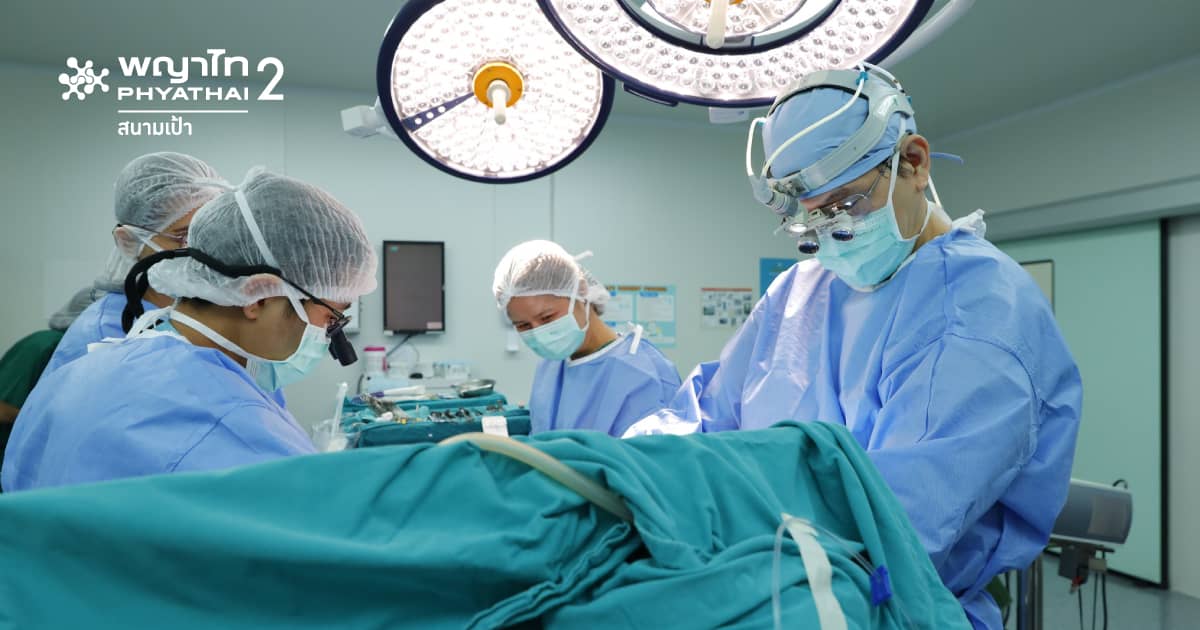
Minimally Invasive Mitral Valve Surgery (MIMVS) is a modern surgical technique used to repair or replace the mitral valve through small incisions with the aid of a high-definition endoscopic camera. This approach causes less tissue trauma, reduces blood loss, and lowers the risk of infection compared to traditional open-heart surgery. Additionally, it allows for faster recovery, shorter hospital stays, and less postoperative pain.
Steps of the MIMVS Procedure
Before surgery, patients undergo a comprehensive physical examination and detailed cardiac evaluation to help the surgical team plan the procedure. Preoperative preparation also includes fasting, skin cleansing in the surgical area to reduce infection risk, and other medical precautions.
- Anesthesia : The procedure begins with general anesthesia administered by an anesthesiologist.
- Surgical Access : The surgeon makes a small incision (about 4–5 cm) between the ribs on the right side of the chest (typically at the fourth intercostal space). This incision is significantly smaller than the one used in traditional open-chest surgery, reducing both pain and trauma to surrounding tissue.
- Visualization and Access : A high-resolution video camera and specialized surgical instruments are inserted through the small incision. This provides a clear view of the mitral valve and nearby structures, allowing for highly precise surgical movements while minimizing injury to unrelated tissue.
- Cardiopulmonary Bypass (CPB) : A heart-lung machine is used to temporarily take over the function of the heart and lungs during the procedure. This is done via femoral vessels in the groin, eliminating the need to open the chest.
- Valve Repair or Replacement : Once access is established, the surgeon will repair or replace the mitral valve, depending on the specific condition.
- Valve Testing : After the procedure, the valve’s function is tested using saline infusion into the heart or with transesophageal echocardiography (TEE)—an ultrasound probe placed in the esophagus—to ensure that the valve opens and closes properly and there is no leakage.
- Completion : The heart-lung machine is gradually weaned off, and the surgical team closely monitors vital signs. Once stable, the incisions in the heart and chest are carefully closed.
Recovery After Mitral Valve Surgery
After the surgery, the patient is transferred to the Intensive Care Unit (ICU) for close monitoring and recovery during the first 24–48 hours. During this time, the medical team provides pain relief, infection prevention medications, and blood clot prophylaxis, along with continuous monitoring of the heart, lungs, and other vital systems.
In general, the hospital stay lasts about 5–7 days. Upon discharge, patients receive instructions on wound care, physical rehabilitation, and lifestyle adjustments to support optimal recovery and long-term heart health.
Benefits of Minimally Invasive Mitral Valve Surgery (MIMVS)
- Less pain and trauma due to the small incision size and no need to cut through the breastbone.
- Reduced blood loss and lower infection risk, particularly avoiding the risk of sternal wound infections common with traditional open-heart surgery.
- Faster recovery with a shorter hospital stay and quicker return to normal daily activities.
- Smaller scars, which improves cosmetic outcomes and reduces post-surgical anxiety related to appearance.
Who Is a Suitable Candidate for Minimally Invasive Mitral Valve Surgery (MIMVS)?
To ensure the best and safest outcomes, a specialist will carefully evaluate the severity of the mitral valve disease, conduct a thorough echocardiographic (ultrasound) assessment, and review the patient’s overall health status. In general, suitable candidates for MIMVS typically meet the following criteria:
- Are in sufficiently good health to safely undergo general anesthesia and surgery.
- Have cardiac and vascular anatomy that is favorable for minimally invasive, video-assisted techniques.
- Do not have severe comorbidities, such as advanced chronic lung disease, end-stage kidney failure, or other serious heart conditions.
In some cases, MIMVS may take longer than traditional open-heart surgery, which could increase the risks associated with anesthesia and the use of a cardiopulmonary bypass (heart-lung machine). Therefore, the decision to proceed with MIMVS must be carefully considered on a case-by-case basis to ensure the most effective and personalized treatment approach.
Specialized Expertise Is Key to Success
Minimally invasive mitral valve surgery requires the expertise of a highly specialized surgical team trained in the use of advanced instruments and technology. At the Heart Center of Phyathai 2 Hospital, we are fully equipped to deliver comprehensive care:
- A team of experienced cardiovascular specialists
- Cutting-edge medical technology
- A treatment system accredited by Joint Commission International (JCI)
We provide holistic care throughout the entire process—from preoperative preparation, through the surgical procedure, to postoperative recovery. Once patients return home, we offer continued follow-up and rehabilitation, ensuring that every patient receives personalized attention and support at every step of their journey.
