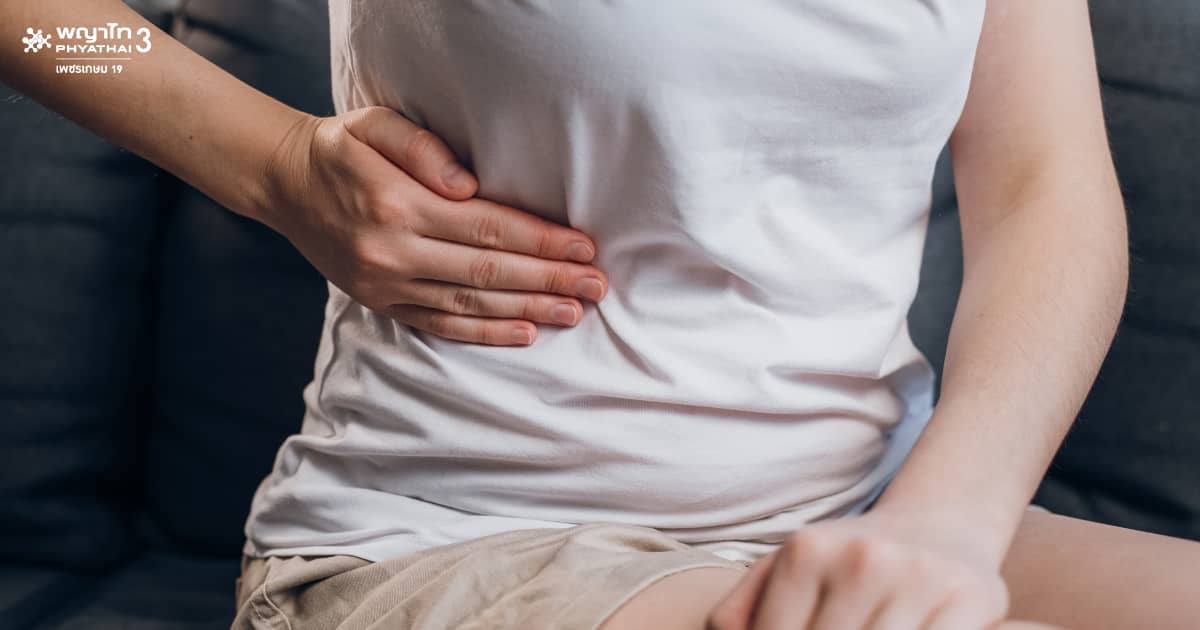
Gallstones and Biliary System is a common condition that can affect health if not properly treated. Let’s understand more about gallstones and the biliary system.
Gallstones
Gallstones are hard lumps that form in the gallbladder, a small organ under the liver that stores bile produced by the liver to help digest fats. Gallstones can be divided into two main types:
- Cholesterol stones: The most common type, caused by high cholesterol in the bile.
- Pigment stones: Caused by high bilirubin in the bile, often found in patients with hemolytic conditions or cirrhosis.
Causes and Risk Factors of Gallstones
- High cholesterol: Having high cholesterol in bile can lead to cholesterol stones.
- Obesity: Increases the risk of gallstones.
- Rapid weight loss: May cause the body to produce more cholesterol.
- Age and gender: Women and the elderly have a higher risk.
- Genetics: A family history of gallstones may increase risk.
Symptoms of Gallstones
Gallstones may be asymptomatic (silent gallstones), but if symptoms occur, they may include:
- Pain in the upper right abdomen, epigastric area, or mid-abdomen, which may radiate to the right shoulder or mid-back.
- Bloating, fullness, excessive gas, often after meals, especially dinner, usually at night. Sometimes severe, requiring sitting in a curled position for more than 20 minutes or hours.
- Nausea and vomiting.
- Jaundice (yellowing of skin and eyes), dark urine, pale stools, hepatitis if stones block the bile ducts.
- Fever, chills, and abdominal tenderness if infection occurs.
Complications
- Cholecystitis: Inflammation of the gallbladder.
- Bile duct obstruction: Stones may move to block the bile duct, causing jaundice or pancreatitis.
- Pancreatitis: Caused by stones blocking the common channel between the bile duct and pancreatic duct.
Diagnosis
- Ultrasound: The primary method to detect gallstones.
- CT scan or MRI: Sometimes used to examine further details, such as combined bile duct stones or inflammation separate from other conditions.
- Detection of bile duct stones found in 10-15% of cases with gallstones, such as blood tests, magnetic resonance cholangiopancreatography (MRCP), intraoperative cholangiogram (IOC), or endoscopic ultrasound (EUS).
- Blood tests: To assess liver function and detect infection.
Treatment
- Cholecystectomy: The main treatment for symptomatic gallstones, which can be performed by open surgery or laparoscopically.
- Medication: In some cases, medications to dissolve stones may be used, but treatment takes a long time and stones may recur.
- Endoscopic retrograde cholangiopancreatography (ERCP): Used when stones block the bile duct or for diagnosis and treatment of other bile duct diseases.
Prevention
- Maintain a normal weight.
- Avoid rapid weight loss.
- Eat a low-fat, high-fiber diet.
- Have an annual upper abdominal ultrasound.
- Monitor for symptoms such as epigastric or right upper abdominal pain, bloating after meals, excessive gas, and abnormal yellowing of skin and eyes.
If you suspect you may have gallstones or biliary system issues, consult a doctor promptly for proper diagnosis and treatment. This can prevent complications, reduce health risks, and lower emergency treatment costs, minimizing complications during unprepared times.
Dr. Benjaporn Nantasanti
Advanced Surgical Interventional Technologies (ASIT) Center
Phyathai 3 Hospital
