Polyps in the colon can be the starting point for colorectal cancer, though they remain in a precancerous stage or early non-invasive stage. Polyps form when the inner lining of the colon is exposed to toxins, particularly from fatty foods over long periods. Coupled with genetic abnormalities, these cells mutate, leading to the formation of small benign tumors. While not cancerous initially, these polyps can grow larger, increasing the risk of turning into cancer, especially as they mutate further.
In early-stage colorectal cancer, the cancer is limited to the tumor’s surface, without spreading to blood vessels or lymph nodes. As it progresses, it becomes invasive carcinoma. Polyps are classified into two types: pedunculated (with a stalk) and sessile (without a stalk)..
Risk factors
The exact cause of colorectal cancer is unclear, but lifestyle changes such as adopting a Western diet (high in sugar, low in fruits and vegetables), stress, and lack of sleep increase the risk. Genetics also play a significant role, with some cancers being passed down through families.
Screening for colorectal cancer
Screening is key in preventing colorectal cancer, and it’s recommended to start at age 50 for both men and women. Methods include:
- Fecal occult blood test (FOBT): Detects hidden blood in the stool, a potential sign of polyps or cancer. Annual testing can reduce mortality from colorectal cancer.
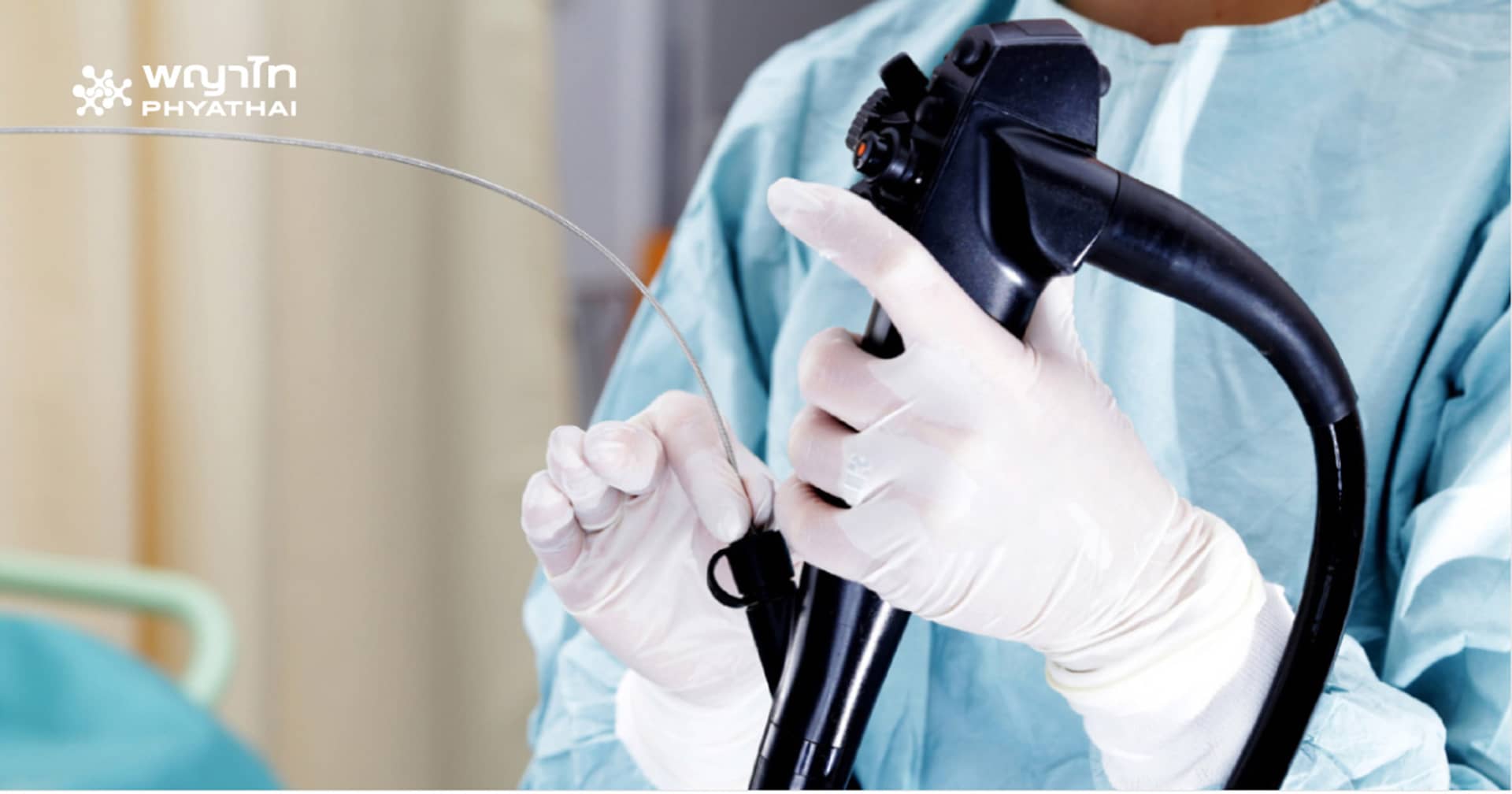
- Colonoscopy: This international gold-standard screening allows for the direct visual examination of the colon. During the procedure, a flexible tube with a camera is inserted through the rectum, allowing doctors to detect and remove polyps.
Who needs a colonoscopy ?
The American Gastroenterological Association recommends that everyone age 50 or older undergo regular colonoscopy screenings. If there’s a family history of colorectal cancer, screenings should begin earlier—10 years before the relative’s diagnosis age.
Benefits of a colonoscopy
A colonoscopy provides detailed images of the colon and allows for the removal of suspicious tissue for biopsy. It’s a highly accurate method of detecting abnormalities, including hemorrhoids, inflammation, polyps, diverticula, and tumors.
Preparing for a colonoscopy
- Eat soft, easy-to-digest foods three days before the exam.
- Avoid fiber-rich foods and take laxatives as prescribed.
- Fast the night before the procedure.
- Have a relative accompany you, as sedatives may be administered.
After the procedure
Patients may feel bloated or discomfort, which usually subsides within a few hours. Most people can resume normal activities shortly after, but those who had polyps removed should avoid heavy lifting and strenuous activity for a week.
By detecting polyps early, a colonoscopy can prevent their progression into cancer, highlighting the importance of regular screenings.
