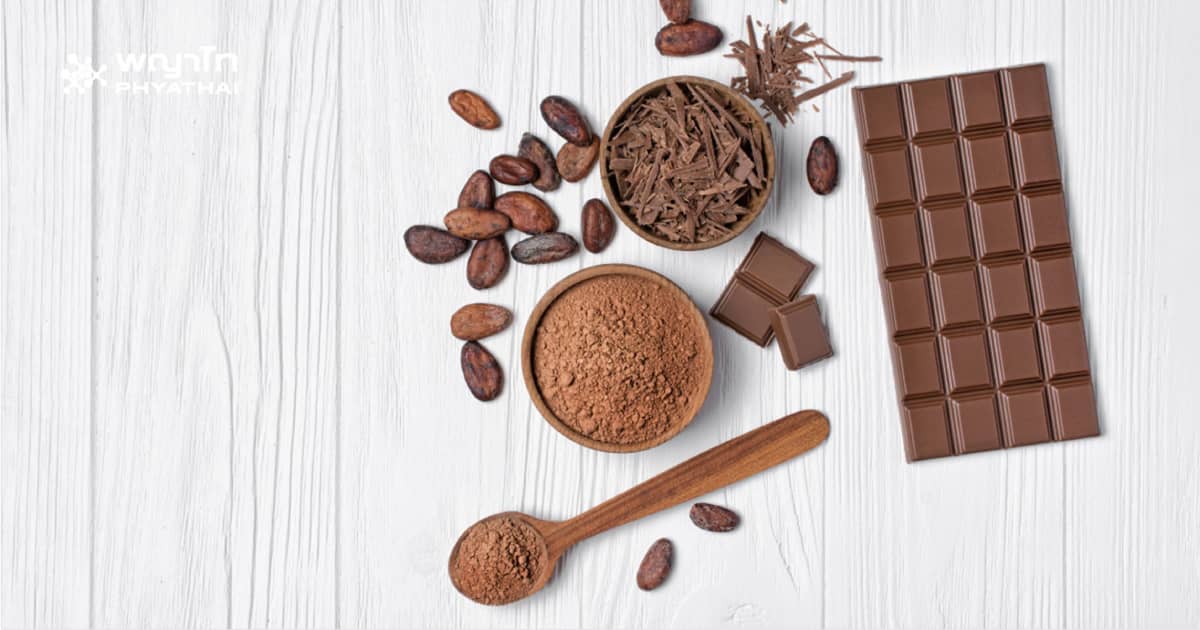
Dark chocolate is a type of concentrated chocolate that contains cocoa liquor, cocoa fat and sugar and possibly vanilla flavoring. It is popularly used as a cooking ingredient. This cocoa contains antioxidants (flavonoids) that help effectively prevent blocked arteries. Dark chocolate contributes to reducing risk of heart failure and aneurisms.
The flavonoids in dark chocolate can prevent arterial obstruction. Flavonoids increase the levels of nitric oxide in the body. Nitric oxide is a gas that relaxes and dilates the blood vessels, which improves circulation and maintains blood pressure levels. As a result, some reports suggest that dark chocolate is effective in lowering blood pressure.
You should consume it in small quantities at a time by no more than about 2 square inches per time, and you should make sure to choose dark chocolate that contains cocoa by more than 70%. Importantly, you should not eat too much of it, since it can cause weight gain, which can affect the cardiovascular system, and this should be accompanied by exercise.
How can you drink cocoa without gaining weight?
You should choose 100% cocoa products whose labels clearly say that they contain no more than 1% of cholesterol. You can drink up to 2-3 cups per day. One tablespoon of cocoa provides about 50 calories of energy. You should also avoid adding a lot of sugar, cream or condensed milk. People with kidney disease should avoid it, because although cocoa contains many beneficial minerals for the body like phosphorus, people with kidney disease cannot properly remove phosphorus from the body. Pregnant mothers should also avoid dark chocolate.
