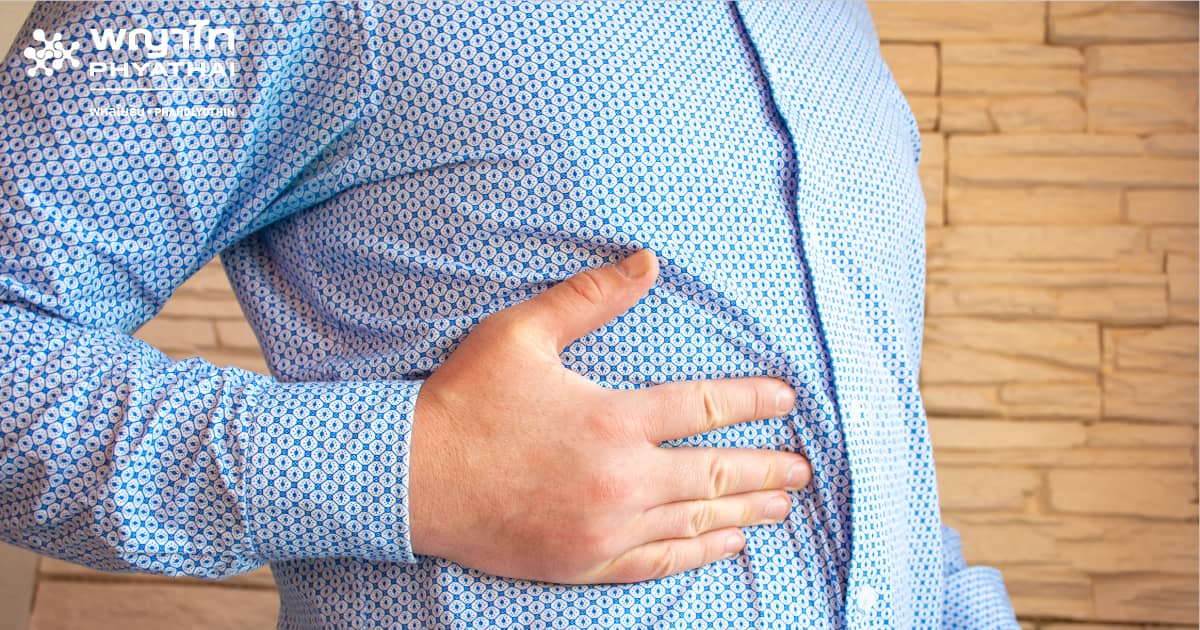
Gallstones are small, round sediment stones, sometimes angular in shape, dark cloudy in color, varying in size from small to large. They result from an imbalance of bile, and these stones can cause various problems for the gallbladder in our body, such as blockage, inflammation, or migrating into the common bile duct, causing irritation and infection. In some patients, it can be severe enough to trigger gallbladder cancer.
Observations include symptoms after eating, especially large meals or fatty foods. Sometimes pain occurs at night, requiring hospital visits for pain relief injections. This is because after eating, the gallbladder contracts to send bile to the intestines. When there are relatively small stones in the gallbladder, these stones can flow to block the cystic duct. When the gallbladder tries to contract to push bile into the intestines, it causes severe pain.
Symptoms of Gallstones
- No symptoms at all, found incidentally during annual physical examinations
- Bloating after eating, indigestion caused by chronic inflammation of the gallbladder stones, which prevents muscle contraction and bile flow, resulting in bloating
- Constant abdominal pain with fever, tenderness on the right side of the abdomen, caused by acute inflammation due to gallbladder enlargement, poor blood supply leading to tissue necrosis, and possibly severe infection
- Fever, abdominal pain, and jaundice caused by small stones migrating into the common bile duct, blocking bile flow, causing jaundice, bacterial growth leading to infection, and bacteria entering the bloodstream
- Pancreatitis due to the shared opening of the bile duct and pancreatic duct into the intestine. Stones can block both systems, causing inflammation of both the gallbladder and pancreas. In some cases, symptoms can be severe enough to cause death
Diagnosis
- Ultrasound is a simple and effective method
- Computed Tomography (CT-SCAN) can accurately locate stones and visualize stones in the bile duct
- Magnetic Resonance Cholangiopancreatography (MRCP) is suitable for viewing the entire bile duct system
What Happens When Gallstones Cause Acute Inflammation
In cases of acute gallbladder inflammation, symptoms appear suddenly. Patients experience severe abdominal pain in the epigastric region or under the right rib cage, with increasing pain accompanied by fever. The cause is a stone blocking the bile duct, requiring urgent medical attention for surgical treatment. The surgical approach depends on the severity to remove the gallstones. Surgery becomes more difficult because the gallbladder is swollen, red, and prone to bleeding, with possible complications such as gallbladder abscess, ischemia with necrosis, gallbladder rupture, abdominal infection, and bloodstream infection, which can be fatal. However, acute gallbladder pain can be prevented by managing gallstones before complications occur.
Benefits of Gallstone Surgery Before Inflammation
Currently, laparoscopic gallstone surgery has become the standard treatment for gallstones. It involves making 3-4 small incisions in the abdomen, about 0.5 cm in three locations and 1 cm at the navel, resulting in less pain, faster recovery, and patients can usually go home within 1-2 days.
Advantages of Laparoscopic Gallbladder Surgery
- Less postoperative pain, small wounds, and easy wound care
- Recovery time is about 1 week, allowing a quick return to normal work
- Lower risk of infection
- When healed, only small scars remain on the abdomen
Risks and Side Effects
- Infection at the surgical wound site
- If bile duct rupture occurs, which is very rare (<1%), because the gallbladder to be removed is adjacent to the bile duct. If separation is unclear, accidental cutting or tearing of the bile duct may occur
- Jaundice after surgery may occur due to bile duct obstruction from retained stones or bile duct rupture. This jaundice may be permanent if the bile duct is severely damaged
How to Prevent Gallstone Inflammation
Gallbladder inflammation cannot be completely prevented, but we can prevent gallstones, which are the cause of the disease, to reduce the risk of gallbladder inflammation. The best way to diagnose gallstones is by performing an upper abdominal ultrasound and consulting a doctor to plan further treatment if stones are detected.
