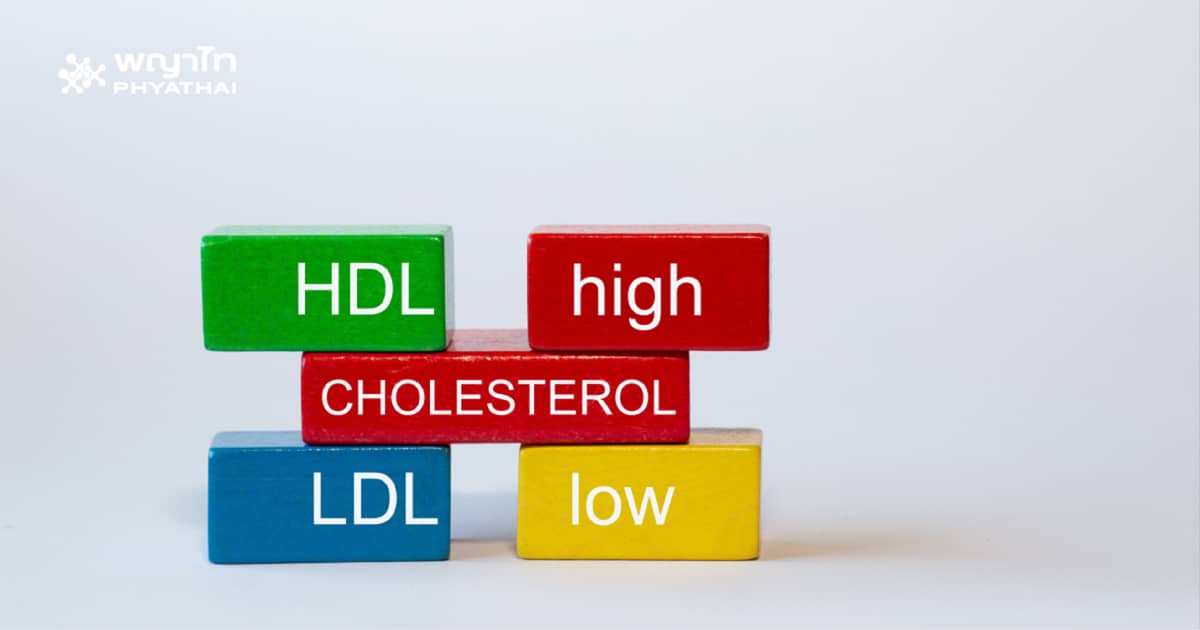
High blood lipid levels or hyperlipidemia can be a contributing factor to many diseases and health conditions, particularly atherosclerosis, which can affect critical blood vessels, including those surrounding the heart. Consequently, individuals with hyperlipidemia face an increased risk of experiencing ischemic heart disease, cerebral ischemia, and conditions leading to paralysis.
Varieties of Fat Present in the Bloodstream
Cholesterol is a type of fat that the body can synthesize internally, primarily within the liver and intestines, or it can be acquired through dietary intake. Notably, plant-based foods are devoid of cholesterol, while it is prevalent in animal fats. The quantity of cholesterol in our system is contingent on dietary choices. Cholesterol plays a vital role in the body, as it constitutes a key component of various cells, particularly those in the brain. However, excessive cholesterol can be detrimental. Excess fat accumulates within the arterial walls throughout the body, including the cerebral and coronary arteries. This accumulation leads to arterial hardening and the narrowing of blood vessels, a process whose pace is influenced by factors such as the cholesterol level and the presence of other risk factors like high blood pressure, elevated blood fat levels, diabetes, smoking, obesity, and sedentary lifestyles. In the realm of cholesterol measurement, a normal range for total cholesterol is typically set at less than 200 mg/dL, while triglycerides should ideally be less than 170 mg/dL. The “good” fat, known as high-density lipoprotein (HDL), aids in removing excess cholesterol from the body’s cells and transporting it to the liver for disposal; an optimal level is greater than 60 mg/dL. Conversely, “bad” cholesterol, low-density lipoprotein (LDL), should ideally be maintained below 130 mg/dL. It’s important to note that total cholesterol can be further categorized into two distinct types.
High-Density Lipoprotein (HDL) is a type of fat characterized by its high density. Its primary role is to transport excess cholesterol fat to the liver for disposal. Having elevated levels of HDL can significantly reduce the risk of developing atherosclerosis. Achieving high levels of HDL is attainable only through regular exercise.
Low-Density Lipoprotein (LDL) is a type of fat primarily sourced from animal fats. Elevated levels of this fat can lead to its accumulation on the walls of arteries, resulting in narrowing and impeding proper blood flow. Additionally, this process causes a loss of elasticity in the blood vessels. Consequently, individuals with high LDL levels face a significantly heightened risk of developing coronary artery disease.
Triglycerides, a form of fat, are synthesized by the body from sugars and starches, or they can be acquired from the foods we consume. They play a pivotal role in nutrition, providing energy, aiding in the absorption of fat-soluble vitamins such as A, D, E, and K, and contributing to prolonged satiety. Furthermore, the body stores triglycerides to serve as an energy reservoir when needed. Elevated blood triglyceride levels, particularly when accompanied by high cholesterol, are associated with an increased risk of coronary heart disease. Ideally, the normal blood triglyceride level should not exceed 150 milligrams per deciliter (with the accepted range typically between 50-150 mg/dL)
- Causes of hyperlipidemia
- Genetics
- Consuming a diet rich in fats, particularly those derived from animal sources.
- Endocrine disorders, including diabetes, thyroid conditions, and specific adrenal gland disorders.
- Liver disorders and certain kidney conditions.
- Some medications, including steroids and sex hormones such as birth control pills.
- Pregnancy
- Consuming alcohol
- Lack of exercise
Adverse Effects of Elevated Blood Lipids
Elevated levels of LDL cholesterol are recognized as one of the risk factors contributing to coronary heart disease, which can result in conditions like ischemic heart disease and stroke-induced paralysis. The buildup of excessive fat in the blood can lead to the hardening of the aorta, a condition referred to as arteriosclerosis, and its more specific form, atherosclerosis.
Individuals Who Should Monitor Their Blood Lipid Levels
Individuals aged 35 and above, with no other risk factors for coronary artery disease such as diabetes, high blood pressure, smoking, and age not exceeding 45 for men or 55 for women, and no family history of early-onset coronary heart disease (men under 55 and women under 65), and no prior cardiovascular or cerebrovascular issues, should undergo lipid level testing. If the results are within the normal range, a follow-up test should be scheduled in five years. However, if any of the aforementioned risk factors are present, and normal lipid levels are observed, it is advisable to repeat the test every 1-3 years.
Precautions to Take When Blood Fat Levels Are Elevated
- Regulate consumption of high-cholesterol foods, including animal fats, organ meats, egg yolks, seafood, and coconut-based dishes. If you have elevated triglyceride levels, exercise caution with starchy foods, sugars, and overly sweet beverages, as well as very sugary fruits.
- Include lean meats, fish, and skim milk in your diet.
- Refrain from alcohol consumption, particularly beer, as it can lead to fat accumulation in tissues.
- Avoid dishes prepared with oil, particularly fried foods, and opt for vegetable oils like soybean oil, corn oil, and sunflower oil, rich in linoleic acid. These oils aid in cholesterol metabolism, reducing the absorption of fat into the body.
- Add a variety of leafy vegetables and fiber-rich fruits to your diet, such as kale, guava, oranges, and basil seeds. These foods are excellent sources of dietary fiber, aiding in reducing fat absorption in the body.
- Regular exercise is effective in lowering blood fat levels and increasing HDL. Aim for consistent, engagement in physical activity, 3 – 4 times a week, with each session lasting 20 – 30 minutes. Beneficial exercises include brisk walking, jogging, dancing, and cycling.
- Abstain from smoking, as it has the detrimental effect of reducing HDL levels in the bloodstream. Smoking is a recognized risk factor for ischemic heart disease
- Consult with a healthcare professional and maintain regular follow-ups. In certain cases, medication may be necessary to regulate high blood lipid levels, as recommended by the doctor, who will also monitor the progress of the treatment.
