Menstruation or Period is blood and various tissues that shed from the lining of the uterine cavity or endometrium. It is caused by changes in female sex hormone levels and is linked to ovulation. The shedding of the uterine lining occurs approximately once a month, hence it is called menstruation.
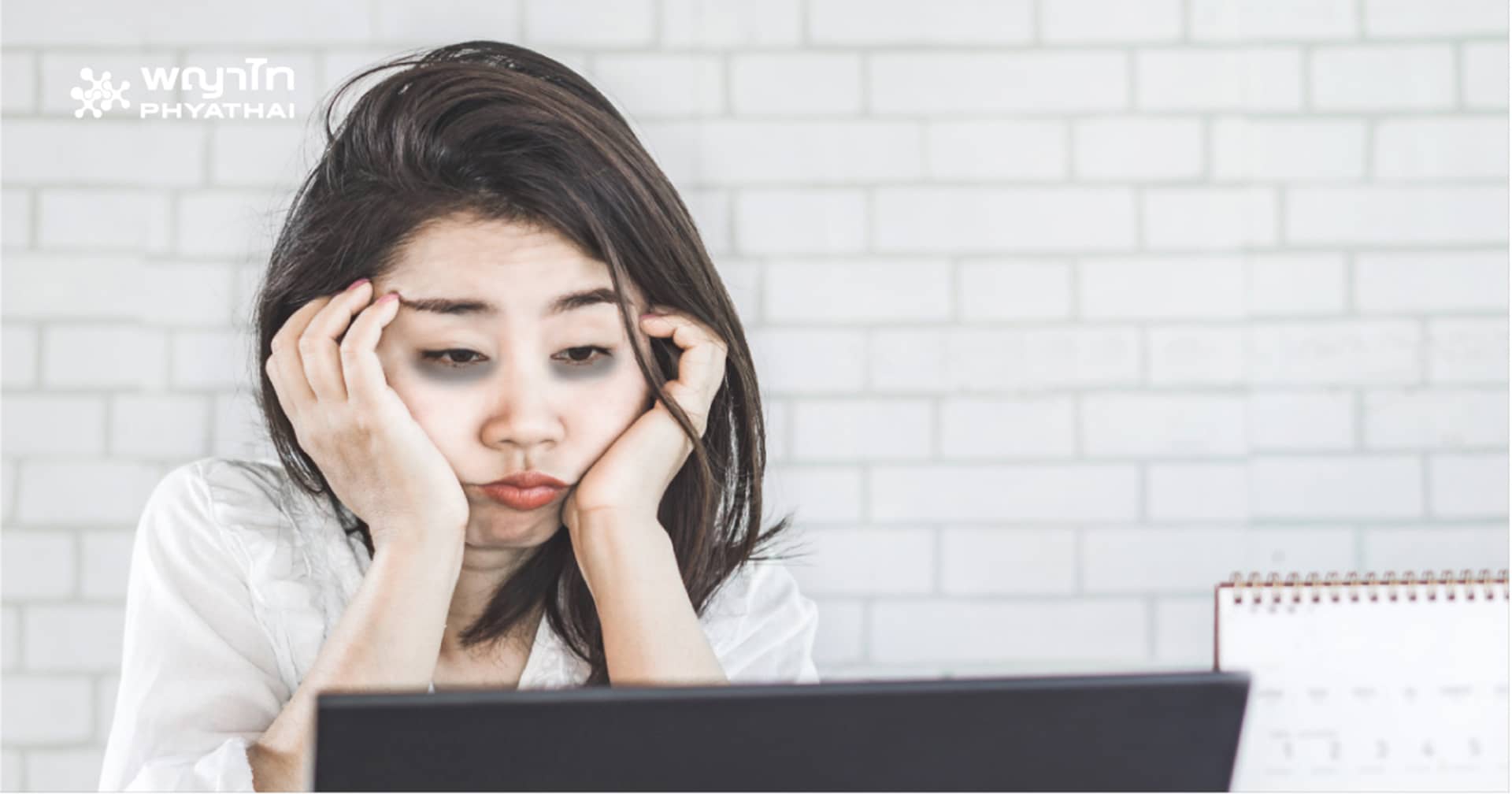
During menstruation, many women may not feel abdominal pain, but some may experience mild menstrual cramps that cause discomfort. This may be due to the body’s health not being in optimal condition at that time or accumulated stress and insufficient rest, such as during exam periods or when overwhelmed with work and unable to sleep. This causes abnormal levels of sex hormones in the body, commonly found in women of reproductive age under 35 years old. What women should know is that “stress” affects the production of estrogen, causing it to decrease. When estrogen decreases, ovarian function becomes unbalanced, manifested by pain in the lower abdomen. The more stress, the more pain experienced. Some may have irregular periods, sometimes skipping months, mood swings, irritability, and easy anger, similar to symptoms of menopause, which is believed to be undesirable for women.
Therefore, it is advisable to relax and manage stress or find activities to relieve stress. Also, maintain a regular sleep schedule and avoid staying up too late, as both directly affect your menstrual cycle. However, if the pain is severe, you should see a doctor to find the cause, as it may be a sign of a hidden serious illness. Ways to help prevent menstrual pain include:
- Eat a balanced diet with all five food groups and avoid foods high in carbohydrates and fats.
- Avoid coffee, cigarettes, and alcohol.
- Exercise appropriately without overexertion, as excessive exercise can cause loss of certain minerals, leading to fatigue and more muscle soreness than usual.
- Get enough sleep, at least 7-8 hours.
