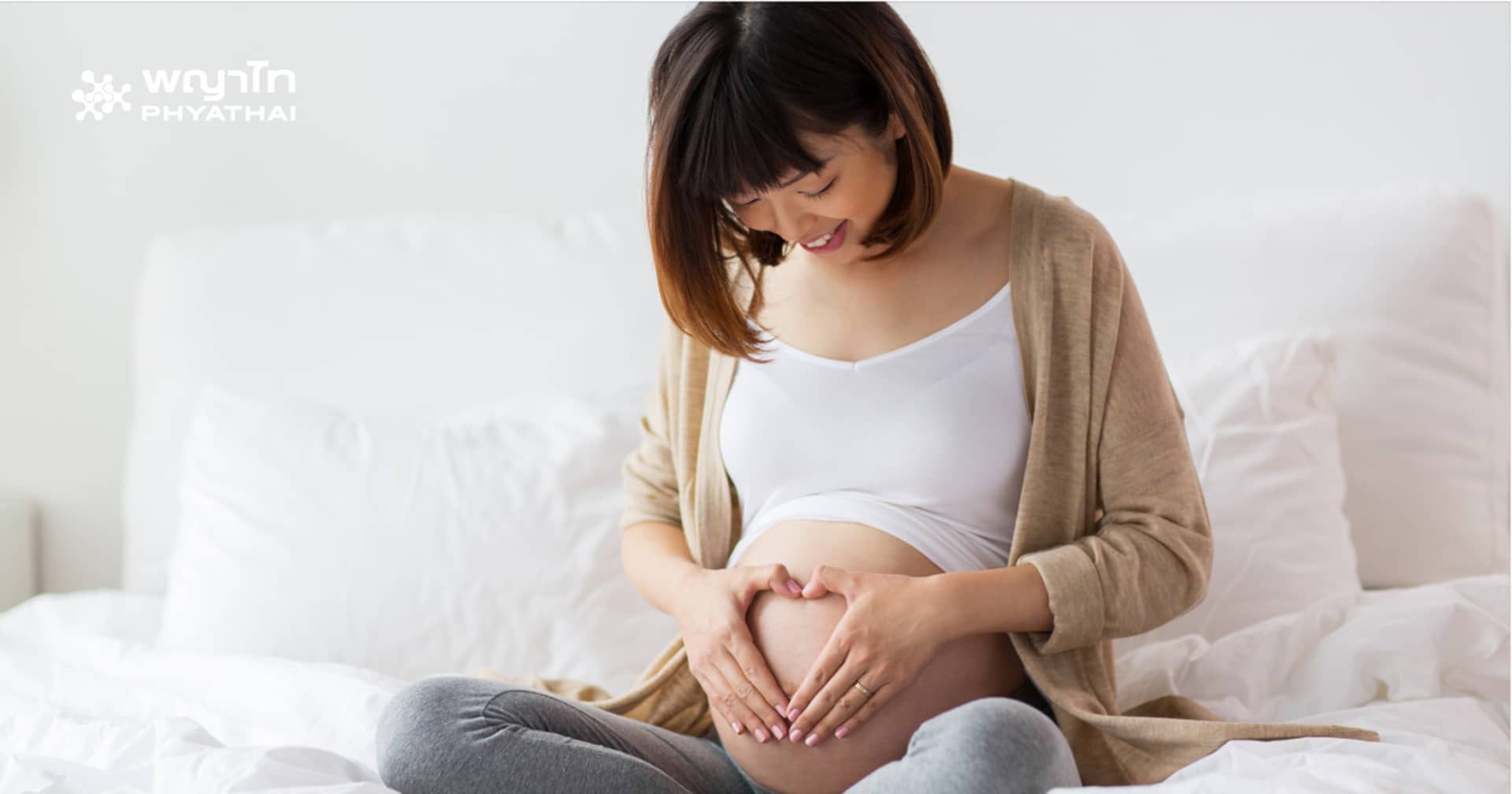
Natural birth (Normal labour)
Benefits for the mother:
- Faster recovery after childbirth compared to a cesarean section.
- Less blood loss during delivery.
- Smaller scar.
- Lower incidence of placenta previa and placenta accreta in subsequent pregnancies.
- Reduced risk of pelvic adhesions.
Benefits for the baby:
- The baby’s chest is compressed during natural delivery, helping to expel amniotic fluid from the lungs more effectively.
- Babies born through natural delivery ingest maternal vaginal secretions rich in beneficial bacteria (Probiotics), which can stimulate the baby’s immune system.
Postpartum care after natural delivery:
- After delivery, there may be dizziness or fainting; it is recommended to rest for at least 3-4 hours before getting up, sitting, or walking.
- Perineal stitches should be cleaned regularly, and normal hygiene practices can be followed.
- In the first few days, postpartum discharge will appear as fresh mucus, then transition to old blood, and gradually lighten until it becomes clear within two weeks. If red discharge persists beyond two weeks, consult a doctor, as it could indicate inflammation or retained placenta fragments.
- Pain at the perineal stitches from cutting and stitching may occur.
- A balanced diet with all five food groups and fiber-rich fruits should be consumed to prevent constipation.
- Breastfeeding should begin as soon as possible.
- Sexual activity should be avoided for about six weeks or until postpartum discharge has stopped.
- A postpartum check-up is recommended at six weeks to screen for cervical cancer and plan for family planning.
Cesarean section (C-section)
A cesarean section is usually performed when natural childbirth is not possible or might be dangerous for the mother or baby. The baby is delivered through an incision in the abdomen and uterine wall. It is often done in emergency situations to quickly deliver the baby due to critical conditions like umbilical cord prolapse, fetal distress, maternal hypertension, severe preeclampsia, restricted fetal growth, very low amniotic fluid, or breech presentation. It is also common in cases of multiple pregnancies, large babies, disproportion between the baby’s head and the mother’s pelvis, placenta previa, placental abruption, severe bleeding before term, or when there are obstructions in the birth canal such as tumors, cancer, or infections.
When is a cesarean section necessary ?
- Narrow pelvis: The mother’s pelvic size is too small for the baby to pass through, common in smaller mothers with larger babies.
- Breech presentation: The baby’s head does not lead, or the baby is lying crosswise, making natural birth risky as it could cause injury.
- Fetal distress: The baby is lacking oxygen or has an abnormal heart rate.
- Placenta previa: The placenta is positioned low, covering the cervix, which must open for the baby to pass through, thus preventing natural birth.
- Tumors: Tumors in the lower part of the uterus obstruct the birth canal.
- Multiple pregnancies: Natural birth is less common because after one twin is delivered, the other may roll and change position, increasing risk. A C-section is safer.
How many cesarean sections can be done safely ? Multiple C-sections are possible, but the risk increases after the third surgery. Each surgery causes internal adhesions, which can pull nearby organs closer to the uterus during subsequent surgeries, increasing the risk of injury to adjacent organs like the bladder and digestive system.
If the first delivery is a cesarean section, must the next one be too ?
Yes, subsequent pregnancies often require a C-section due to the uterine scar from the previous surgery. As the uterus expands and contracts in future pregnancies, its elasticity decreases, making it more likely to tear. The risk of uterine rupture is about 1%, so natural birth is not recommended for mothers who have had a C-section.
Postpartum care after a cesarean section:
- Avoid food and drink for about 12-24 hours after the surgery. Gradually resume intake with water, liquid foods, and soft foods, and stop IV fluids.
- Pain relief medication is provided for the first 24 hours.
- The urinary catheter can be removed within the first 12-24 hours.
- Breastfeeding can begin on the first day after surgery.
- You can start sitting up and walking nearby as early as possible to promote bowel movement, reduce bloating, prevent abdominal adhesions, and avoid blood clots.
- The surgical wound should be kept dry for about 7 days. If dissolvable stitches are used, no removal is needed; otherwise, stitches should be removed after 7 days.
- Discharge from the hospital is possible within 3-4 days after the C-section.
- Postpartum discharge will initially appear as fresh blood, then gradually change to a lighter color mixed with mucus, and should stop within 4-6 weeks. If red discharge persists beyond 6 weeks, it could indicate inflammation or retained tissue. Other warning signs like fever, fluid or blood leaking from the incision, increasing pain, redness, or pus at the incision site should prompt a visit to the doctor.
- Sexual activity should be avoided for about six weeks or until postpartum discharge has stopped.
- A postpartum check-up is recommended at six weeks to screen for cervical cancer and plan for family planning.
