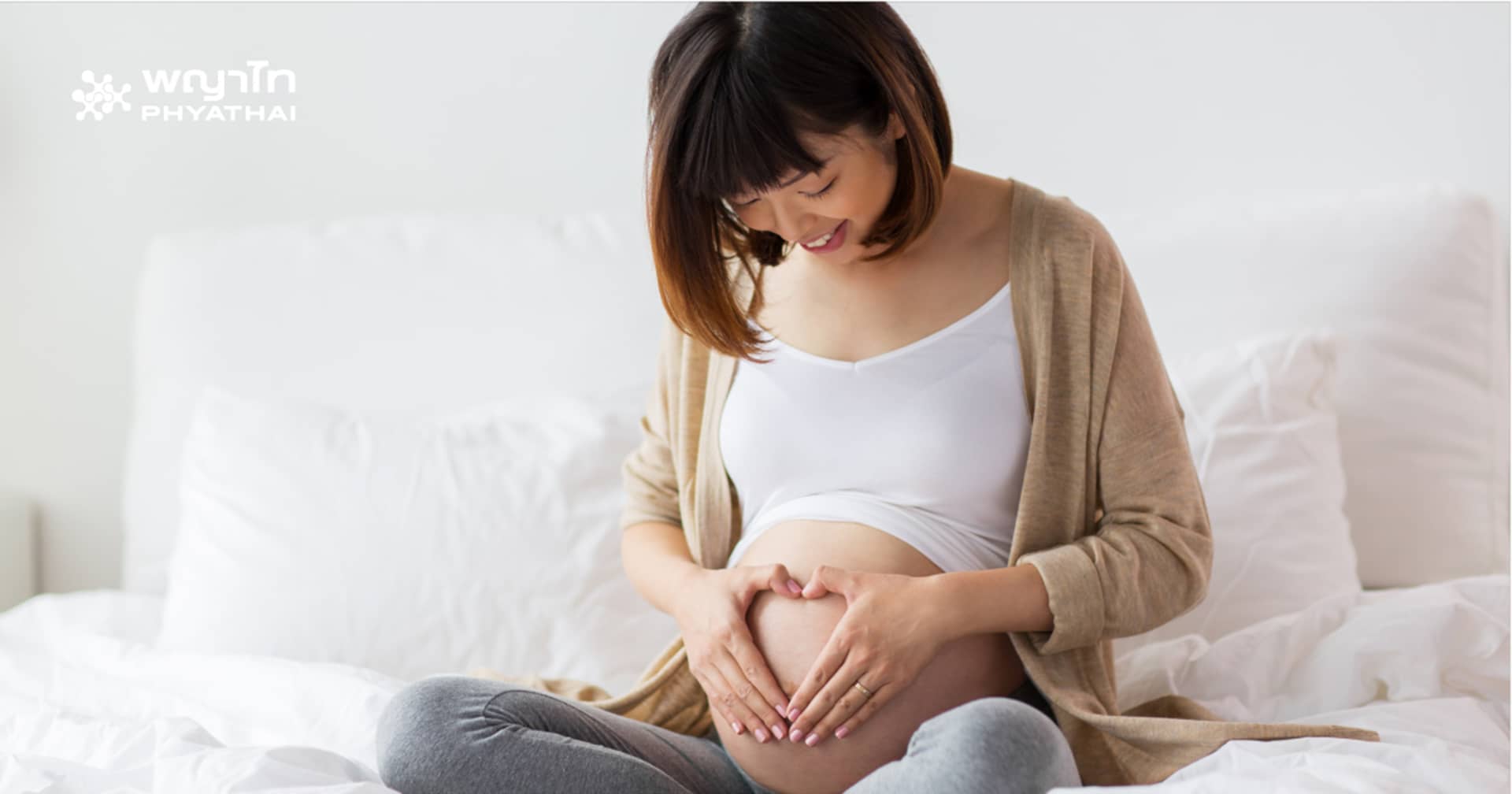
Normal Labour
Benefits for Mothers
- Faster recovery after delivery compared to cesarean section
- Lower risk of blood loss during delivery
- Smaller wound size
- Lower incidence of placenta accreta and deep placental attachment in subsequent pregnancies
- Reduced risk of pelvic adhesions
Benefits for Babies
- The baby’s chest is compressed, helping to expel amniotic fluid from the lungs more effectively
- Babies born naturally swallow vaginal secretions rich in good bacteria (Probiotics), which stimulate their immune system
Postpartum Care for Natural Delivery
- After delivery, you may feel dizzy or faint; rest for at least 3-4 hours before standing, sitting, or walking
- Take care of and clean the perineal wound as usual
- Lochia care: In the first days, lochia appears as fresh mucus, then changes to old blood, gradually fading to clear lochia. It should stop within 2 weeks. If red lochia persists after 2 weeks, consult a doctor as it may indicate infection or retained placental tissue in the uterus
- You may experience pain at the perineal wound from cutting and stitching
- Eat a balanced diet with all five food groups and fiber-rich fruits to prevent constipation
- Breastfeed your baby as soon as possible
- Avoid sexual intercourse for about 6 weeks or until lochia stops
- See a doctor for a postpartum check-up at 6 weeks to screen for cervical cancer and discuss family planning
Cesarean Section
Cesarean section is usually performed when the mother cannot deliver naturally or when natural delivery may pose risks to the mother or baby. The baby is delivered through an incision in the abdomen and uterine wall during a gestational age when the baby can survive. Emergency cesarean is done to deliver the baby as quickly as possible in critical situations such as umbilical cord prolapse, fetal distress, severe maternal hypertension or preeclampsia, fetal growth restriction with very low amniotic fluid, abnormal presentation (breech or transverse lie), twin pregnancy, large baby, disproportion between fetal head and pelvis, placenta previa, premature placental abruption, severe antepartum hemorrhage, or vaginal obstruction such as tumors, cancer, or infections.
When is Cesarean Section Necessary?
- Narrow pelvis: when the mother’s pelvic size is too small for the baby, often in small mothers with large babies, making natural delivery impossible
- Malpresentation: the baby is not head-down, such as breech or transverse lie, which can cause injury during natural delivery
- Fetal oxygen deprivation or abnormal heart rate
- Placenta previa: the placenta covers the cervix, blocking the birth canal, preventing natural delivery
- Tumors obstructing the birth canal: tumors in the lower uterus block vaginal delivery
- Twin pregnancy: natural delivery is not preferred because after one baby is born, the other may turn or flip inside the uterus, risking injury; cesarean is safer
How Many Cesarean Sections Are Safe?
Cesarean sections can be performed multiple times, but after the third time, the risk of complications increases. Each surgery causes internal scar tissue (adhesions) that pull nearby organs closer to the uterus, increasing the risk of injury to adjacent organs during surgery. Organs at risk include the bladder and digestive tract.
If the First Delivery Was Cesarean, Must the Next Be Cesarean?
If the mother had a cesarean section for the first delivery, the next pregnancy usually requires cesarean as well. This is because the uterine scar reduces the uterus’s elasticity during expansion and contractions, increasing the risk of uterine rupture by about 1%. Therefore, natural delivery is not a suitable option for mothers with previous cesarean sections.
Postoperative Care After Cesarean Section
- Fasting from food and water for about 12-24 hours after surgery; the next day, you can drink water and eat soft, light foods, then gradually return to a normal diet. Intravenous fluids will be stopped accordingly
- Pain medication is given during the first 24 hours after surgery
- Urinary catheter can be removed within 12-24 hours
- Breastfeeding can start on the first day after surgery
- Change positions by sitting and walking nearby as soon as possible to help bowel function return quickly, reduce bloating, prevent abdominal adhesions, and lower the risk of blood clots
- Keep the surgical wound dry for about 7 days. If dissolvable stitches are used, no need to remove them; if regular stitches are used, remove them after 7 days
- You can go home within 3-4 days after surgery
- Lochia initially appears as fresh blood in mucus, then changes to lighter blood mixed with lochia, and should stop within 4-6 weeks. If red lochia persists after 6 weeks, there may be infection or retained tissue in the uterus. If you have fever, discharge or bleeding from the wound, increased pain, swelling, redness, or pus, consult a doctor
- Avoid sexual intercourse for about 6 weeks or until lochia stops
- See a doctor for a postpartum check-up at 6 weeks to screen for cervical cancer and discuss family planning

