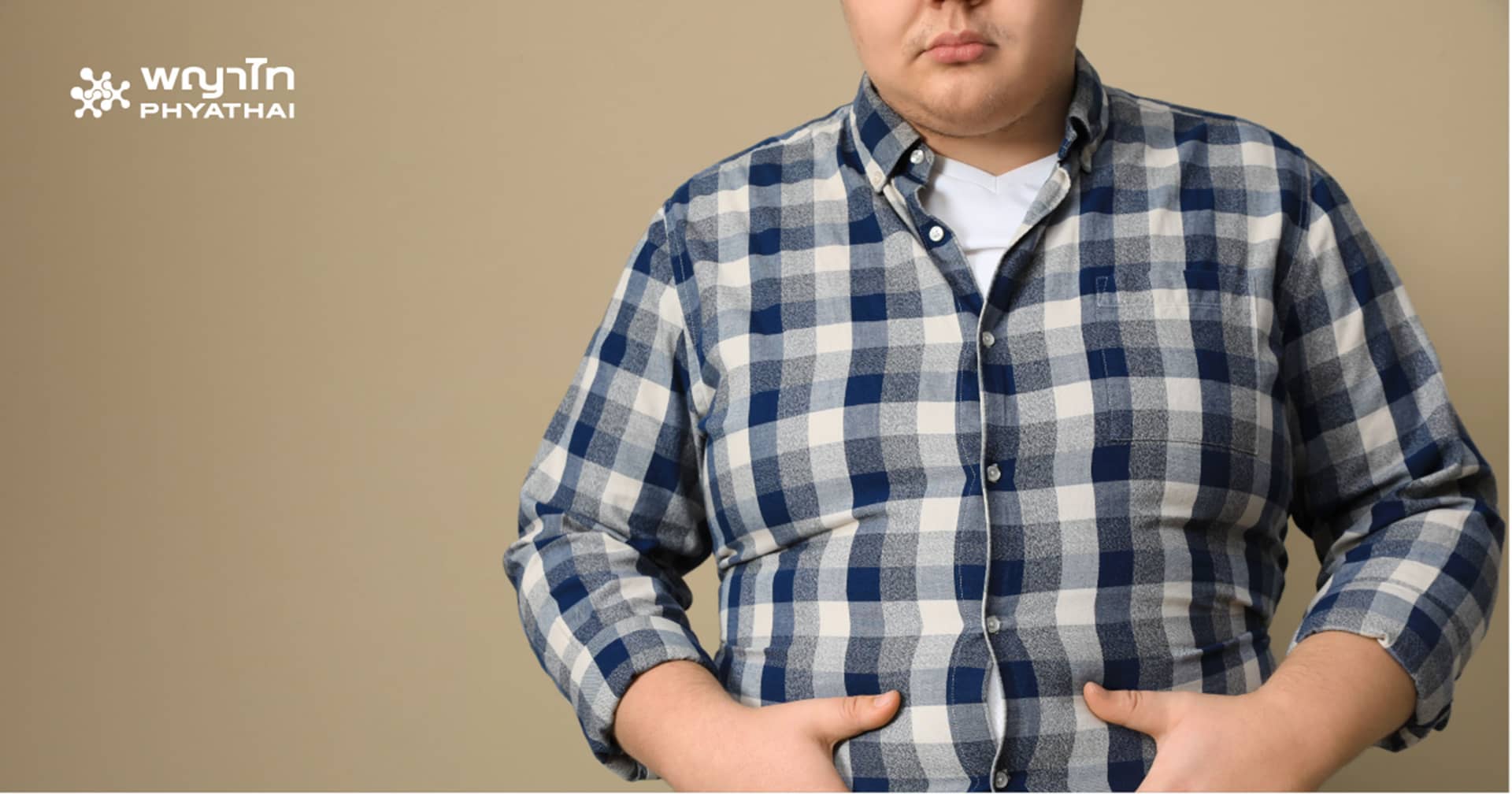
“I am overweight because I can’t stop eating” If this is the root cause of your obesity, and you have tried various weight loss methods without success, you should get to know weight loss through Sleeve Gastrectomy. It is better than risking yourself with incorrect or cheap weight loss methods, or just letting yourself remain obese, which is not good because research published in the New England Journal of Medicine indicates that obesity causes premature death worldwide from complications, up to 4 million people per year.
Weight loss surgery is not scary
In Thailand, obesity is a major problem, with more than 20.8 million Thais being overweight or obese, but less than 1% have access to treatment. “Obesity not only prevents normal life due to chronic diseases such as diabetes, hypertension, kidney disease, sleep apnea, but is also associated with risks of breast cancer, colorectal cancer, and gallbladder cancer. If we solve the root cause by losing weight, we do not have to risk other obesity-related diseases or cancers.” People who are severely obese or have a body mass index over 45 are also associated with a shorter life expectancy by about 7 – 8 years on average.
With the development of current weight loss surgery technology, including advanced equipment and skilled doctors, this surgery is no longer scary. It is also very safe with a complication rate of less than 1%.
How does Sleeve Gastrectomy help with weight loss?
The most popular method for weight loss surgery today is Sleeve Gastrectomy, or simply called Sleeve. “Doctors perform the surgery laparoscopically by making about 4 – 5 small incisions to reduce the stomach size from about 1,000 cc to approximately 150 cc using a special stapling device that can cut and staple the stomach simultaneously. The doctor checks the suitability of the stomach size and shape before closing with dissolvable stitches. Patients can recover in the hospital within 1 – 2 days and then continue recovery at home. After surgery, patients eat less and feel full without the suffering of normal dieting because after surgery, the hunger hormone (Ghrelin) decreases. Additionally, satiety hormones (GLP1, PYY) are stimulated to be secreted more.”
Weight loss surgery vs. tummy tuck or liposuction
Tummy tuck surgery is not the same treatment approach as weight loss surgery. It addresses one problem after weight loss surgery, which is excess sagging skin in some patients who have lost a lot of weight. Plastic surgery is used to help in these cases. Tummy tuck surgery involves reshaping and removing fat from the outer layer but does not solve the root cause of obesity or correct hunger hormones. In contrast, the principle of obesity surgery is to treat comorbidities related to obesity such as diabetes, hypertension, sleep apnea, and fatty liver. Moreover, weight loss surgery helps reduce the risk of breast cancer, colorectal cancer, stomach cancer, and gallbladder cancer in the future.
How to take care of yourself safely before and after surgery
Before surgery, doctors will provide advice and perform necessary physical examinations to assess the patient’s health before surgery, including using ultrasound to check for fatty liver or gallstones. Once all examinations are complete, surgery can be scheduled. After sleeve surgery, which reduces stomach size, doctors will initially prescribe vitamin supplements. Follow-up appointments will be scheduled to check vitamin levels and monitor regularly for about 1 – 2 years to observe weight and eating behaviors to ensure the most effective weight loss after surgery.
Recommendations when stomach capacity is reduced
- The stomach capacity is smaller, so it is important to consume more protein, about 60 – 80 grams per day, to build muscle strength and aid faster recovery. Eating enough protein does not cause weight gain.
- Since food intake is reduced, water intake or meals should be divided into small portions to ensure the body receives 1.5 – 2 liters of water per day, equivalent to a normal person. After about 4 weeks, eating habits can be adjusted to near normal.
There are four main methods of weight loss: diet and exercise control, medication, endoscopic balloon treatment, and finally surgery. Current medical evidence shows that surgery can help reduce weight significantly and has research support for over 10 years. If you have tried other methods without success, considering surgery as an option may not be a bad idea.
